
A unique situation that will devastate South Florida's economy!
By Philip Cardella January 30, 2026
South Florida
If you've been following this newsletter you know that Temporary Protected Status (TPS) for Haitians ends next week on February 3, 2026. This may seem like just another immigration story in the United States, but it is not–it is worse than it seems for several reasons, though it bodes ill for other groups that presently have TPS. Please, if you read any of these newsletters, read this one.
Questions this post will try to answer: What is TPS? Why do Haitian immigrants have it? Why will TPS ending for Haitians hit South Florida especially hard? What will TPS ending for Haitians mean and why shouldn't it be ended in 2026? What is South Florida doing about it? What other countries are facing TPS ending? What can we do about it?
What is TPS?
Per the American Immigration Council "Congress created Temporary Protected Status (TPS) in the Immigration Act of 1990. It is a temporary immigration status provided to nationals of specifically designated countries that are confronting an ongoing armed conflict, environmental disaster, or extraordinary and temporary conditions. It provides a work permit and protection from deportation to foreign nationals from those countries who are in the United States at the time the U.S. government makes the designation."
They go on to say what specific reasons can lead to TPS status for immigrants:
A country may be designated for TPS for one or more of the following reasons:
An ongoing armed conflict, such as a civil war, that poses a serious threat to the personal safety of returning nationals;
An environmental disaster, such as an earthquake, hurricane, or epidemic, that results in a substantial but temporary disruption of living conditions, and because of which the foreign state is temporarily unable to adequately handle the return of its nationals; or
Extraordinary and temporary conditions in the foreign state that prevent its nationals from returning to the state in safety (unless the U.S. government finds that permitting these nationals to remain temporarily in the United States is contrary to the U.S. national interest).
Vitally important to understanding why TPS is so important and why ending it for Haitians will devastate South Florida's economy is understanding the benefits of TPS. Again, from the American Immigration Council link above: "An individual who is eligible for TPS must register by submitting an application to USCIS, an agency of the Department of Homeland Security (DHS). If a person demonstrates eligibility and USCIS grants TPS, that person receives temporary protection from deportation and temporary authorization to work in the United States."
The last sentence is key; people with TPS are eligible to not only reside in the United States, but work in the United States and hundreds of thousands of Haitians do just that.
Why TPS shouldn't end for Haitians in 2026
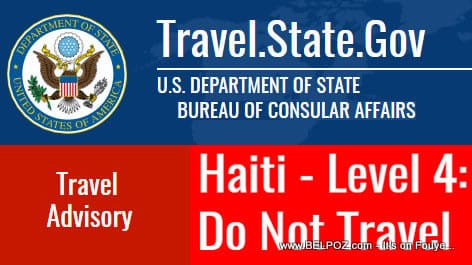
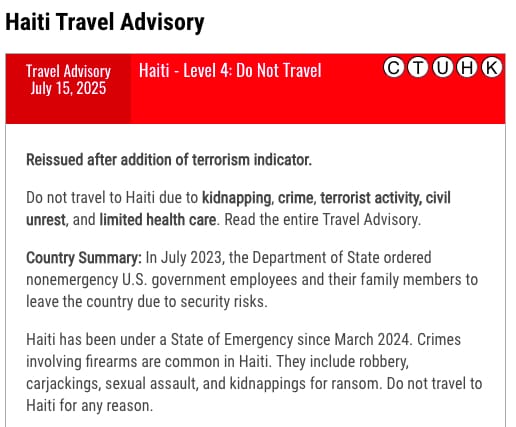
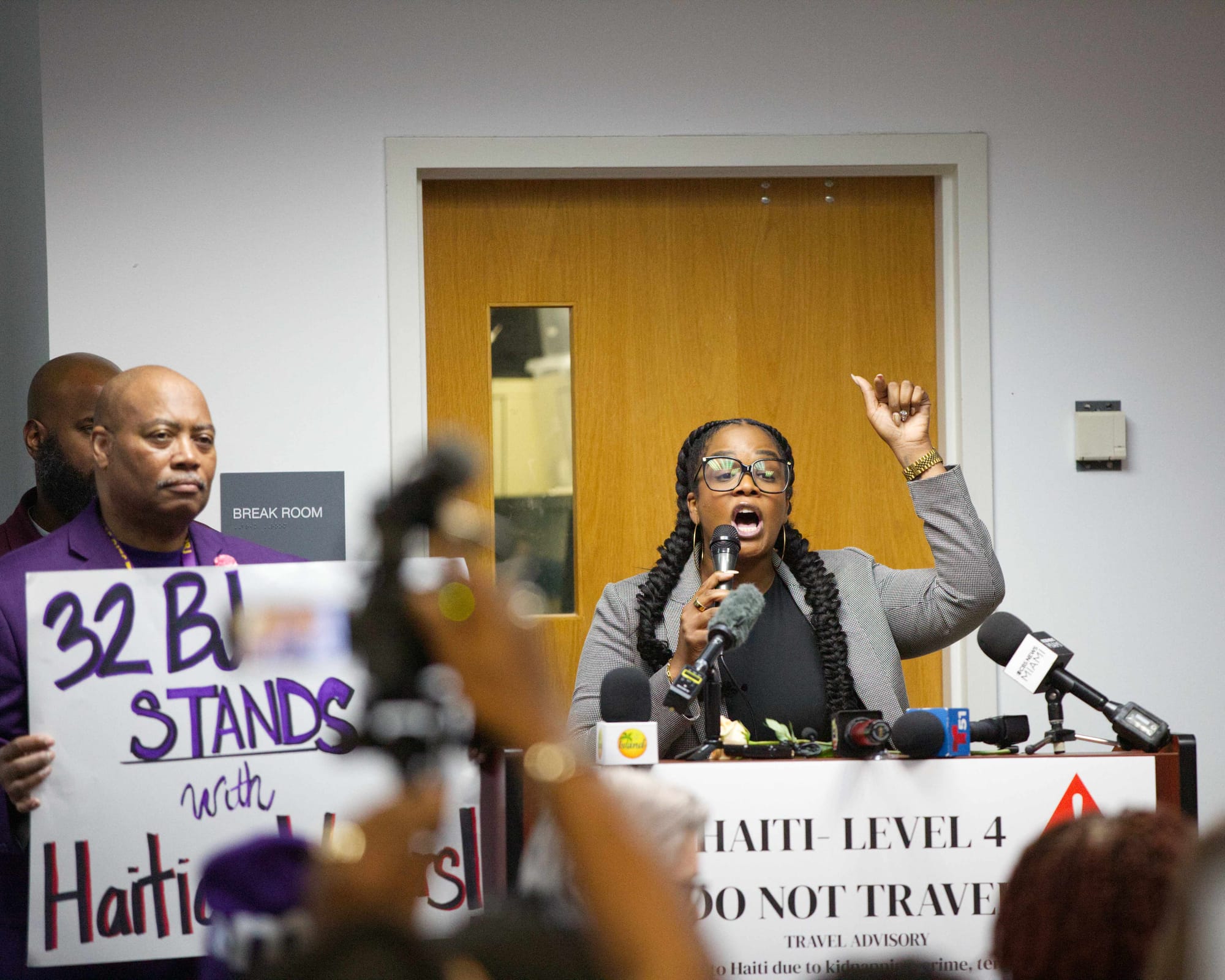
Haiti is, simply put, too dangerous for Americans to travel to under any circumstances. Gangs control 90% of the capital city of Port au Prince and the State Department warns Americans to avoid Haiti at all costs due to "kidnapping, crime, terrorist activity, civil unrest and limited health care," as well as "robbery, carjackings, sexual assault, and kidnappings for ransom. Do not travel to Haiti for any reason."
If Haiti is too dangerous "to travel to for any reason" then it meets the qualifications for Temporary Protected Status for Haitians, as outlined above. It's that simple. Congresswoman Debbie Wasserman Shultz, who represents Florida's 25th Congressional District which covers much of Ft. Lauderdale put it plainly at the press conference at the airport there on Wednesday.
"How is it possible for the Department of Homeland Security under Donald Trump and Kristi Noem for them to suggest that conditions have improved enough for TPS to be revoked and for Haitians to return to their country?" the congresswoman rhetorically asked the crowd gathered for the press conference.
"That is absolutely not possible, it is unacceptable that we would send people that have helped make sure that our country can grown and thrive, who have US citizen children, who run small businesses who have been contributing members of our society, how can we send them back?"
Walking out from behind the dais to point to the poster taped to its front with the State Department's warning about avoiding travel to Haiti, she continued, "To danger, to violence, to sexual assault and kidnapping for ransom? Is that an acceptable situation for anyone we care about?"
It is not only inhumane to send Haitians back to Haiti, it is immoral and illegal under US and international law.
Rep. Rep. Sheila Cherfilus-McCormick suggested that if we feel the need to send Haitians back, that should be delayed until Haiti is safer and the jobs these people presently hold be filled.
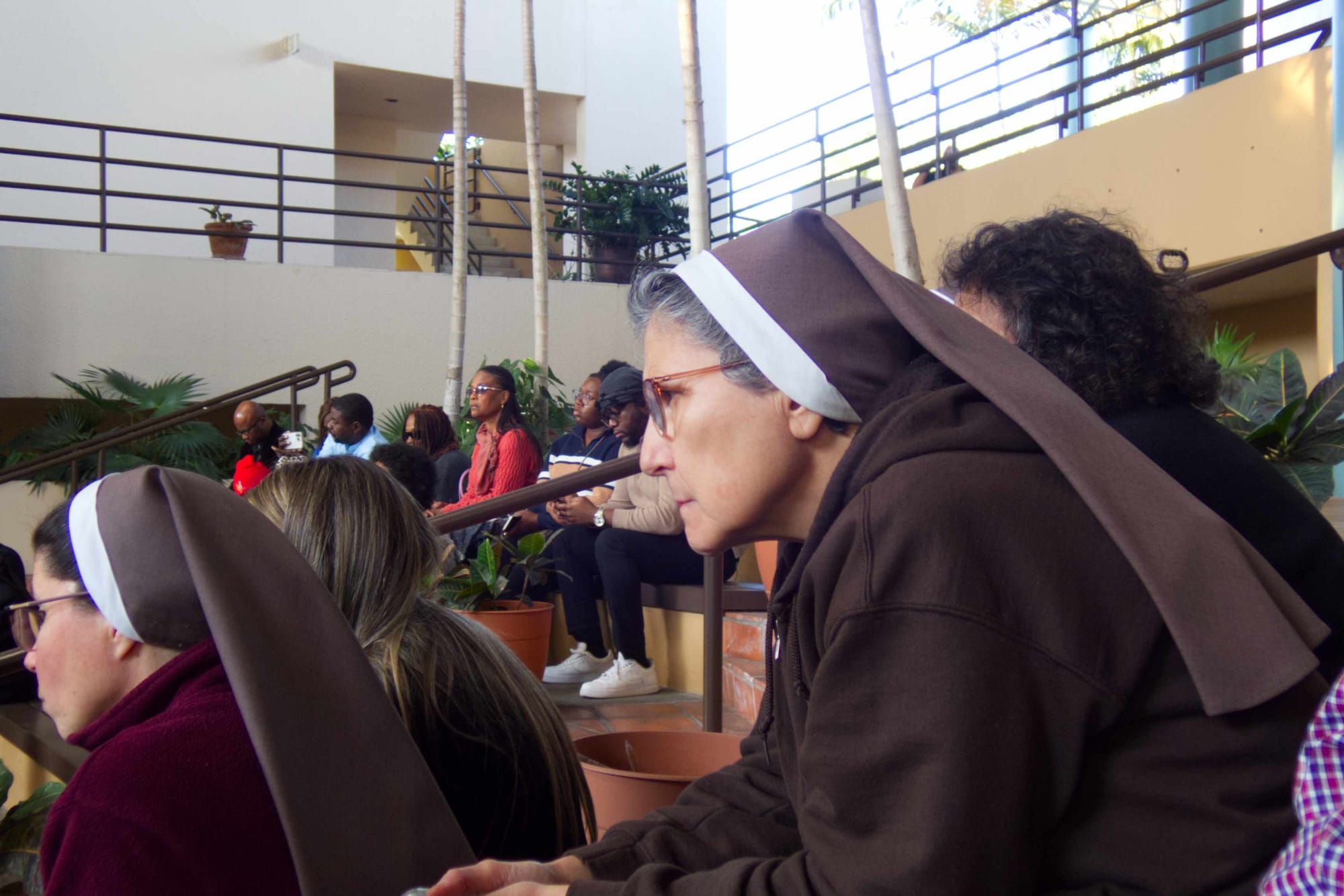
Why will TPS ending for Haitians hit South Florida especially hard?
While more Haitians reside in New York than South Florida, South Florida has the second largest population of Haitians with TPS living in the United States. In fact, Florida's 24th Congressional District (Miami Gardens–home to Hard Rock Stadium where the College Football Championship was played this year), represented by Rep. Frederica Wilson, has more Haitians living in it than any other Congressional District in the country.
Thousands of Haitians work, often times work multiple jobs, in South Florida, especially in Broward and Miami-Dade Counties. These workers make up a wildly disproportionate percentage of health care and food service jobs in these counties. This is why doctors are crying out to extend TPS to Haitians here in South Florida, as Dr. Brian Kriedrowski of Catholic Health Service did in a press conference on Wednesday at Miami's Archdiocese.
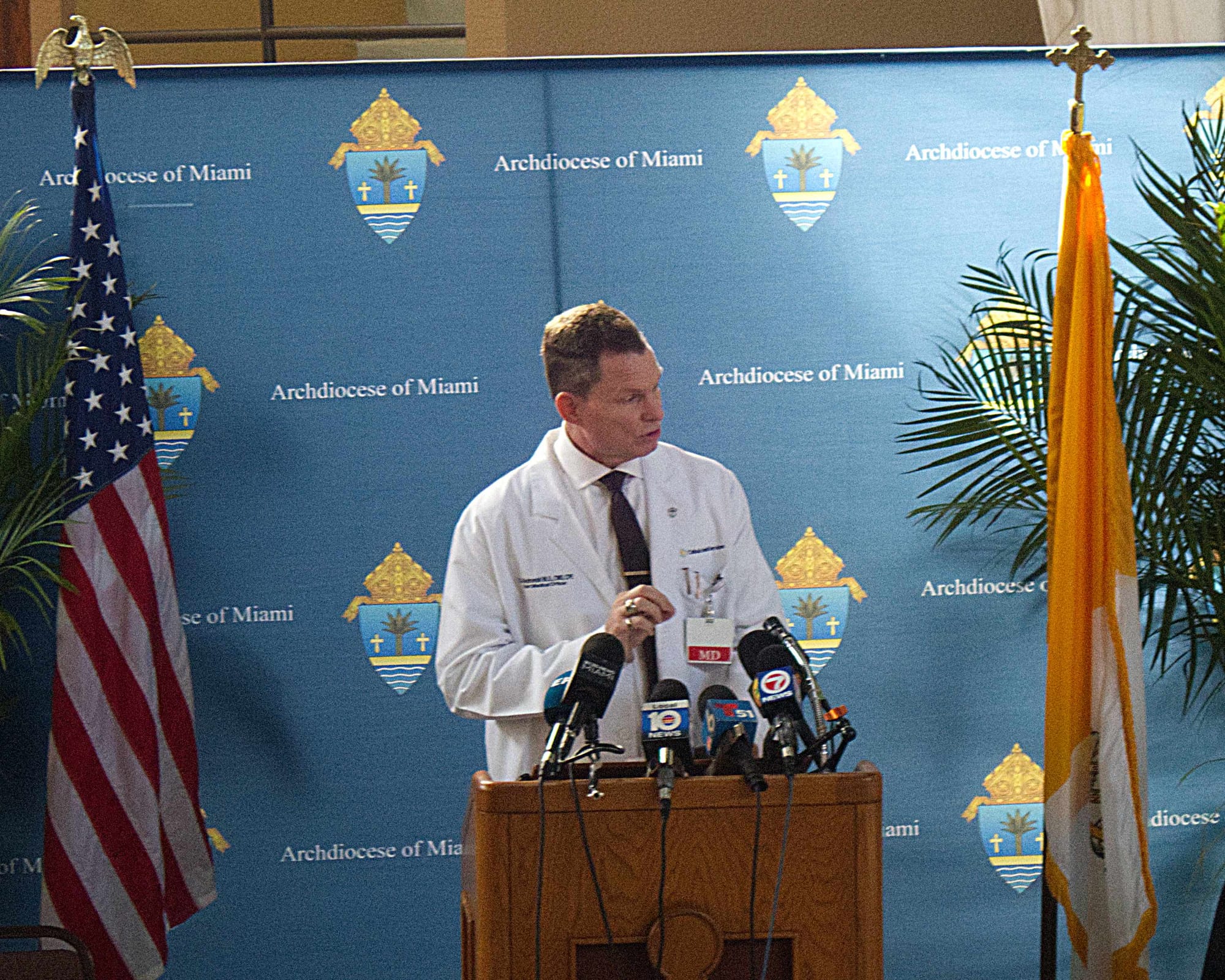
“Most of our essential caregiving roles are filled by our Haitian community, nurses, nursing assistance home health aides, long-term care workers, even down to our cemeteries,” Dr. Brian Kriedrowski told the audience gathered for the conference.
The next day at a press conference in Ft. Lauderdale Rep. Sheila Cherfilus-McCormick put it plainly for the audience gathered, "If you cannot have compassion for the people who work hard every single day, who have been your emergency workers, who have been your doctors, who have worked in the airport for you when you had to travel, if you can't have compassion for the people who have suffered to come to this country, and worked for everyone and never asked for anything, but a fair shot, have compassion for yourself.
"Because if you have over 350,000 people leave this country that would be economic sabotage. You will see so many people who will not be able to fill these jobs.
"If you don't believe me, have 350,000 people been trained for these jobs? Has there been money for 350,000 job trainings skills?" Cherfilus-McCormick went on, "So how do we assume that exporting all these people will somehow create jobs for people who haven't been trained?"
What is South Florida doing about it?
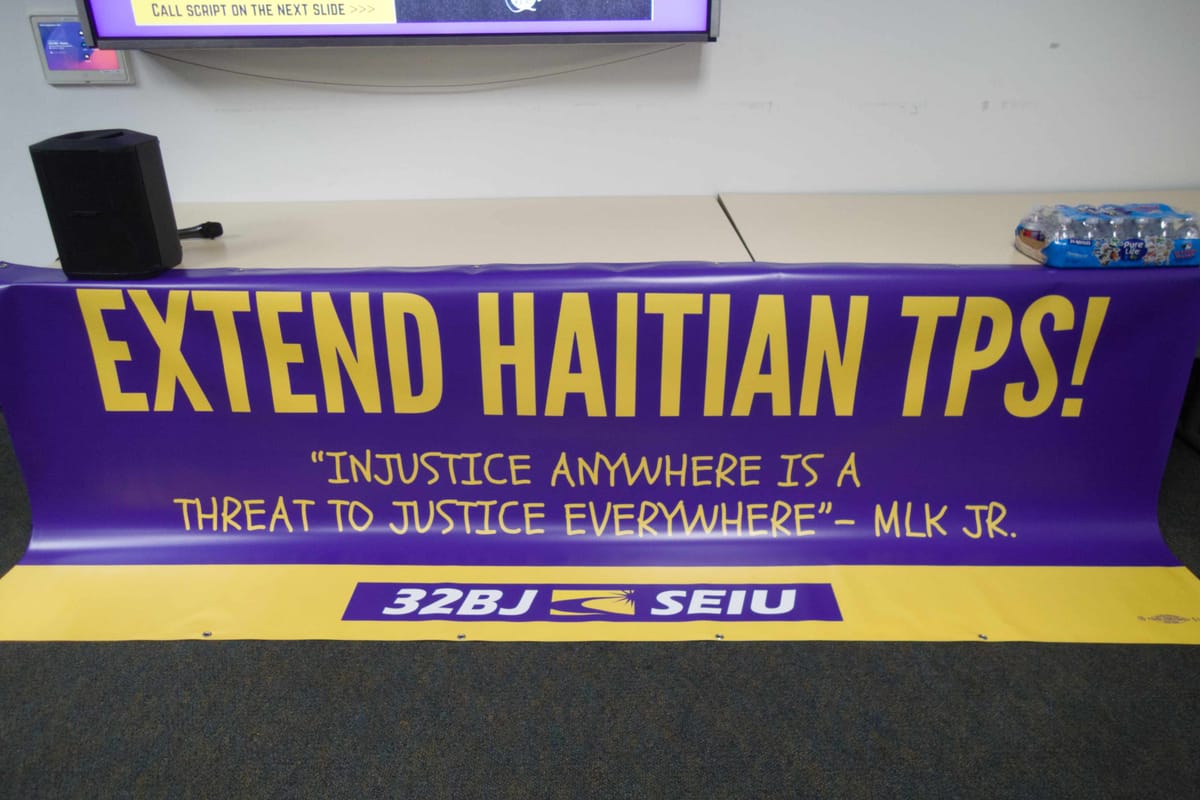
As I covered on MLK Day during the 49th parade in honor of the slain civil rights leader, union leaders have been yelling to anyone who will listen that "an injury to one is an injury to all!" and that means, in this case, extending TPS for Haitian workers.
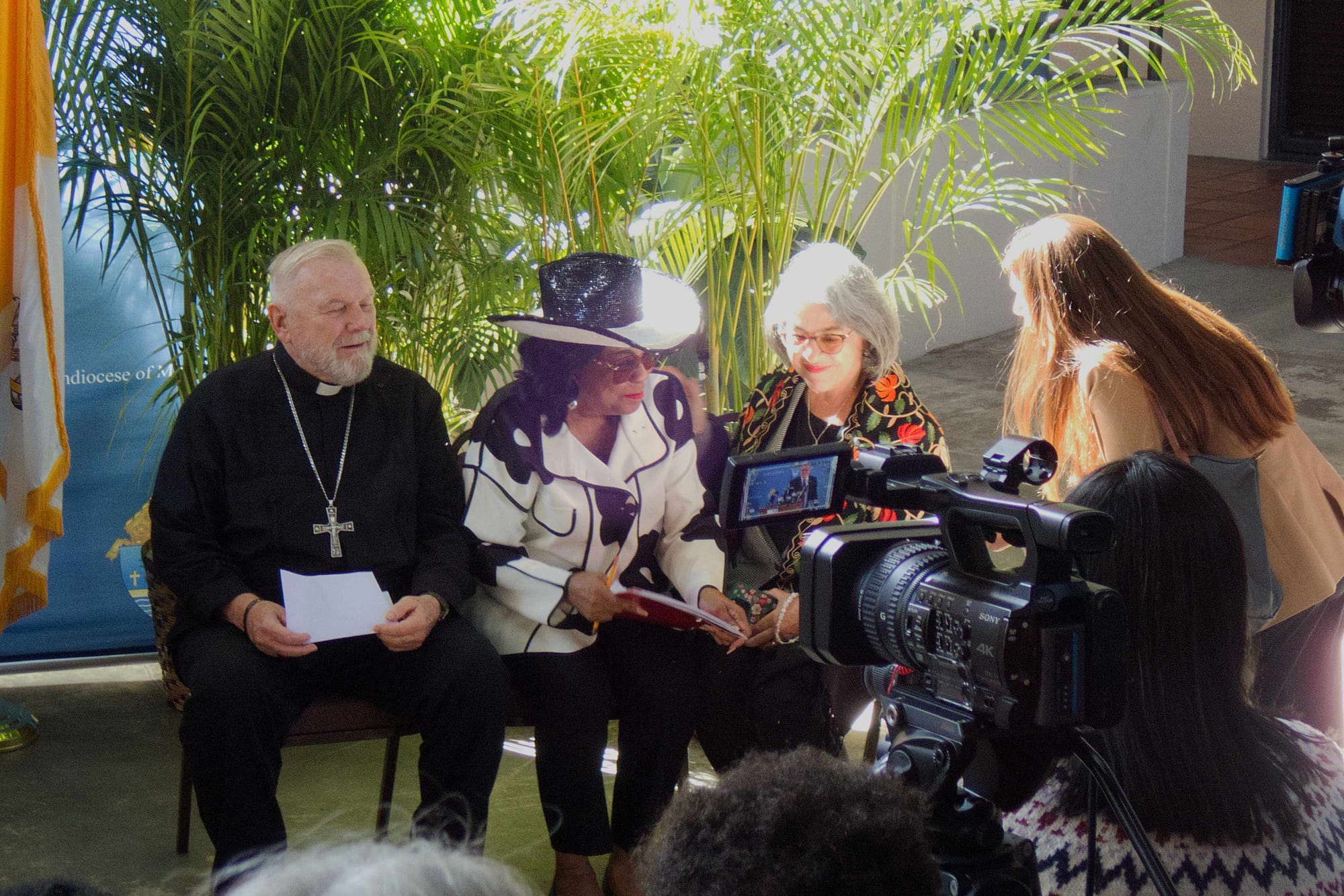
Religious leaders made a stance in a press conference at the Miami Archdiocese on Tuesday. The conference was attended by business, healthcare, religious and political leaders. Miami-Dade County "Big" Mayor Daniella Levine Cava was in attendance as was Representative Frederica Wilson from Florida's 24th Congressional District.
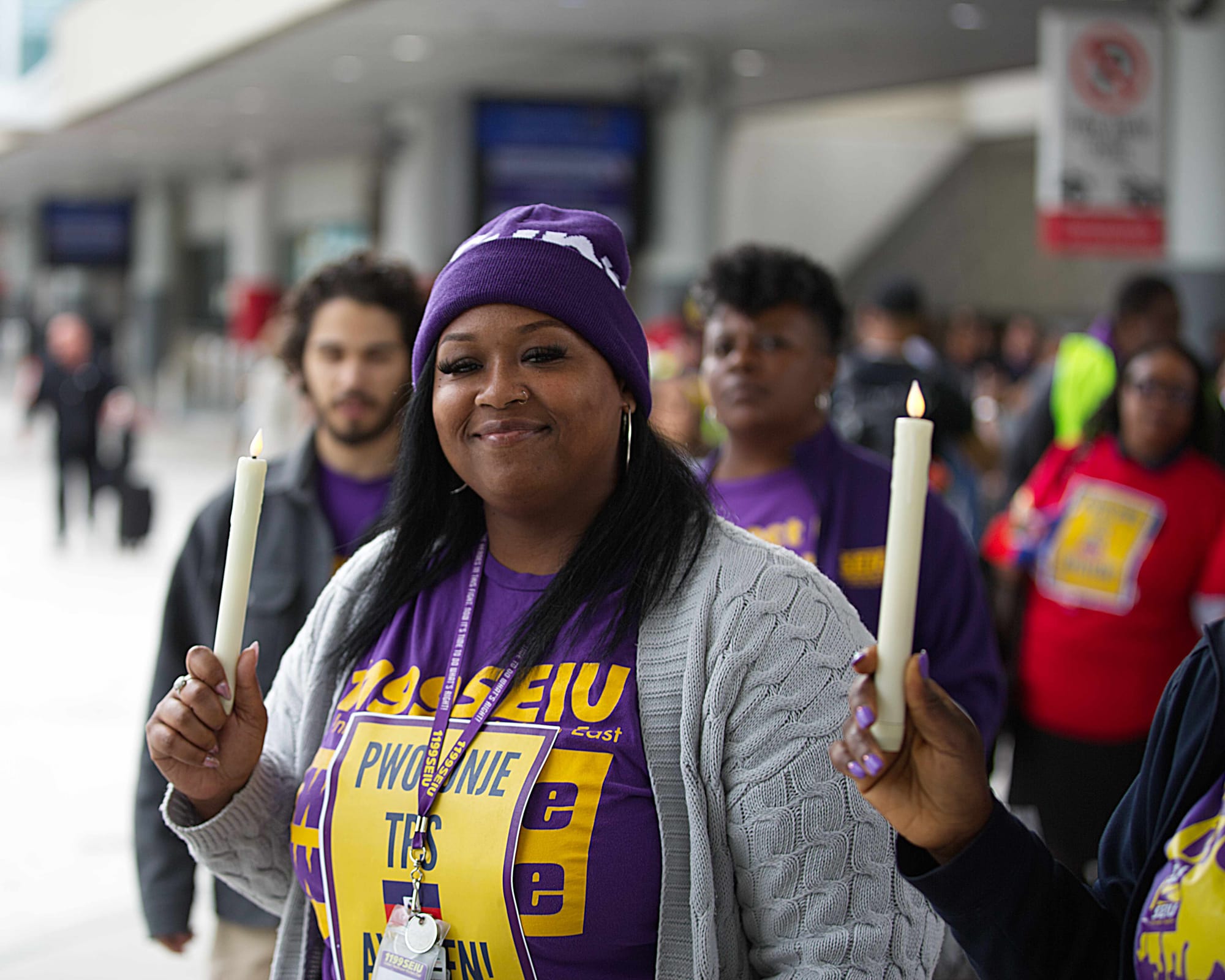
Meanwhile, on Wednesday, union leaders followed up on the MLK Day Parade in Miami-Dade County with a press conference and march at the Ft. Lauderdale-Hollywood Airport in Broward County. That press conference was attended by several labor unions including the two big SEIU unions, 32BJ and 1199, as well as UniteHere355! and Teamsters Local 769 and US House Members for Florida's 20th and 25th Congressional Districts, Rep. Rep. Sheila Cherfilus-McCormick and Rep. Debbie Wasserman Schultz respectively.
 Philip Cardella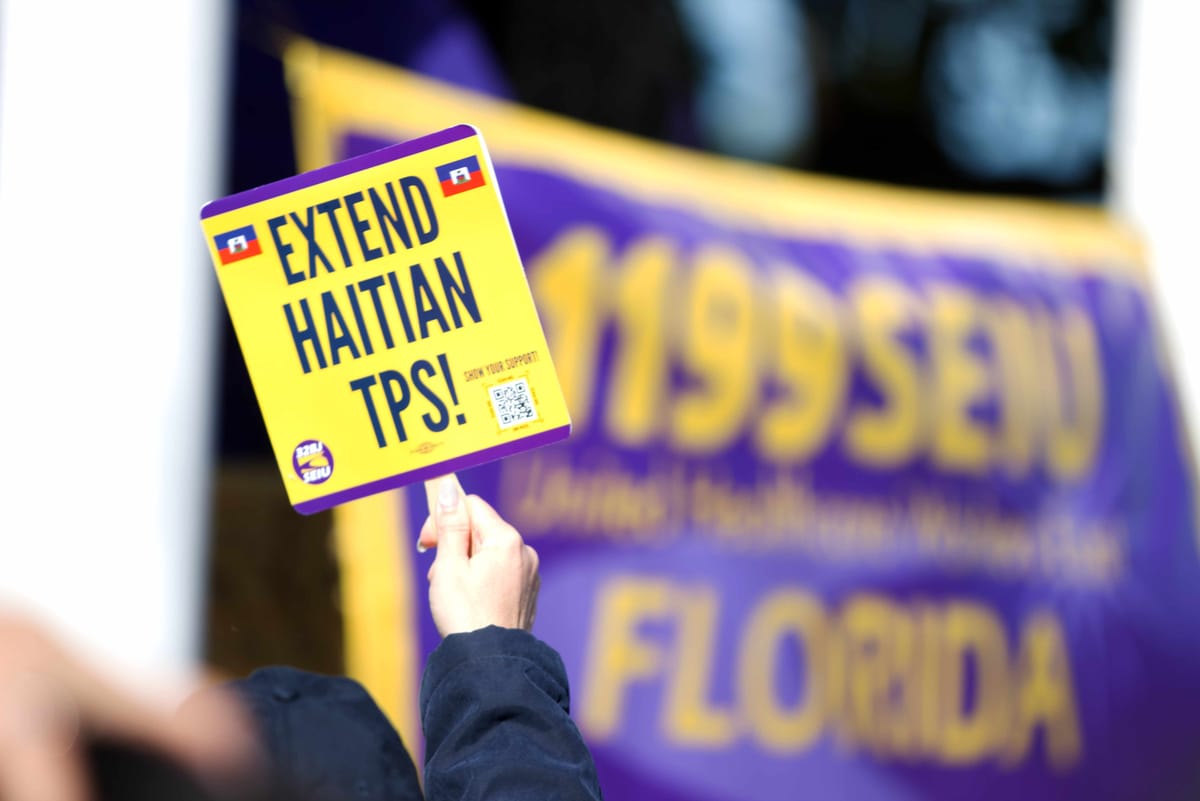
What other countries are facing an end to TPS?
On January 13, 2026, Department of Homeland Security under Secretary Kristi Noem announced that TPS would be ending for Somalians on March 17, 2026, despite Somalia also being under a Level 4: Do Not Travel advisory from the US State Department.
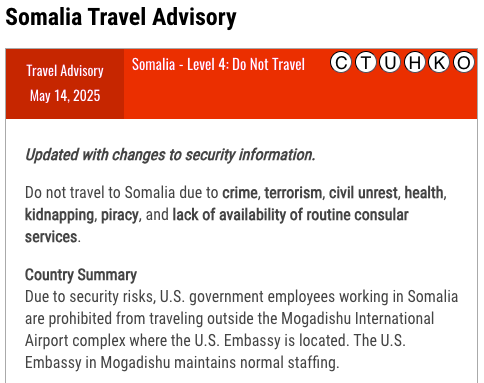
Many other countries are also facing an end to TPS in the coming months including South Sudan, and Venezuela, both of which have Level 4: Do Not Travel advisories and Ethiopia, which has a Level 3: Reconsider Travel, advisory.
What can we do about this?
It's pretty simple, really. Congresswoman Laura Gillen of New York, another state with a huge Haitian population, proposed H.R. 1689 "To require the Secretary of Homeland Security to designate Haiti for temporary protected status," to the House in February of 2025. That bill has not received an up or down vote so Rep. Ayanna Pressley of Massachusetts has started a discharge petition that would force a vote on H.R. 1689.
Call your House member today and demand that they vote for Pressley's H.Res 965 to force a vote on H.R. 1689 on Monday, February 2, 2026, when Congress is back from recess.
"Hello, my name is NAME and I live in your district. I'm calling today to ask that you vote in favor of H.Res 965, the discharge petition that will force a vote on H.R. 1689, which will allow Haitian Temporary Protected Status to be renewed. Thank you."


That's it. That's all you have to do right now to make a huge difference.
The people on the other end of the line have never been mean to me, but they may play dumb on the bills so you should have them written down when you call. Basically, tell them you demand that TPS be extending for Haitians.
Since I published this story the Miami Herald ran three important stories that add to this.
"'I am breathing, but I am not living': Fear rises among Haitians as TPS end nears" and "A disabled child, a panicked teen: A Haitian mom's agonizing choice as end of TPS nears," by Jacqueline Charles and "Haitian TPS ends on Tuesday. No economy will be hit harder than Greater Miami's," by Max Klaver.
Also, a typo where I left out "of thousand of" in the first reference to "hundreds of thousands of Haitians" was corrected.