Andrew Carnegie, Carl Fisher and Ken Griffin Walk Into an Affordable Neighborhood--Week ending October 4, 2026
As I was finishing up most of this week's post the hard drive where most of my recent work has gone stopped working (I have 7 hard drives–one shoot this previous week took up 500GBs all by itself). It was the only drive I hadn't backed up because I was waiting on an 8TB drive to arrive in the mail.
That drive arrived the morning after the other failed.
Reconstructing to failed drive to extract what I could took several hours.
So I went out to the Everglades to shoot a little footage because that's where I find peace and hope. It was a beautiful morning.
I stopped to get a drink at the only gas station on the road and my car wouldn't start. Not only would it not start, it wouldn't even get into neutral for the tow truck driver I had to call from Miami.
It took him an hour to get to me.
We got on the road and then someone had driven off the road with a heavy truck and a trailer and we were three cars behind the effort to pull that rig out of the mud.
So we sat there for an hour.
All that's to say, I am late with this newsletter because a bunch of stressful and very expensive bad things happened all related to making this little project work!
And that's why I always include the quote from King, because it is so very important.
“We must accept finite disappointment, but never lose infinite hope.” Martin Luther King Jr. in Washington DC in February of 1968.
Table of Contents
Finite
Disappointment
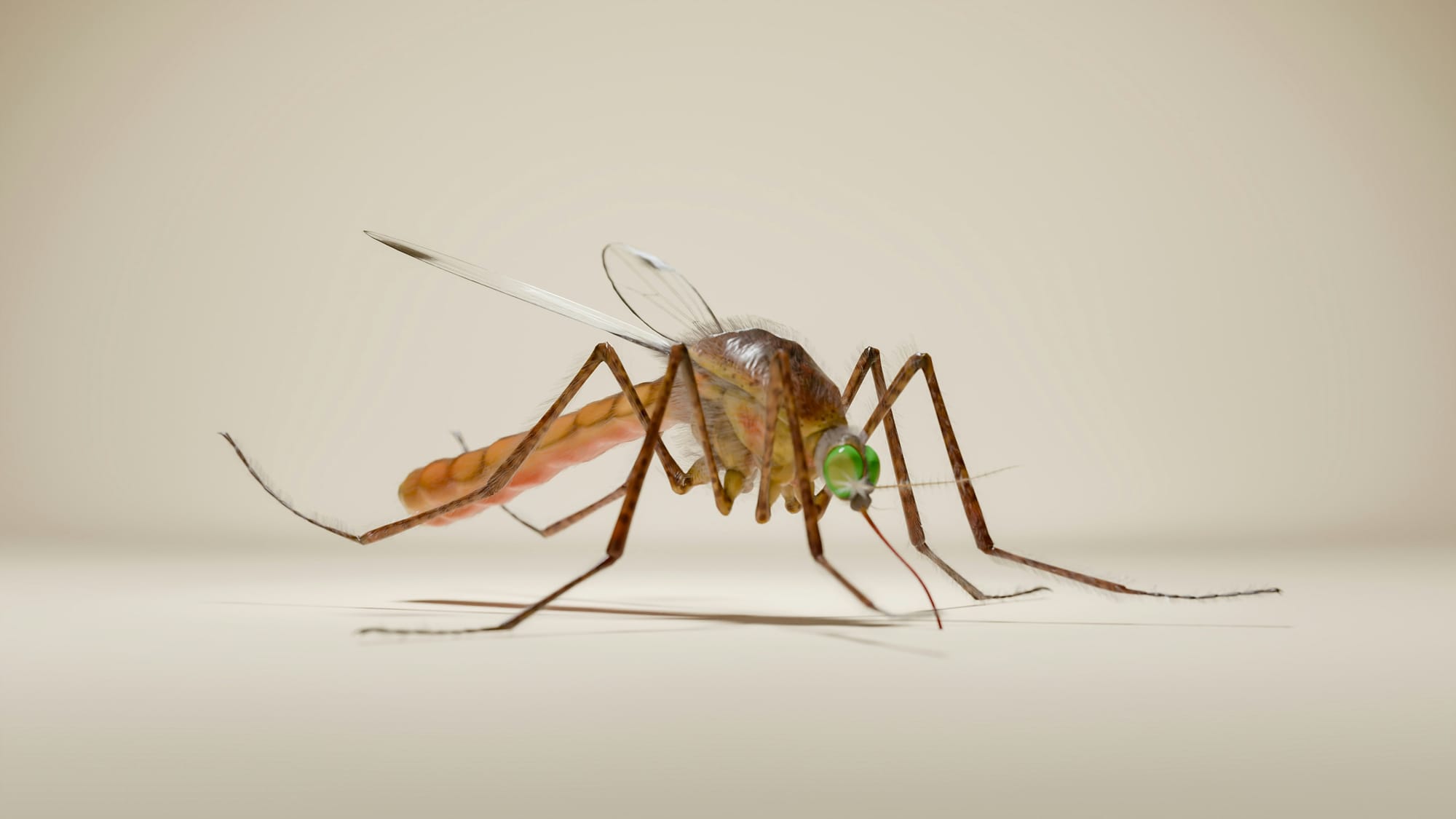
My old nemesis is apparently stalking me
 B. Scott McLendon
In 2005 I travelled with my church in Seattle to Colombo, Sri Lanka to help out after a devastating tsunami. It was an interesting and indeed wonderful trip in many ways.
I did practically bathe in Deet, recognizing that dengue fever was a thing that was there and I did not want. One of my fellow travelers got bit by what seemed like all the mosquitoes in the country.
I never noticed one on me.
I spent two days in a Sri Lankan hospital with dengue fever and he did not.
It was a nightmare. The only thing I could watch on TV was cricket (which wasn't so bad) and I kept asking the nurses to turn up the heat because I was wracked with chills and then turn up the air conditioner when the chills gave way to hot flashes.
Years later after we moved to West Lafayette, Indiana (remember that city!) I was revisited by this demon. Apparently, it never really leaves your bloodstream.
Now it's having a moment in Florida.
Politicians tend to stretch the truth; some just make up their own truth
 Philip Cardella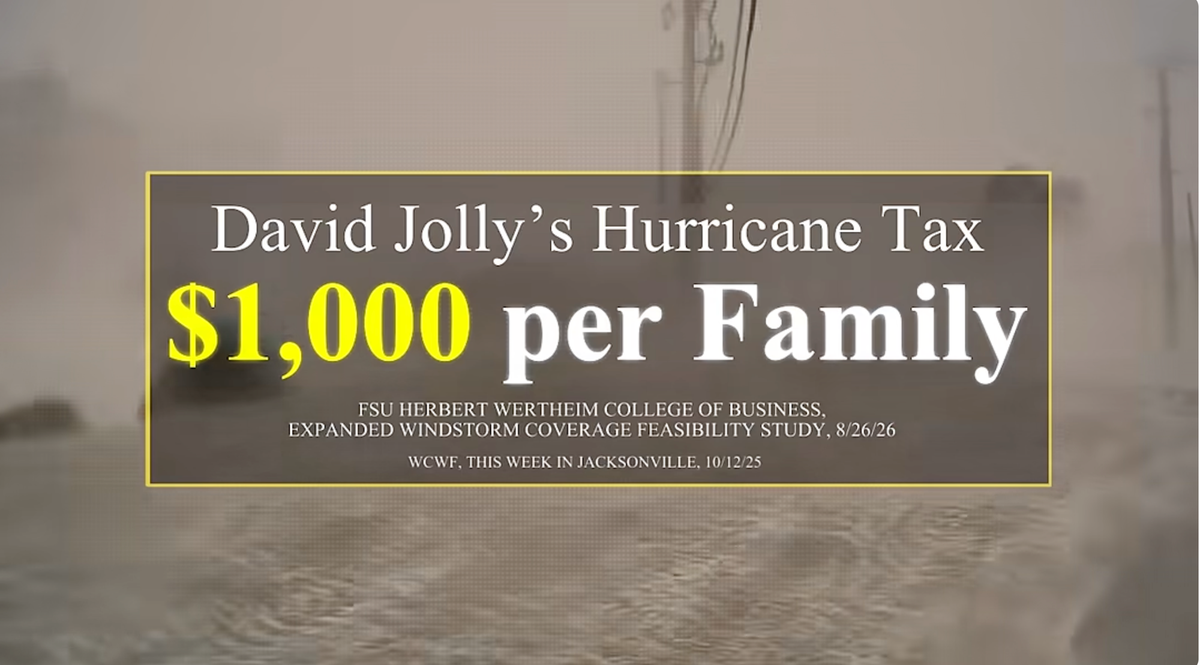
 Mitch Perry | Florida Phoenix
Immigration in the United States
 Sergio R. Bustos and Zoey Thomas
 Judith Levine
Florida
Gonna Florida
Ken Griffin and Carnegie Mellon University
 Philip Cardella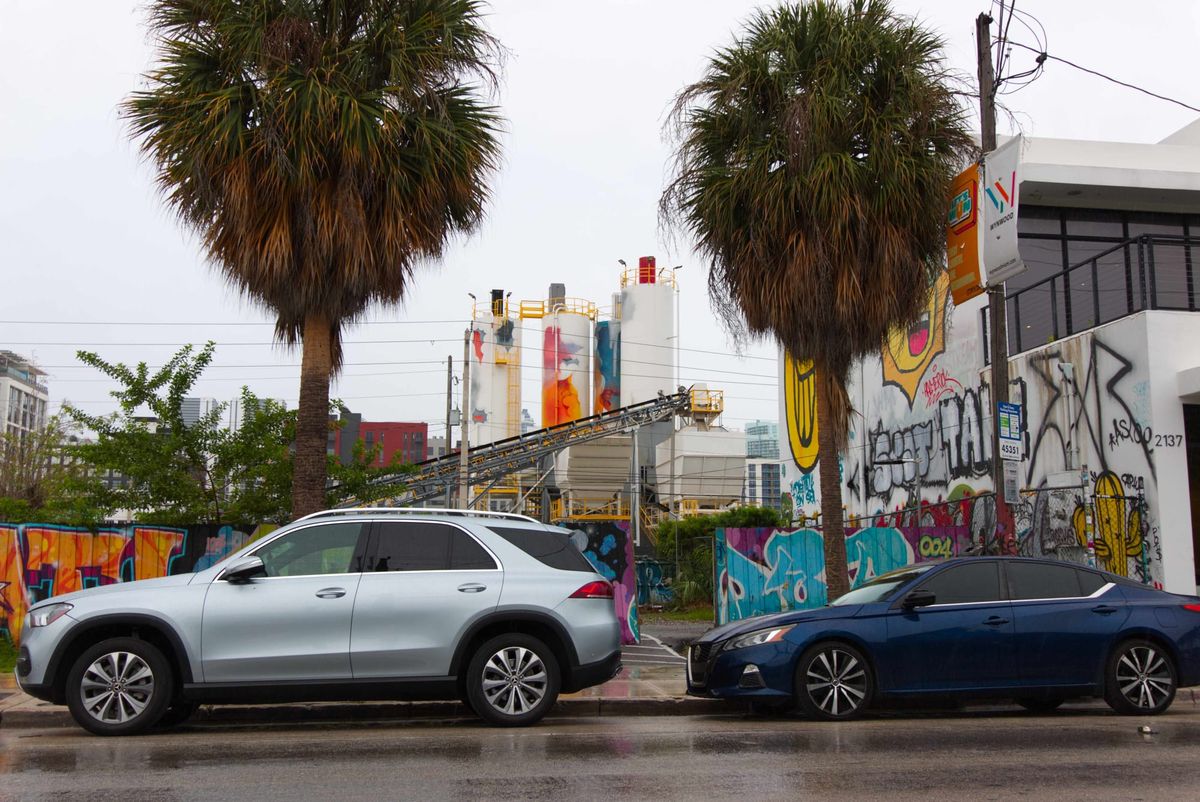
On Wednesday the Miami Herald breathlessly announced an exclusive story that billionaire Ken Griffin was teaming up to create a new campus for Pittsburgh's Carnegie Mellon University in the Wynwood neighborhood of Miami.
It triggered me. LOL.
But wait! There's more! After I published the analysis above the Miami Herald released yet another piece on the deal, this time by Austin Horn and Catherine Odom. That article has a fascinating section in it:
The one thing Miami lacks is smart people...we're not starting from a good baseline
Gabe Elias is both a product of Miami’s higher-education system and a beneficiary of the city’s tech boom — and he says the city is still struggling to produce the technical talent its ambitions require. The CEO of the Miami-based startup electric battery company Material, he was raised in Miami and graduated from the University of Miami’s College of Engineering in 2010. He’s also hired and worked with graduates from South Florida and elsewhere in his company.
He’s noticed a difference.
“The one thing that Miami lacks is smart people… So, bringing a nice, top-tier university and getting intelligent people to study important things, I think it’s only going to help us. But yeah, we’re not starting from a good baseline – and I can say that as a local, I’m pretty sad to say it,” Elias said.
Having started his professional career at Honda in Ohio, he saw up close how flagship universities that crank out STEM graduates like Ohio State and Purdue work with industry to meet their needs. He said he’s thankful for that experience because it showed him how far behind other engineers he was at the start of his career and the power of those collaborations.
Stating, on the record to the paper of record for South Florida that "The one thing Miami lacks is smart people." is a bold choice.
Gabe Elias's dour assessment of the intellectual capacity of Miami's residents is, to be clear, not something that Ken Griffin has stated, so far as I know. Yet, it is telling and it is worth noting not only the gravity of the sentiment but the idiocy of it.
When Carl Fisher, yes, that Carl Fisher, built the Indianapolis Motor Speedway it was not random, a coincidence or because Indiana was full of smart people. It was because a) there was a brick yard, like a place that made and sold actual bricks next door to property he had access to (paved streets were made with bricks then!) and b) the American automotive industry at that time was based out of...Indianapolis.
The track was built to test new fangled contraptions called automobiles. The Indianapolis 500 Memorial Day race was started for giggles and to promote a new technology, automobiles, which were being built in Indianapolis.
When Henry Ford introduced the assembly line to auto manufacturing near Detroit, Michigan years later, Indianapolis' dominance of the auto industry started to decline while the preceding years saw paved roads and cars becoming commonplace.
One of those paved roads, a brain child of Carl Fisher, stretched all the way from Indiana to Miami, Florida.
That's the Dixie Highway.
So, facing competition from a rival Midwest state the state legislature of Indiana teamed up with the state's public land grant university, that is Purdue University in West Lafayette, Indiana, to create what is called the Joint Transportation Research Program JTRP in the 1930s.
Today JTRP is working on smart roads that charge electric vehicles, self driving semi-trucks, cars that talk to each other so as to avoid collisions, among other things. This partly shows the advantage of an established industry with education connections and the depth of the roots of such a collaboration.
Automobiles meant automobile engines and that meant engines generally, obviously, and that meant aircraft engines. Purdue University quickly became an early leader in aviation.
That is why so much transportation industry, from Caterpillar (the facility there builds generators that can power cities and train engines), Wabash National (if you look at a trailer odds are, it was built by Wabash National in Lafayette, Indiana), Mercedes-Benz, Sikorsky (helicopters), General Electric (aircraft engines) and Subaru (every Outback you've ever seen came off the line in Lafayette, Indiana), have major facilities near Purdue. Purdue was just there first and industry leaders teamed with the local public, nationally funded university, to make it happen.
Some of the relationships with the transportation industry has with Purdue University are older than the City of Miami.
And cars, airplanes, trains, etc have used computers since the advent of the electric computer in one fashion or another, whether in operating machinery to build them, tracking inventories, to being built into the vehicles to actually designing the vehicles. That is why Purdue University and nearby public universities like THE Ohio State University (and private ones like Rose-Hulman) developed engineering and computing schools.
The Indiana transportation explosion of the early 20th century that persists today was predicated on a public university with Federal grant money and pre-existing infrastructure the university helped create (and is helping create to this day).
Guess what other university is a public land grant university? That's right THE Ohio State University, the other schools Gabe Elias mentioned. Purdue University and THE Ohio State University are four hours apart by car and would be only three hours apart if there was a road that went straight between them.
Miami has no inherent advantage for any industry that Ken Griffin is promoting with this private university. He's trying to relocate an entire industry and the families of the people in those industries.
While work artificial intelligence is making a lot of news today, work at schools like Purdue University, THE Ohio State University, and, yes, the University of Miami and Florida International has been ongoing on that for decades.
Work on computers goes all the way back to the founding of Florida International University and the University of Miami, while Purdue University and THE Ohio University helped create the industry, despite the Silicon Valley getting more recognition for this.
One reason the University of Miami and Florida International University lag behind, especially in reputation (which is a huge percentage of US News and World Reports vastly overrated school rankings), is because they are decades younger. In fact, Purdue University, founded in 1869 as a Federal Land Grant University (public), which means among other things it is required to focus on engineering, is almost exactly a century older than Florida International University, which was founded in 1965, four short years before Purdue put one of its graduates, Neil Armstrong, on the Moon.
Can you imagine what FIU or the University of Miami, highly ranked schools that have surged in reputation, rankings, graduate placements and importance despite having to compete with universities like Purdue that have almost a century head start on them could do with $2,000,000,000?
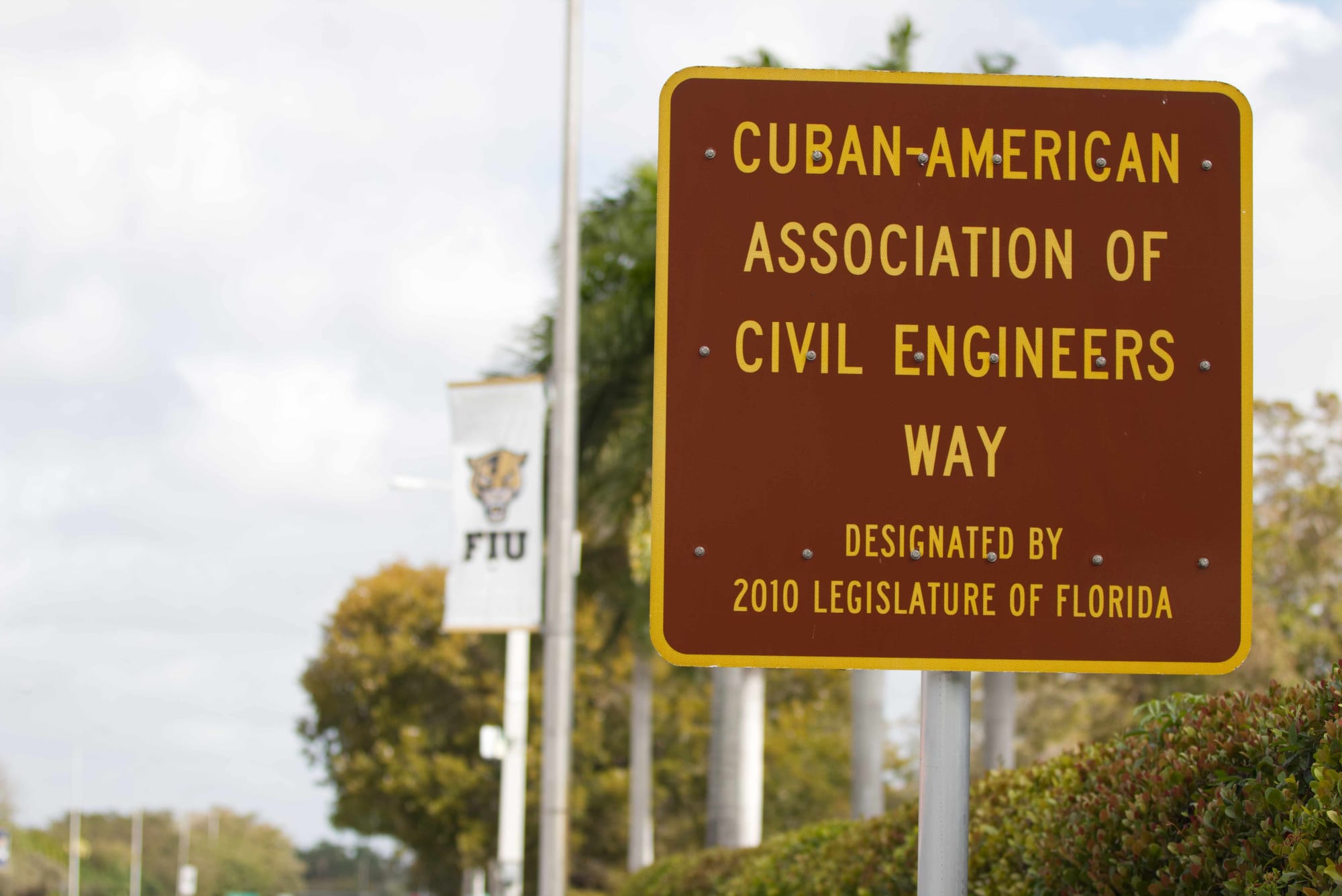
To put it in context, $2,000,000,000 is more than FIU's entire annual budget. Not FIU's College of Engineering and Computing, FIU's annual budget for one of the largest schools in the world, serving 54,723 students in 2024.
Putting a finer point on it, $2,000,000,000 exceeds FIU's annual budget by $300,000,000. In other words, that $2B could fund FIU for an entire year while doubling the $300,000,000 in financial aid the school gives.
Still, Ken Griffin and Gabe Elias want to bring more wealthy people and their families to Miami to fundamentally create an industry hub, basically, from their logic, from scratch.
That means more housing competition in arguably the most stressed housing market in the entire country.
Guess what else West Lafayette, Indiana has that Miami doesn't have? Reasonably priced homes. The average home in Tippecanoe County (you can get from any point in Tippecanoe County to Purdue faster than a person can get from Homestead to Downtown Miami during rush hour) is $300,000.
Ok, ok, you got me, I exaggerate. It is $301,170 as of August of this year.
That's just over half the cost of a home in Miami today of $580,866.
And Indiana has lower insurance costs from cars and homes.
In Columbus, Ohio, where THE Ohio State University is located, the average home costs $247,002. While residents in Miami spend, on average, about half of their income on food and housing, residents in Columbus spend about half of that–one quarter of their income on housing and food costs.
By the way, Carl Fisher, was born and raised in the Midwest, rose to become a captain of industry, wanted to have a home in Miami so bad he built a road to it.
Carl Fisher died in poverty because he was a businessman willing to take reckless risks on South Florida and it cost him everything, while helping drag Florida and the world into a Depression.
Just saying.

Historic
Interlude
There's enough history in the Florida Gonna Florida rant so let's leave it at that this week.

Infinite
Hope
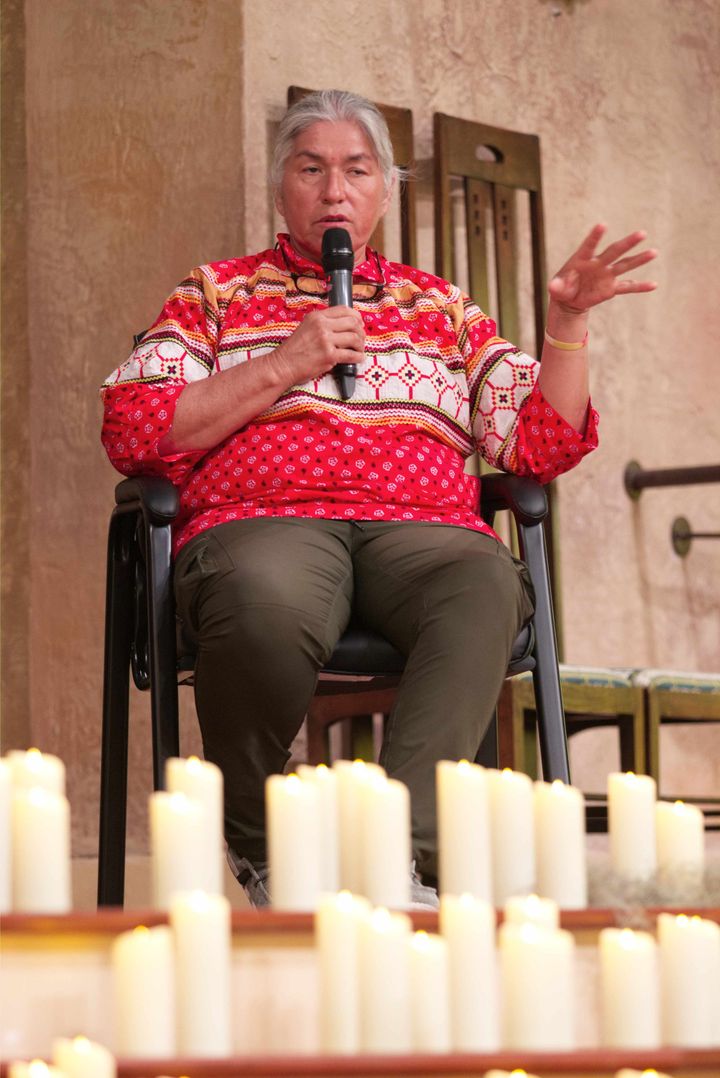
The Miccosukee Arts and Science Symposium
No one cares more about the Everglades than the Miccosukee who have called it home for centuries. Last week, in collaboration with Florida International University, the Miccosukee hosted an arts and science symposium at their largest public building, right at the intersection of Krome and 8th Street.
I have so much to say. It was what I was working on when my hard drive failed. It filled me with hope.
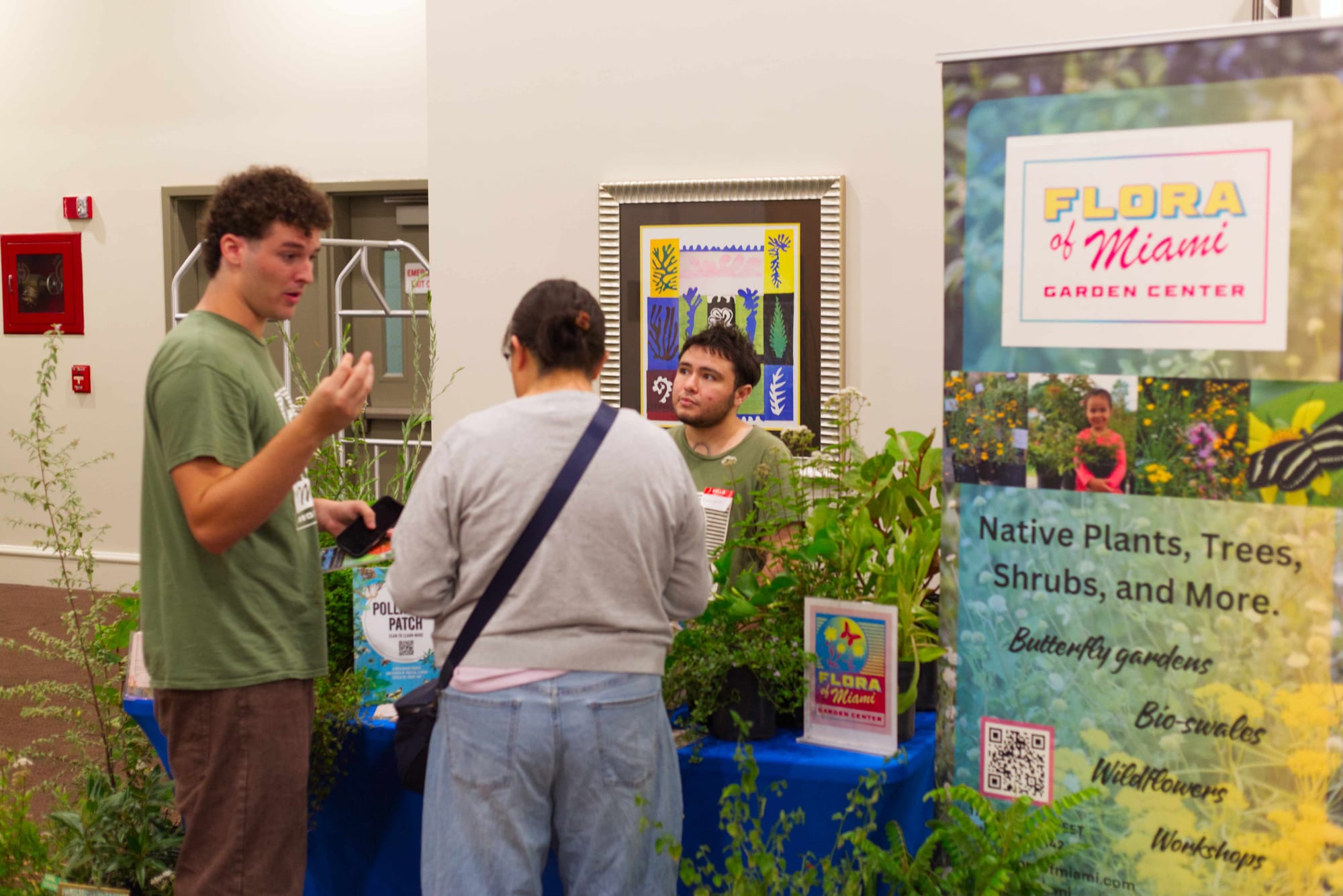
I brought my 20 year old FIU student kid with me and it filled her with hope and with joy. She loved it. We both thought my younger kid should have been there.
It ended with a new documentary by a director I admire and who has given me some help with my own documentary, Dudley Alexis. The film is Edge of Hope and if you get a chance to see it, you should.
I will do my best to post about all of this this week.
Even Law Enforcement Chiefs (mostly) Hate Amendment 3
And for good reason. It fills me with hope that it looks likely to fail despite the coalition in favor of it, mostly people with significant interest in real estate sales, have outspent the opponents of the measure 33-1.


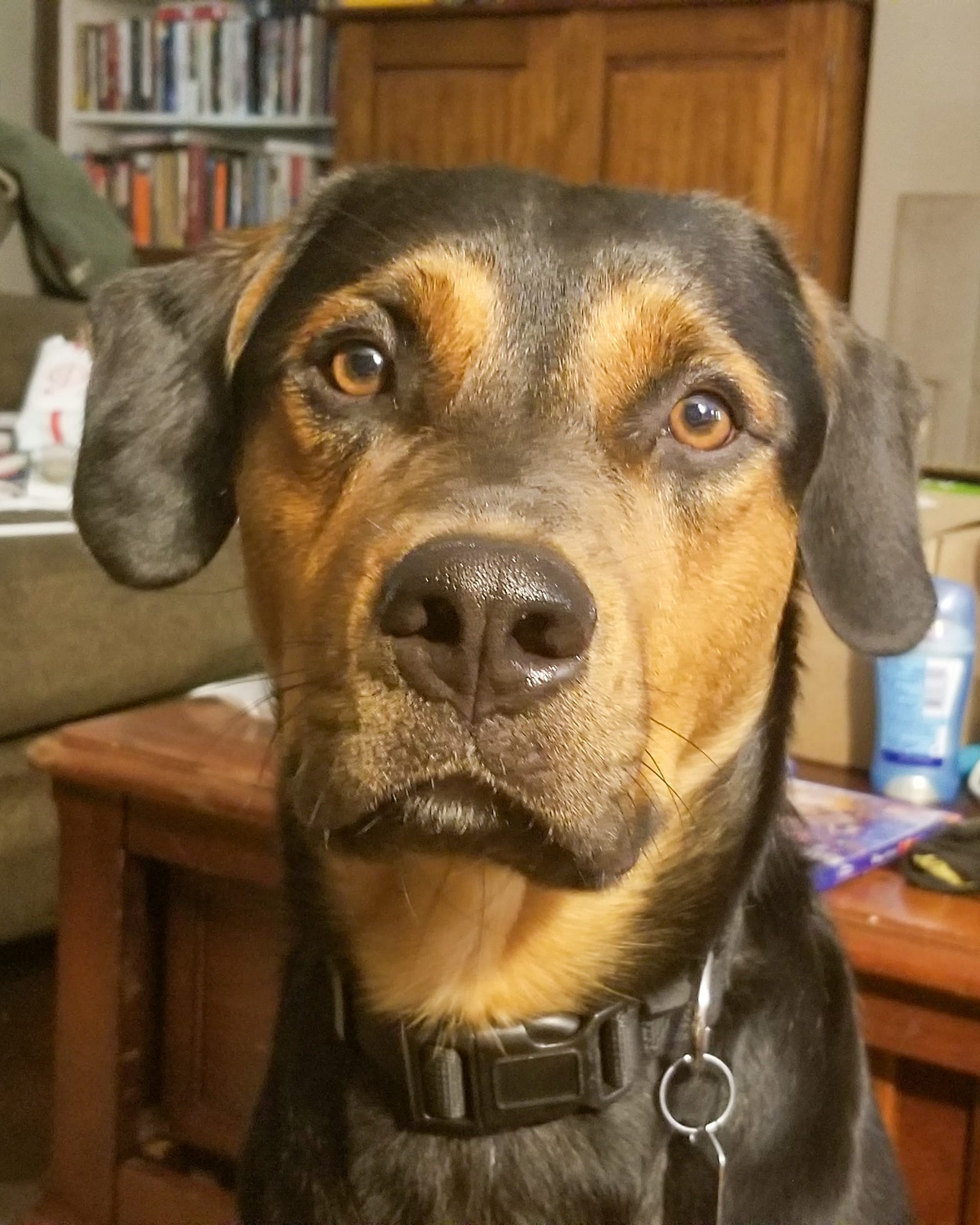
Bear
The History Hound Finds
 Mitch Perry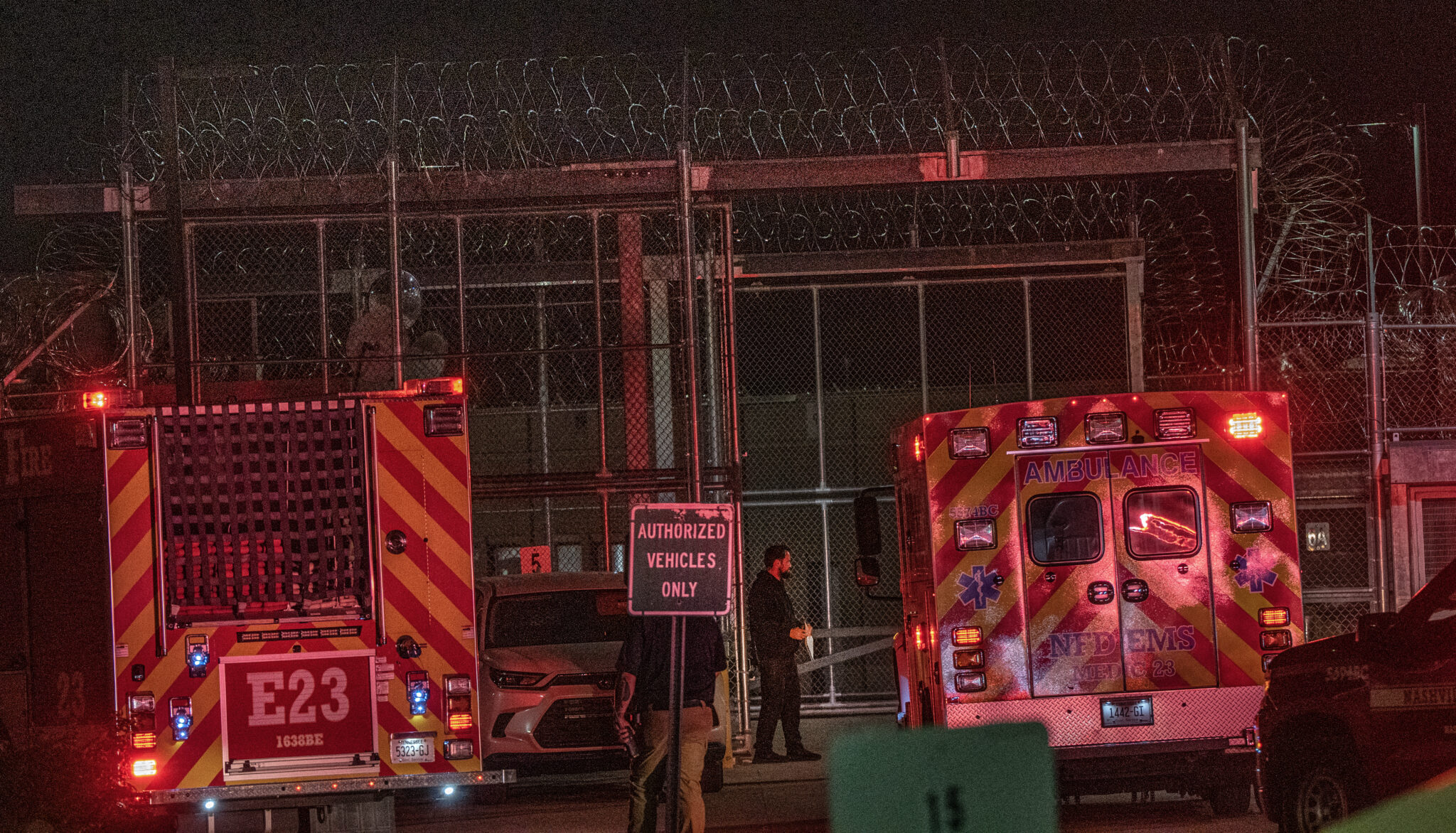
 Ari Berman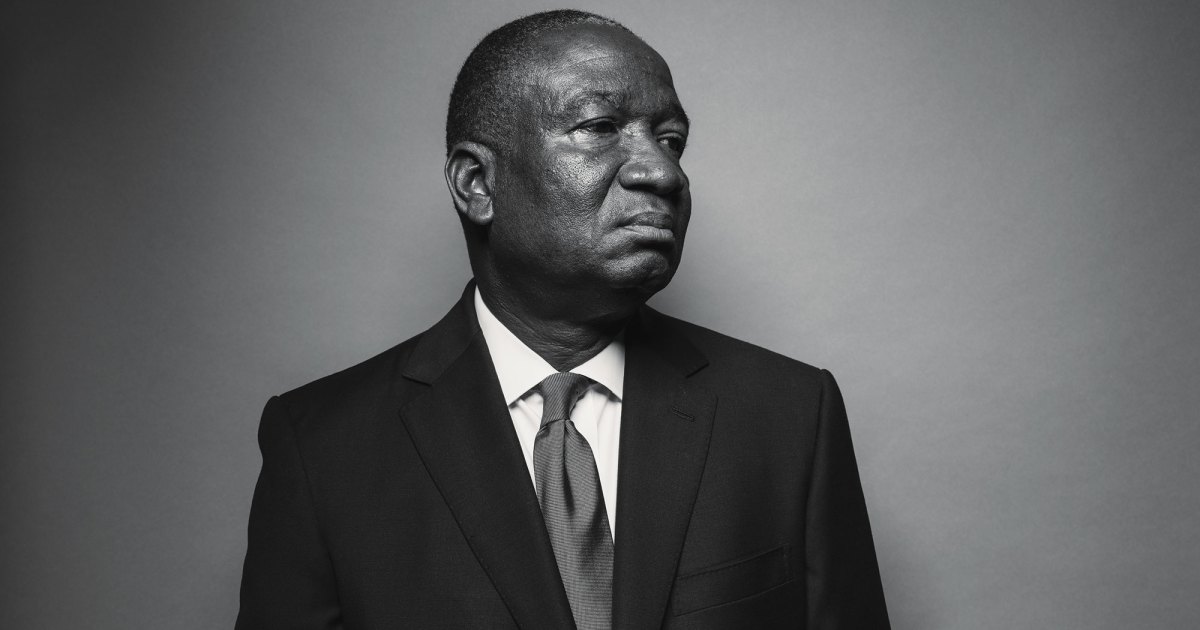
Have a news or event tip?
Another great way to help TWIFL out is to send a tip about something going on in South Florida, especially something that is important to our community but may not be getting the coverage it needs. This can be anything from an ice cream social put on by kids to support a local retirement home to a protest for or against the current administration to an endangered species thriving or being threatened.
Though This Week in Florida is a labor of love it is in fact a lot of work. The hope is that one day it would add to the family income.
You can help by sharing this newsletter with your friends.
Help us out! Donations of $50 or more will receive a free 8x10 or 8x12 photo from my collection.