Doral, ICE and Gag Orders
By Philip Cardella November 18, 2026
Doral, FL
Did you know that a gag order helped pave the way for the American Civil War? It's true, 190 years ago South Carolina Representative James Hammond (D) proposed a gag rule to get uppity northerners and abolitionists to stop talking about slavery on the floor of Congress. After months of debate and a special committee commissioned to discuss the discussion of slavery chaired by South Carolina Representative Henry L. Pinckney, Congress under the leadership of future President James Polk, voted to enact the gag order.
The Pinckney Committee reported back to Congress: "All petitions, memorials, resolutions, propositions, or papers, relating in any way, or to any extent whatsoever, to the subject of slavery or the abolition of slavery, shall, without being either printed or referred, be laid on the table and that no further action whatever shall be had thereon."
By 1840 the gag order had expanded to basically prohibit American citizens from even writing Congress about slavery.
For eight years the United States Congress was gagged from discussing slavery and, while politically expedient that that period's Democratic Party, the crisis surrounding enslaving humans, only grew and festered.
Led by former President by then returned to Congress John Quincy Adams, the Whig Party demanded to have their right to discuss the topic based on the First Amendment itself. Americans, in general, agreed with him–and they were incensed that a representative, any representative, had been told he could not even have a discussion on a topic, any topic.
Telling an American they can't talk about something is the surest way to get them to scream at you about it.
In the end, John Quincy Adams; repeal of the gag rule would mark one of the greatest accomplishments of his career, a career that had previously included being elected to the Presidency.
"For defenders of that institution [slavery] the entire controversy over the gag rule was an unmitigated public-relations disaster. For John Quincy Adams it was a famous victory that marked him indelibly as a champion of civil liberties and civil rights," wrote historian David P. Curry in his book The Constitution in Congress: Descent into the Maelstrom, 1829-1861.
The gag rule was the topic of the entire first chapter of the book. The book was about the role congress played in dragging the country into the Civil War.
Fast forward to today when the city lawyer for Doral, a young city founded in 2003, argued in front of the council that the council itself was functionally gagged by Florida Attorney General James Uthmeier from even discussing the topic of a different from of involuntary detention from slavery–immigration detention and ICE.
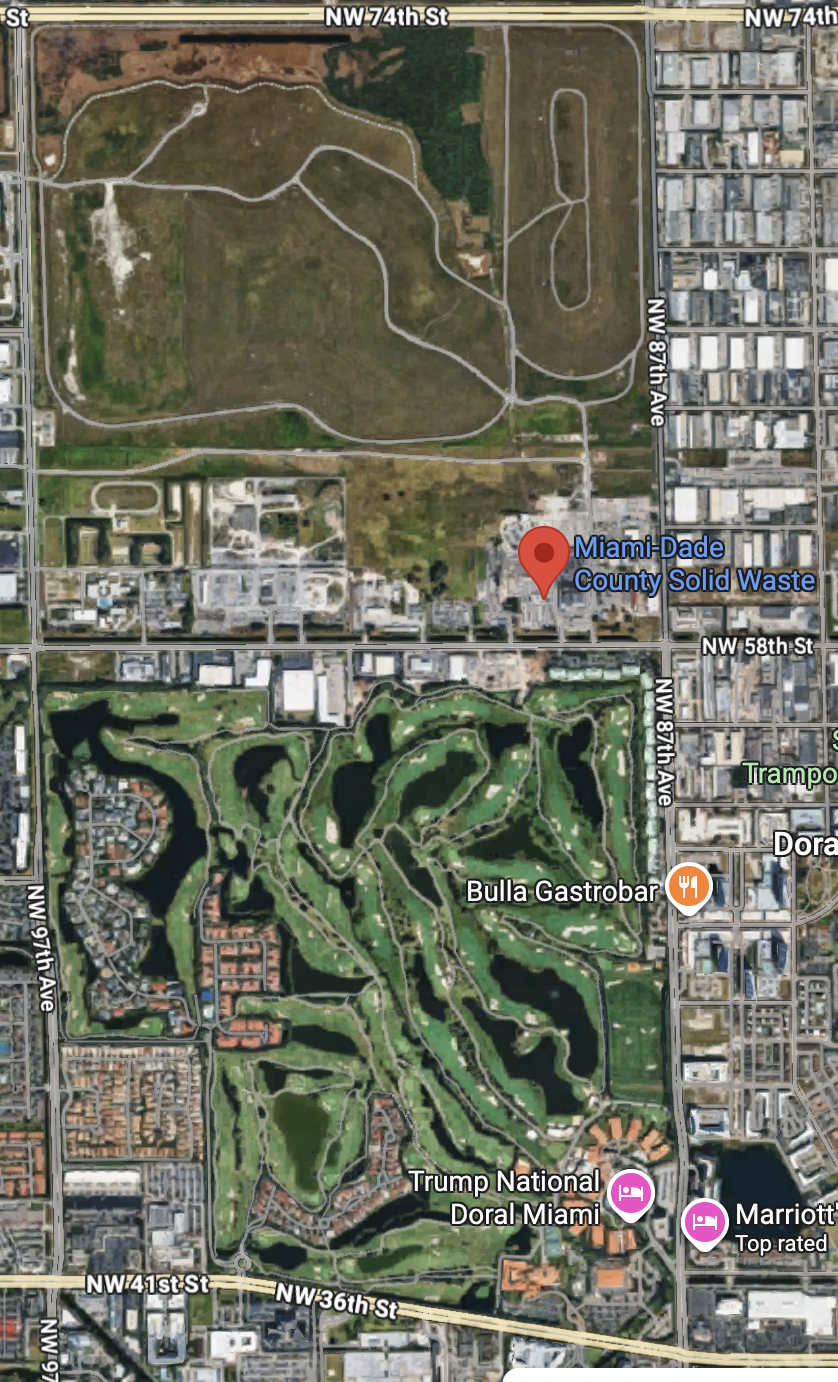
You may have heard of the City of Doral because it is where Trump National Doral Miami sits across the street from a Miami-Dade County Solid Waste facility (a landfill, a garbage dump). Doral is the site of this year's G20 meeting in mid December.
For months the residents of Doral have pleaded with the city to let their police go back to work as police and to end the 287 (g) agreement that functionally deputizes Doral police officers into the Federal Government's immigration enforcement.
 Circles Robinson
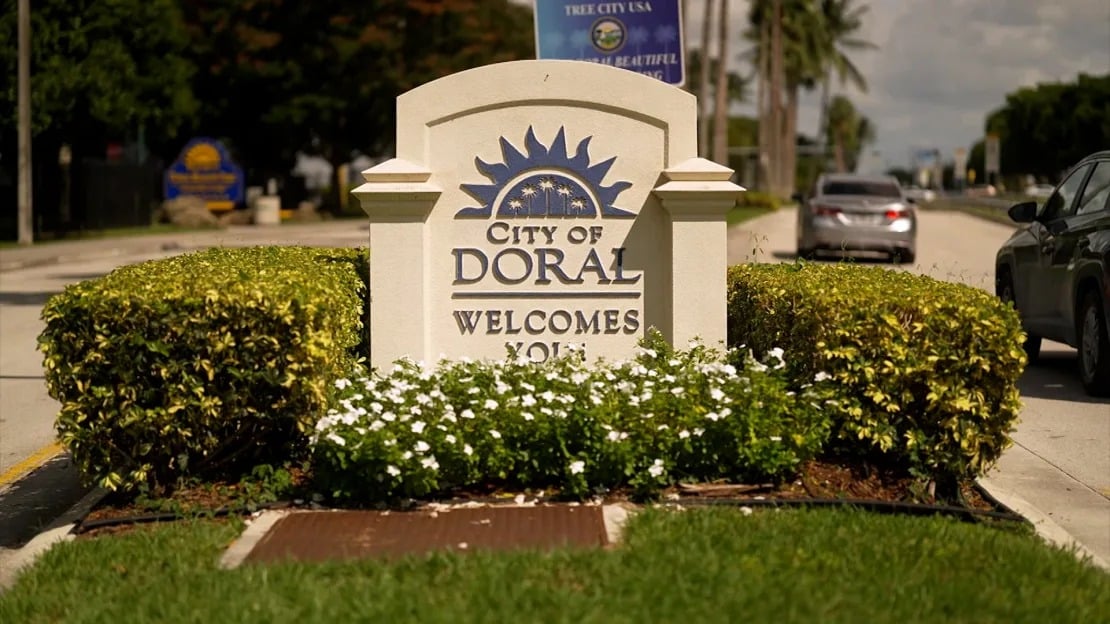
Responding to the cries of her constituents, Councilwoman Maureen Porras requested the city council place a discussion of the 287 (g) agreement on the city's agenda.
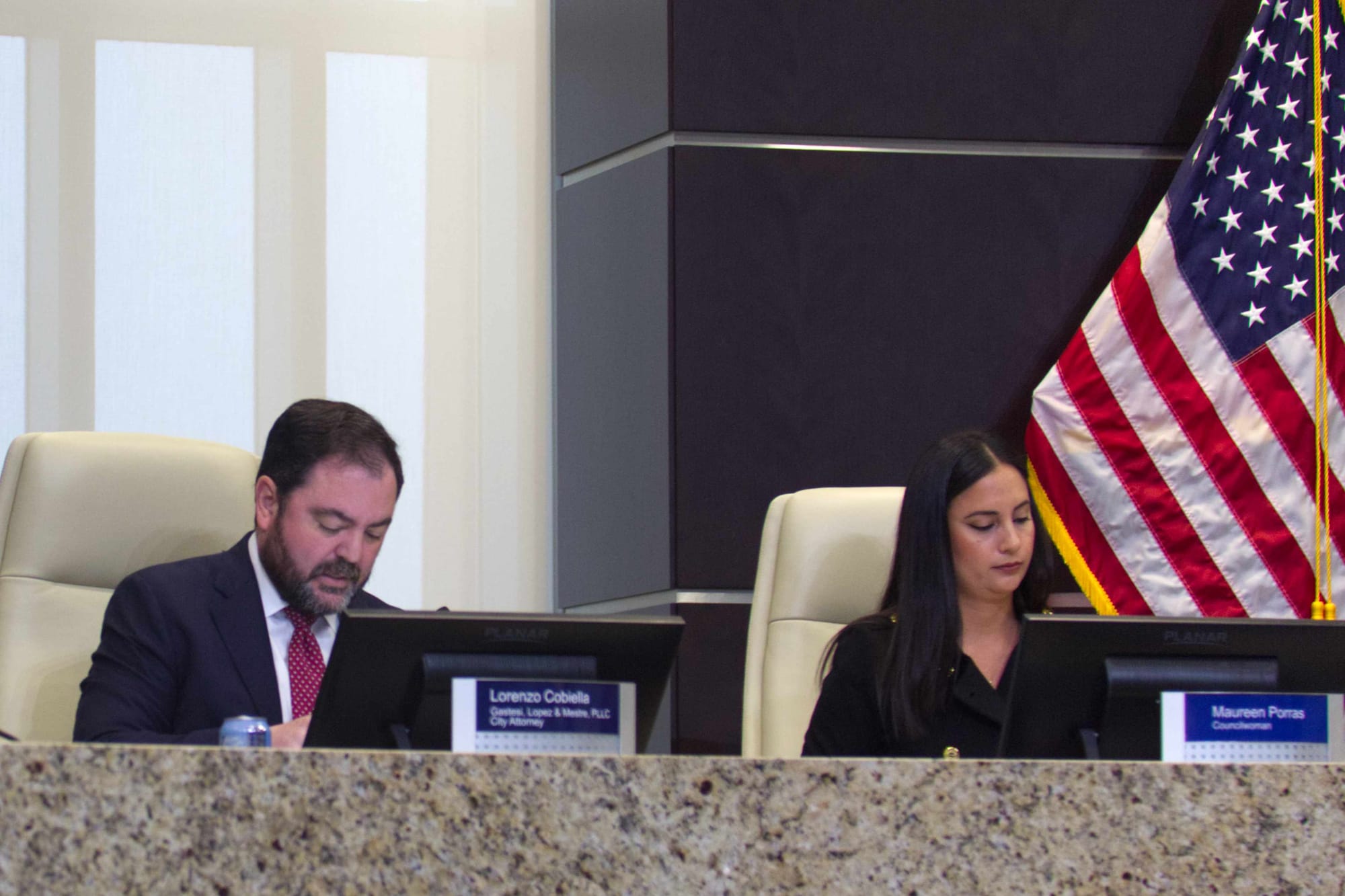
"All I wanted to do was bring this up to the council, be able to discuss it with my colleagues ... discuss it with the attorney, and also with the community. And unfortunately, we are getting blocked from even doing that," Porras told local commentator, Jim DeFede, for CBS News Miami’s Facing South Florida.
Florida's "Sunshine Laws" make it illegal for her to discuss city business outside of a formal meeting.
The Miami New Times paraphrased Cobiella's warnings to the city council thusly:
the city’s elected officials cannot so much as hold a public discussion about whether the city should continue to work with Immigration and Customs Enforcement. His given rationale: a vague possibility that ICE might get upset or that Florida’s attorney general might disapprove. Cobiella said the item would be kept off of the City Council’s agenda indefinitely out of concerns the state government might punish Doral.
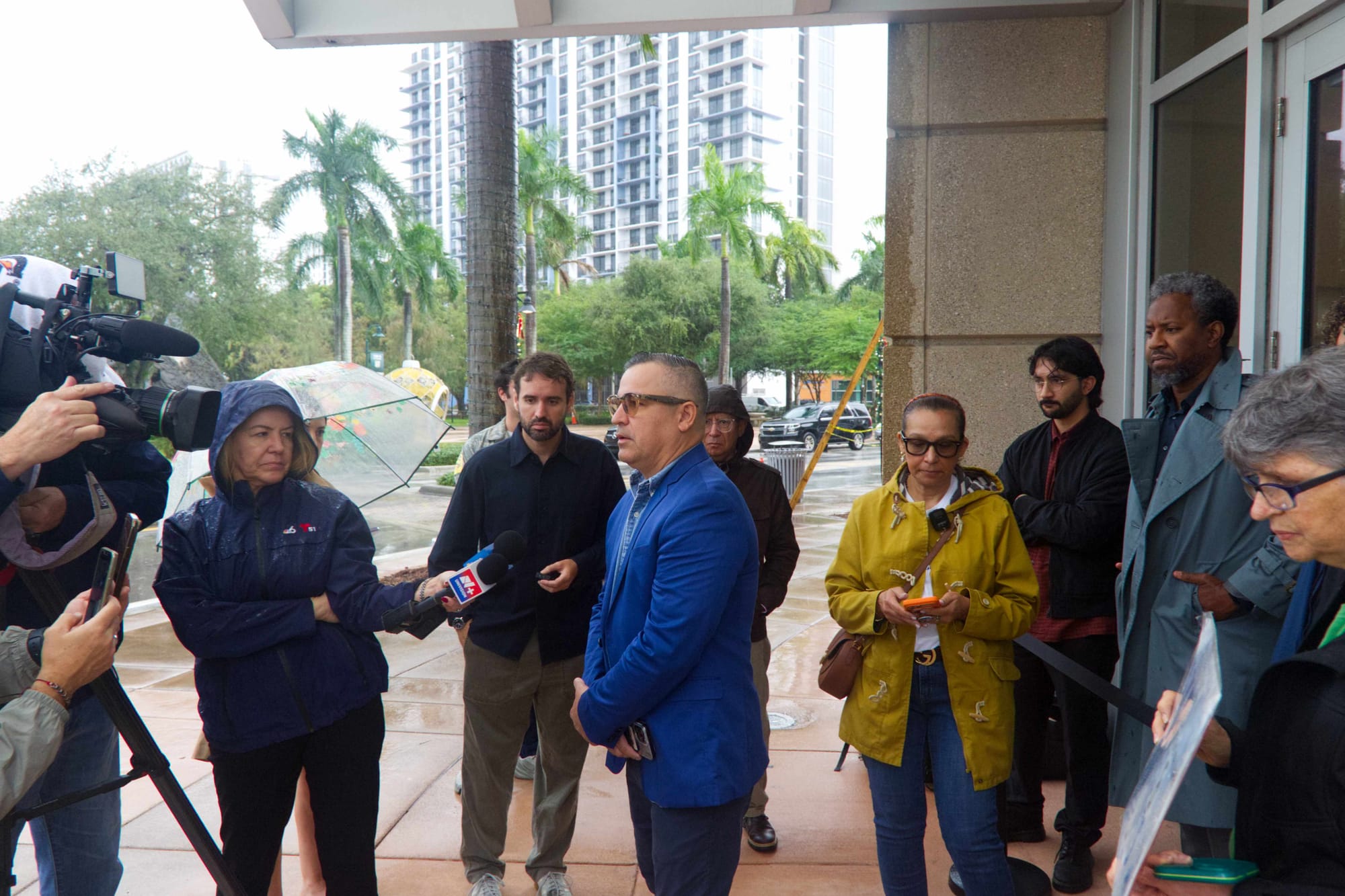
Yet, as was the case 190 years ago, the press immediately latched on to this story and seems to be favoring the councilwoman, on the basis of her right to free speech and the right of her constituents to be heard.
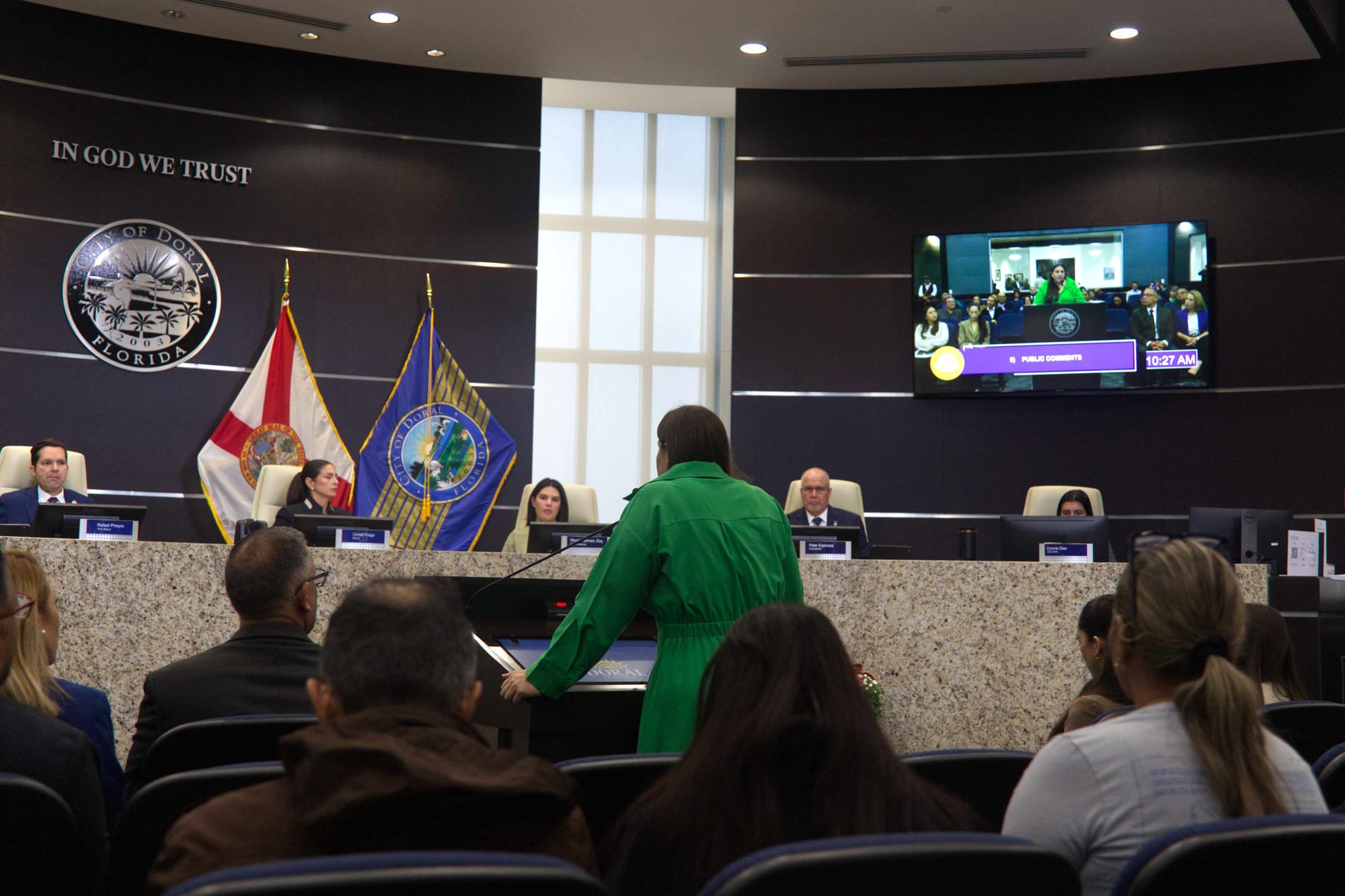
An immigration rights attorney challenged the City Attorney's interpretation of the law on multiple fronts, including the fact that the Attorney General wasn't really citing laws that the council might break so much as making threats. She also pointed out that the Attorney General does not make the laws and just because he says something doesn't mean it is the law.
Given an opportunity to speak I pointed out that it appears the Attorney General broke several laws when he rushed together the so-called Alligator Alcatraz. I didn't mention that he appears to have been engaged in fraud with what's known as the Hope Florida scandal.
In 1844 when John Quincy Adams finally ended the Gag Rule it was a coalition of abolitionists and people who were just plain angry that a member of congress, and his constituents, were told they couldn't discuss a topic. Americans hate being told to shut up.
The only thing they may like less are cowards.