Goodbye January--week ending January 30, 2026
Introduction
Increasingly, I have a hard time remembering back to the beginning of the week by the time I start putting this together (and a format change is coming to TWIFL soon because of that, in part). So much that is truly important is going on locally and nationally it's just hard to keep track of. Let's jump into it, but first let's remember the words of Rev. Dr. Martin Luther King Jr. that drives this newsletter.
“We must accept finite disappointment, but never lose infinite hope.” Martin Luther King Jr. in Washington Dec in February of 1968.
Table of Contents
Buy Local! Not an ad–an endorsement!
Finite
Disappointment
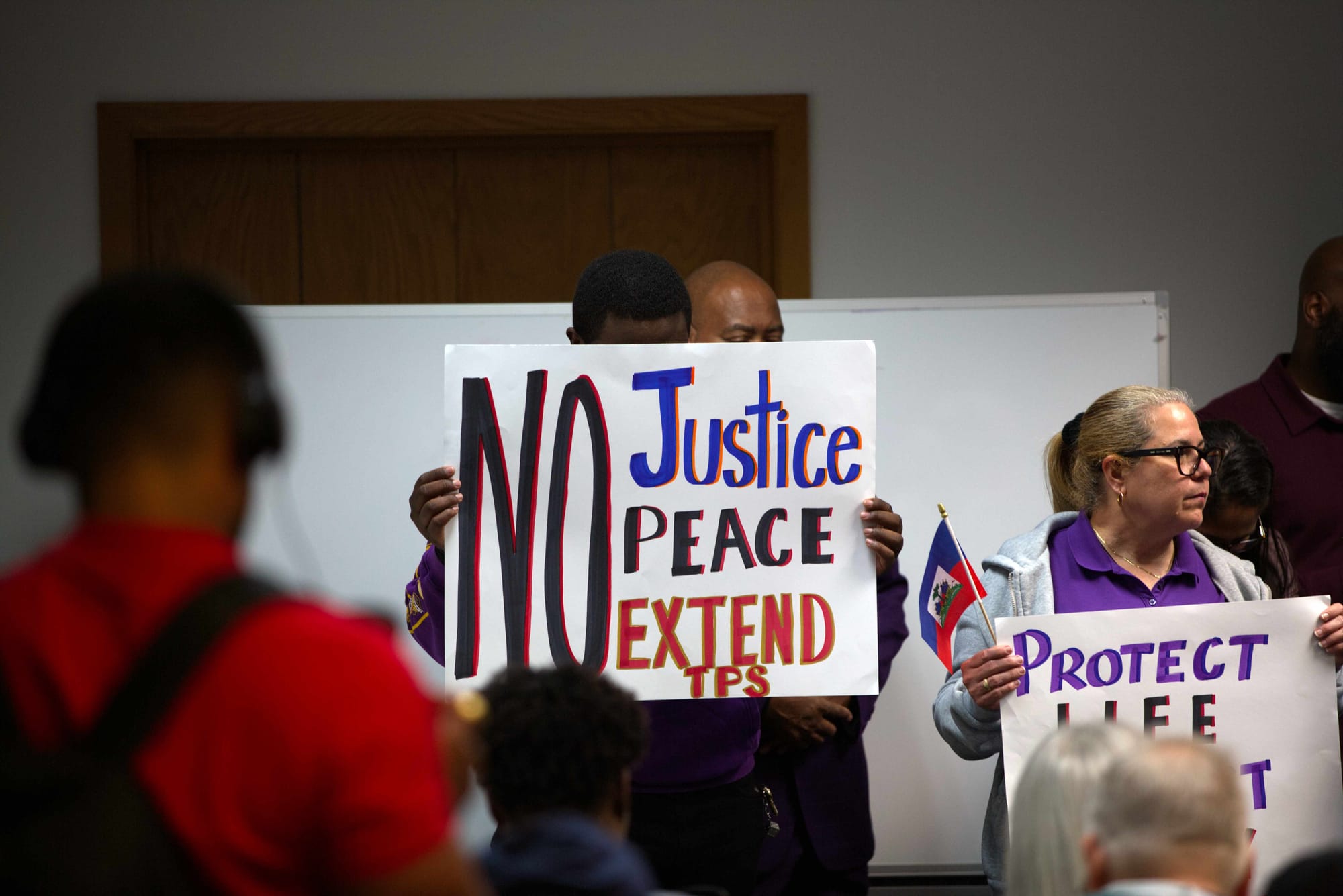
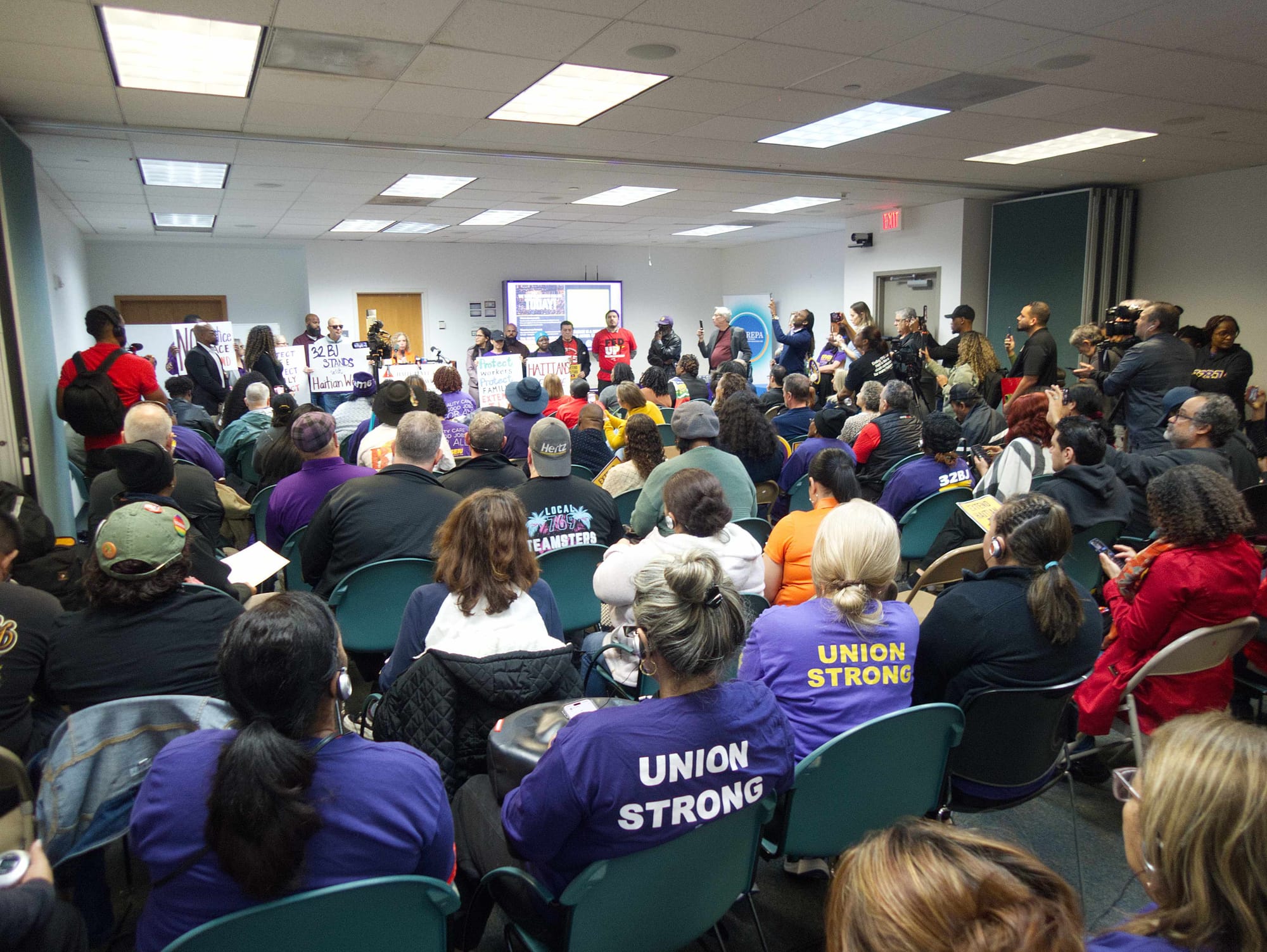
What Temporary Protected Status is and why its different from the immigration stories dominating the news
This newsletter has spent a lot of time lately talking about the end of Temporary Protected Status (TPS) for Haitians living in the United States.
Why?
It's not just because we here at TWIFL love our Haitian neighbors and brothers and sisters, it's because most Americans don't understand what TPS is, why Haitians presently have it, what ending it means for both the Haitians and the US economy, and how this is in fact different than the Trump Administration's immigration policies that are dominating the news.
Here's the short of it: because Haiti is dangerous right now, Haitians living in America that would otherwise be considered "undocumented" are given a document granting Temporary Protected Status, which allows them to legally live and work in the United States until Haiti is safe enough to return.
Right now, Haiti is so dangerous the United States has designated the country too dangerous for Americans to enter under any circumstances.
While people living in the United States from several other countries have TPS, the Trump Administration is ending TPS for Haitians on February 3, next Wednesday.
I wrote this post Friday going into detail about this and what you can do. I think it's the most important thing I've posted here. Please read it.
 Philip Cardella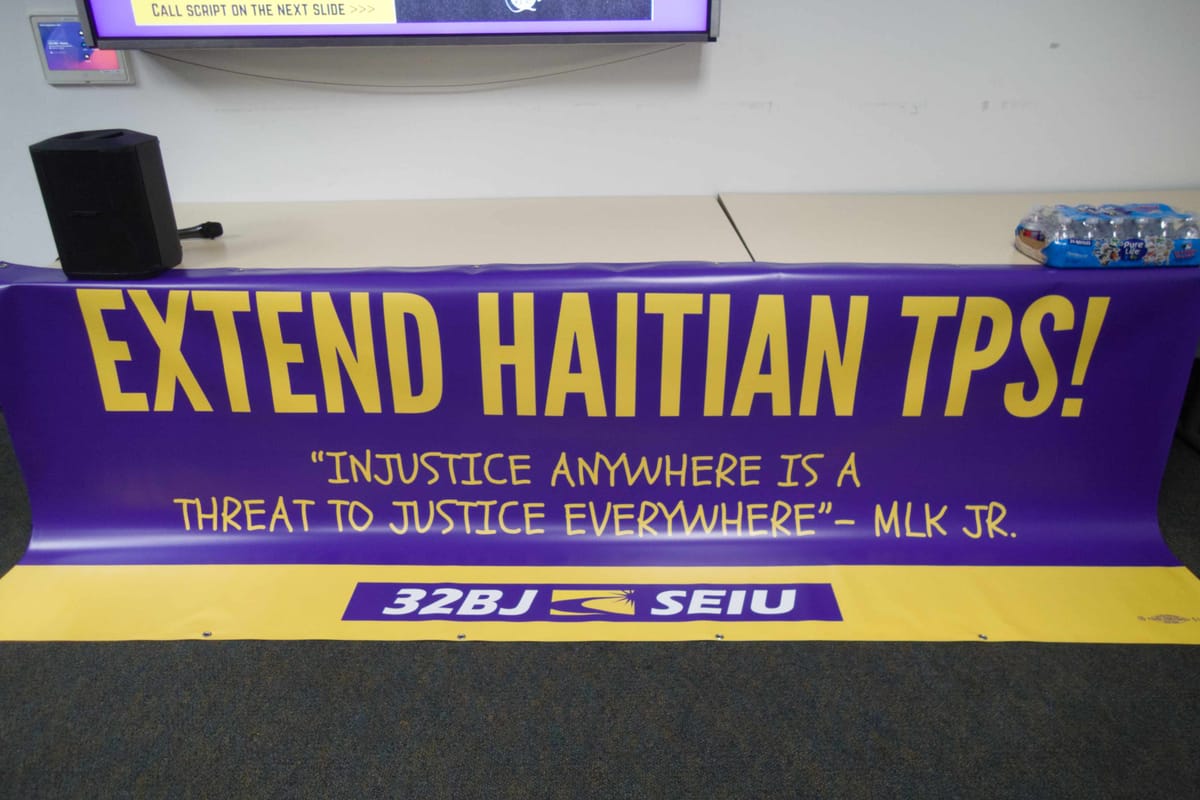
Florida
Gonna Florida
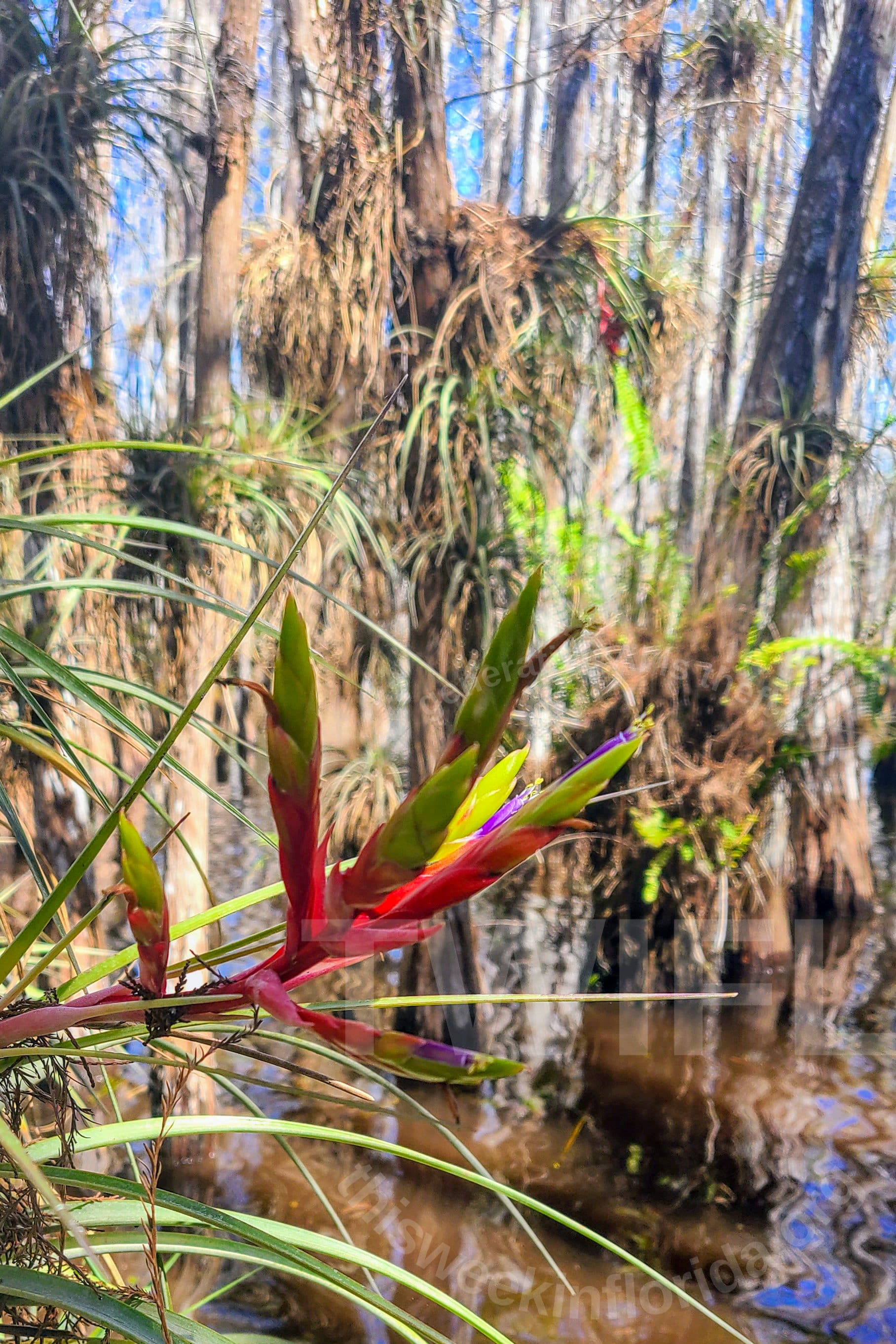
While this section is often about the legendary Florida Man, there are certainly times when its about things that are uniquely Florida. What's more Florida than an ankle deep slough-slog through the Everglades with a people who have lived in Florida since before Europeans even reached the peninsula?
 Sofia Baltodano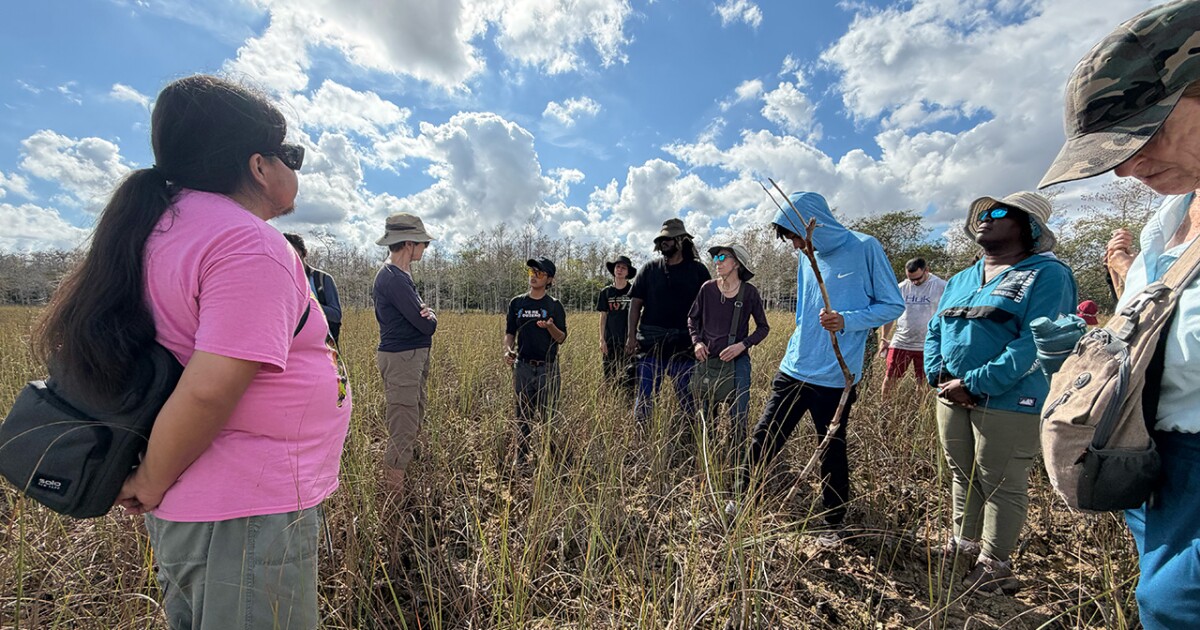
Of course, Florida Man shows up and says "Hold my beer and come look at my house."
 Will Neal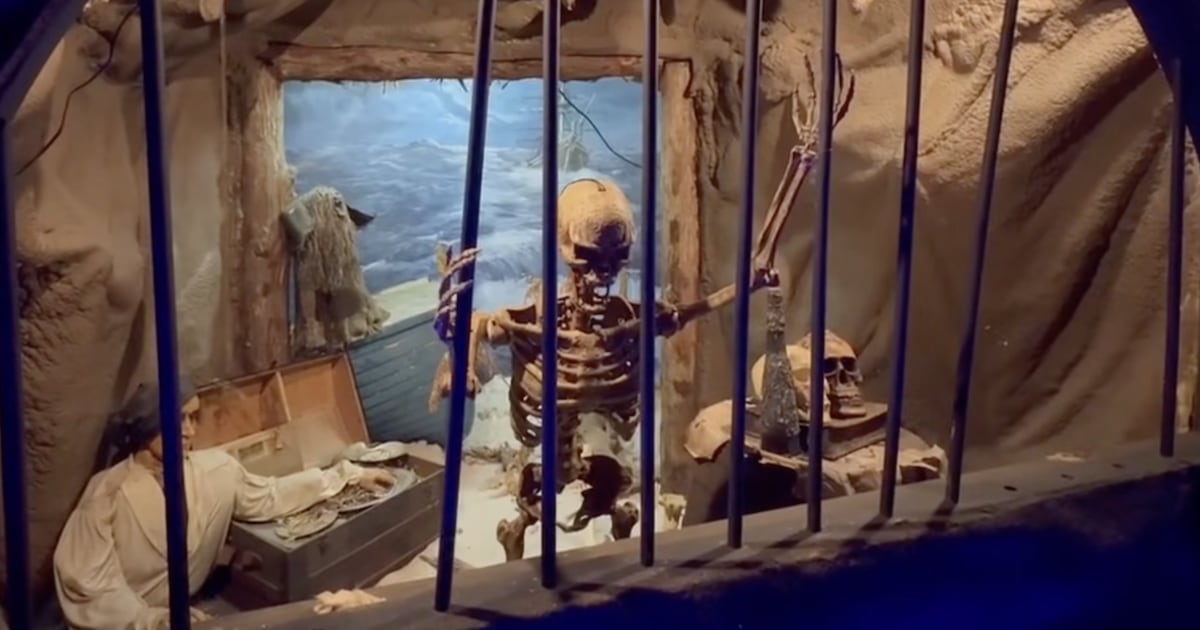
Buy
Local! Not an ad–an endorsement!
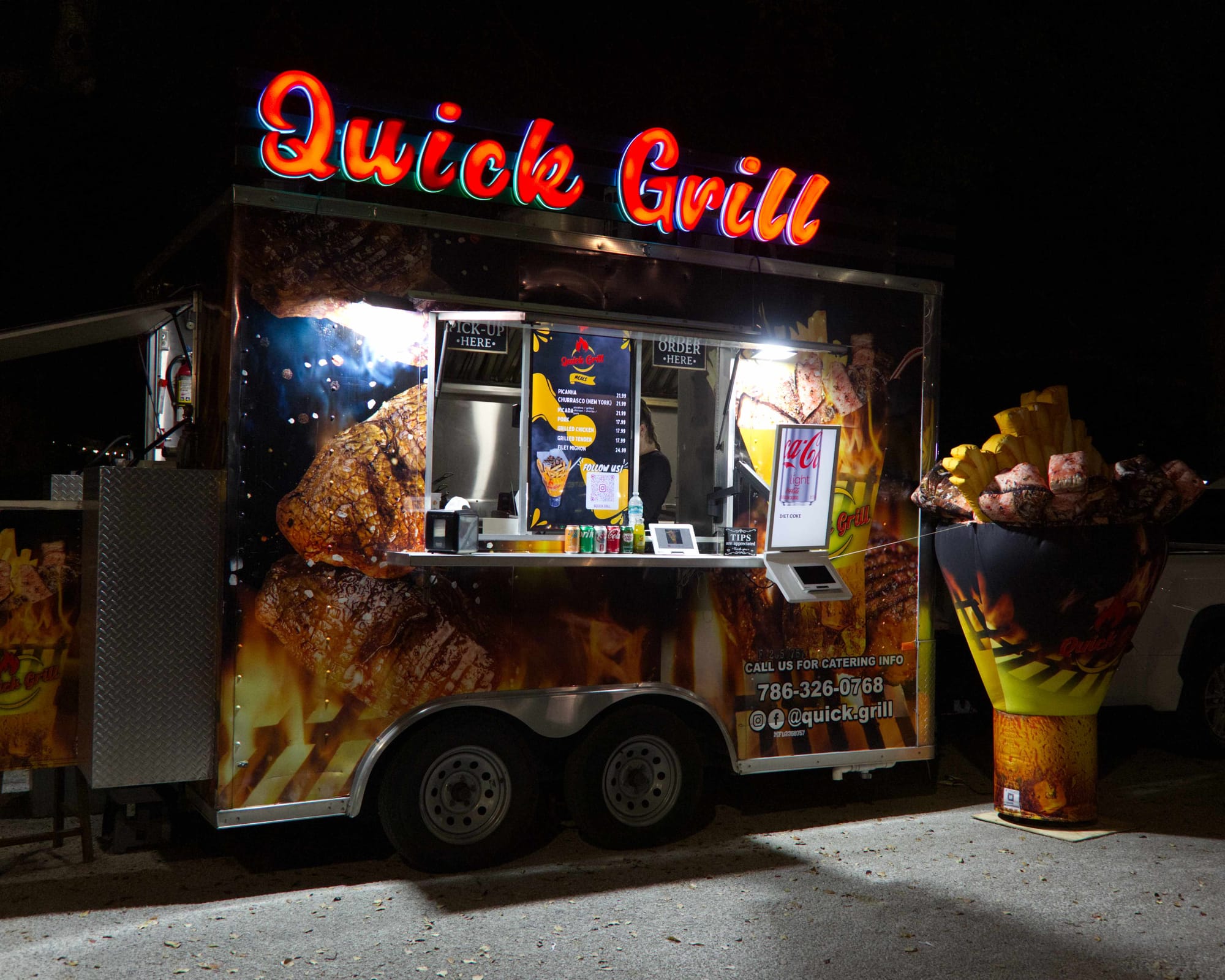
Food Trucks Festival(s) in Miami-Dade County!
Did you know that there is a food truck festival five days out of every week in Miami-Dade County?


I started writing this post because I assumed the one by my house in Tropical Park was the only one! But as I looked into the official name of the event I realized that there are four others around the county.
Tuesdays at Haulover Park
Wednesday at Pelican Harbor Marina
Thursdays at Oaks Park
Fridays at Tropical Park
Saturdays at Amelia Earhart Park


Food trucks are, for the most part, owned and operated by some person who sweats their ass off in that truck to serve you the food themselves. It's (usually) as local as it gets and more often than not delicious!
At least at the Tropical Park location there's always entertainment for kids and a live DJ. It's great fun for the whole family. It isn't easy on the wallet, but at least your money is staying local!
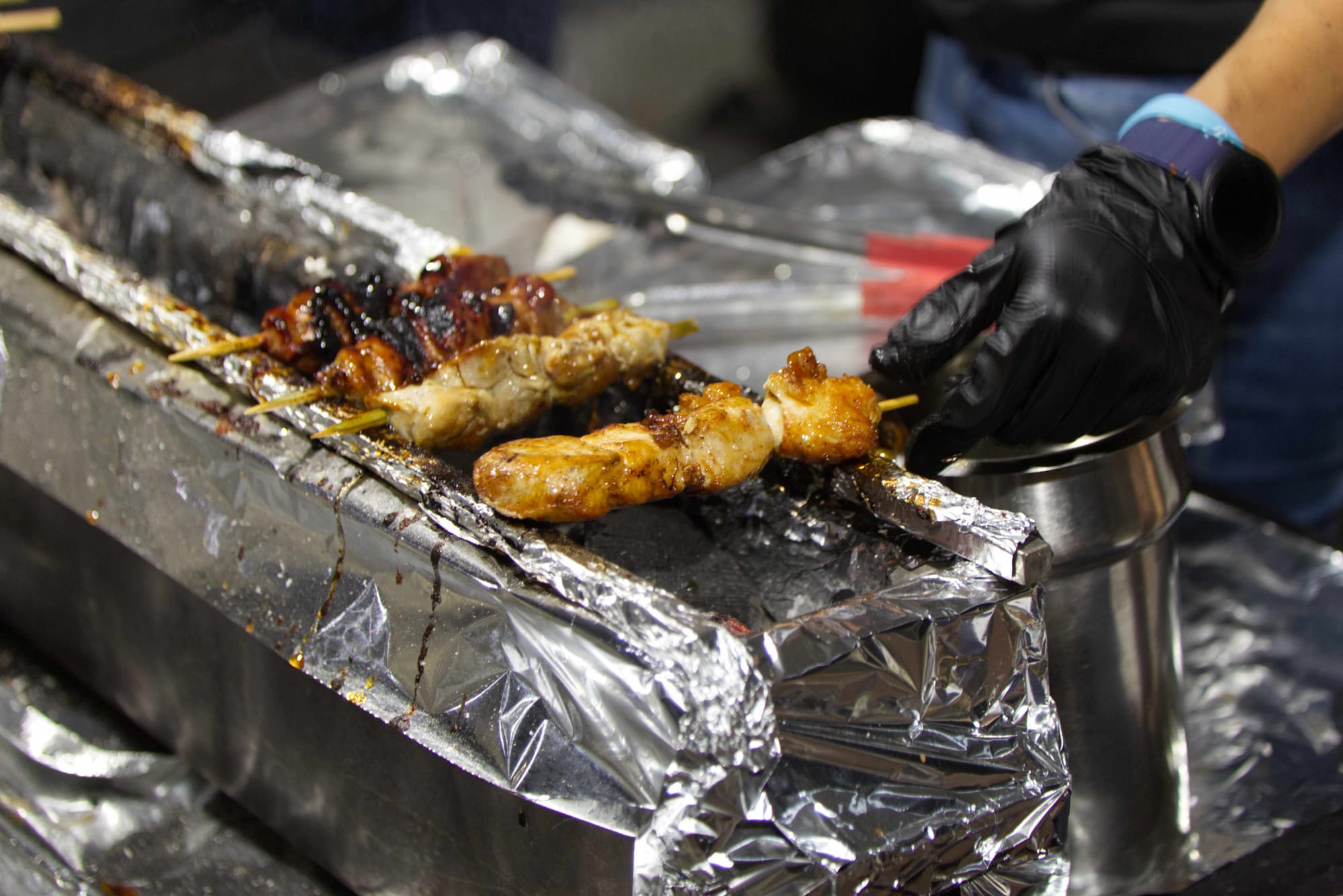
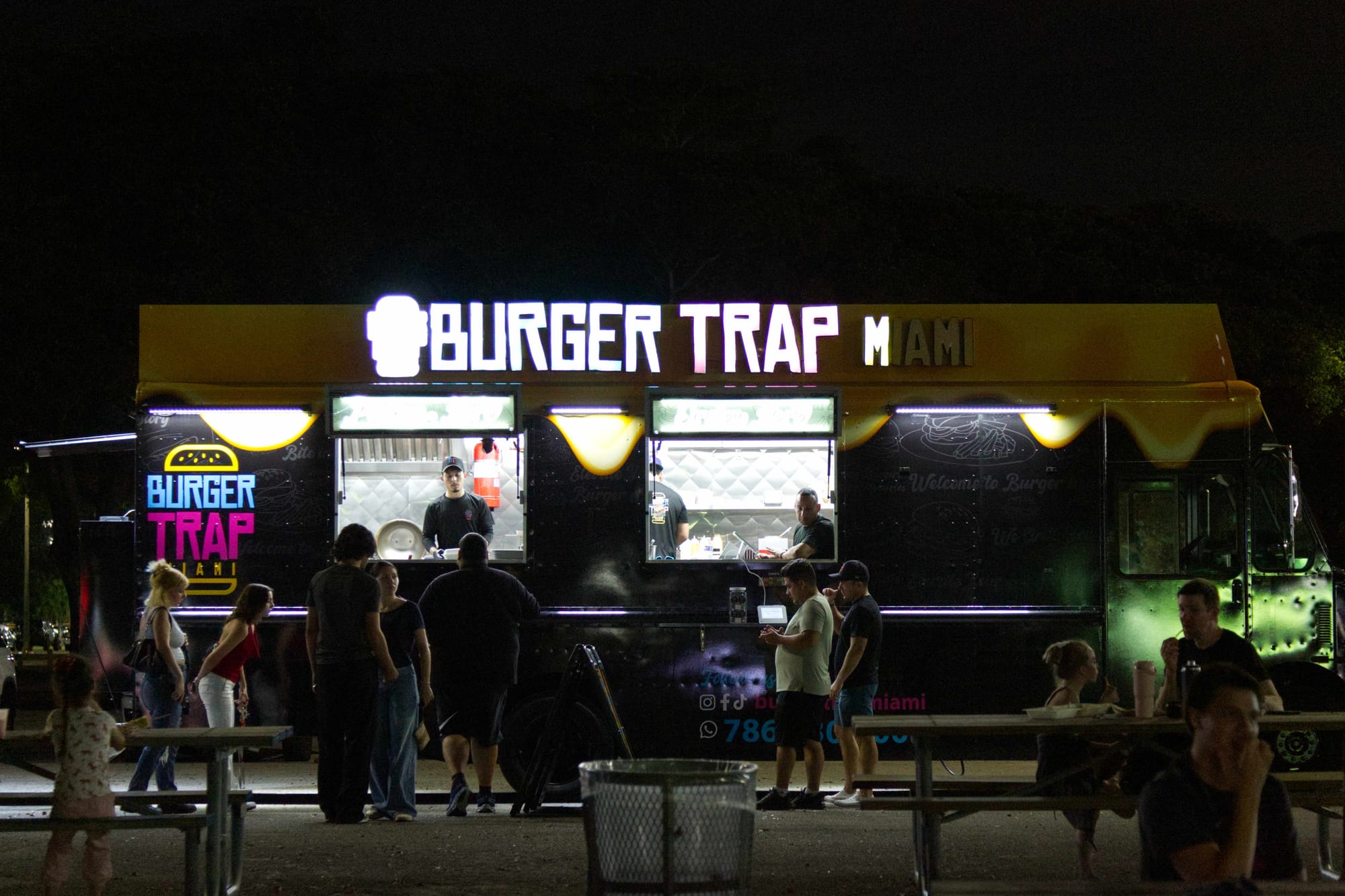
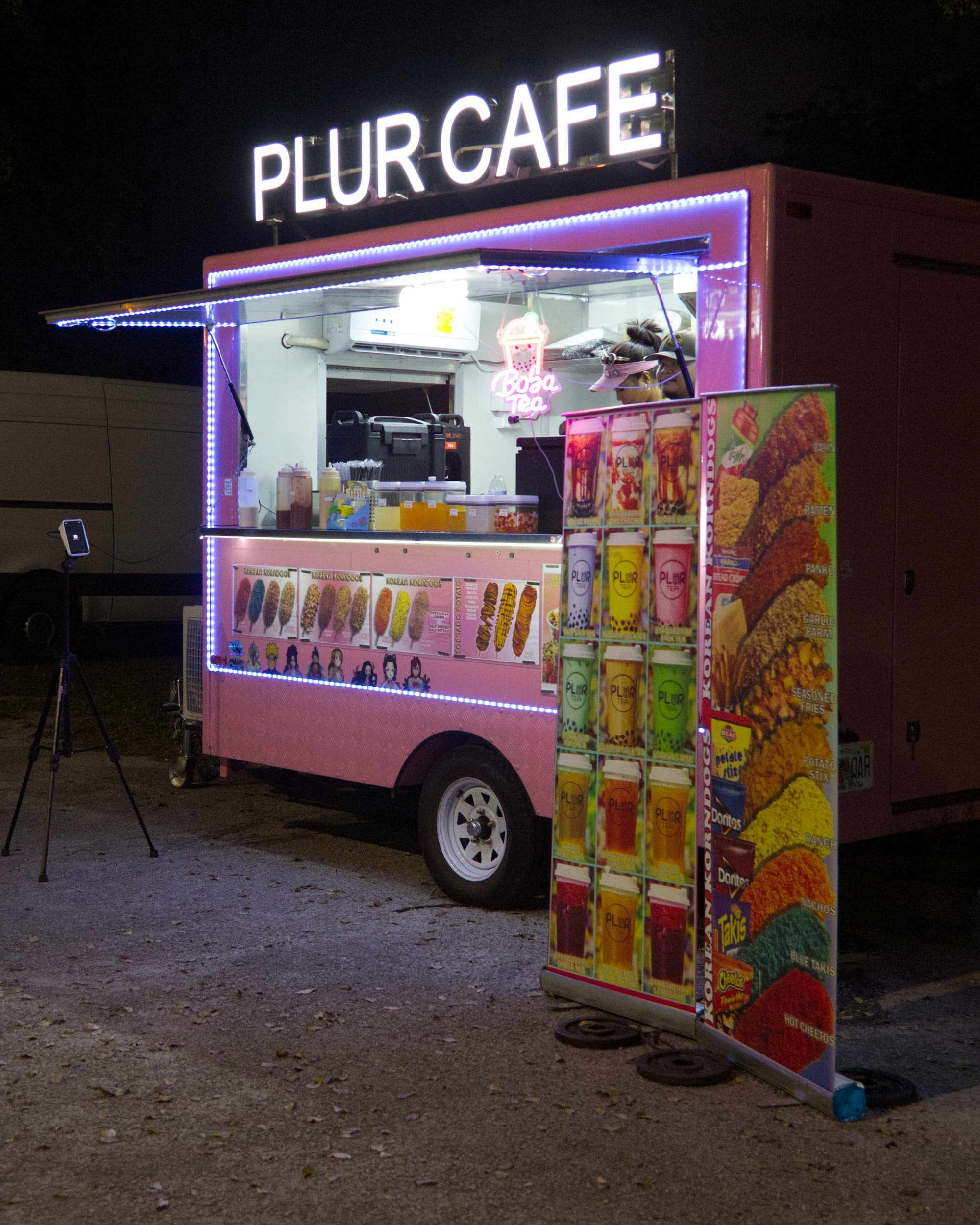
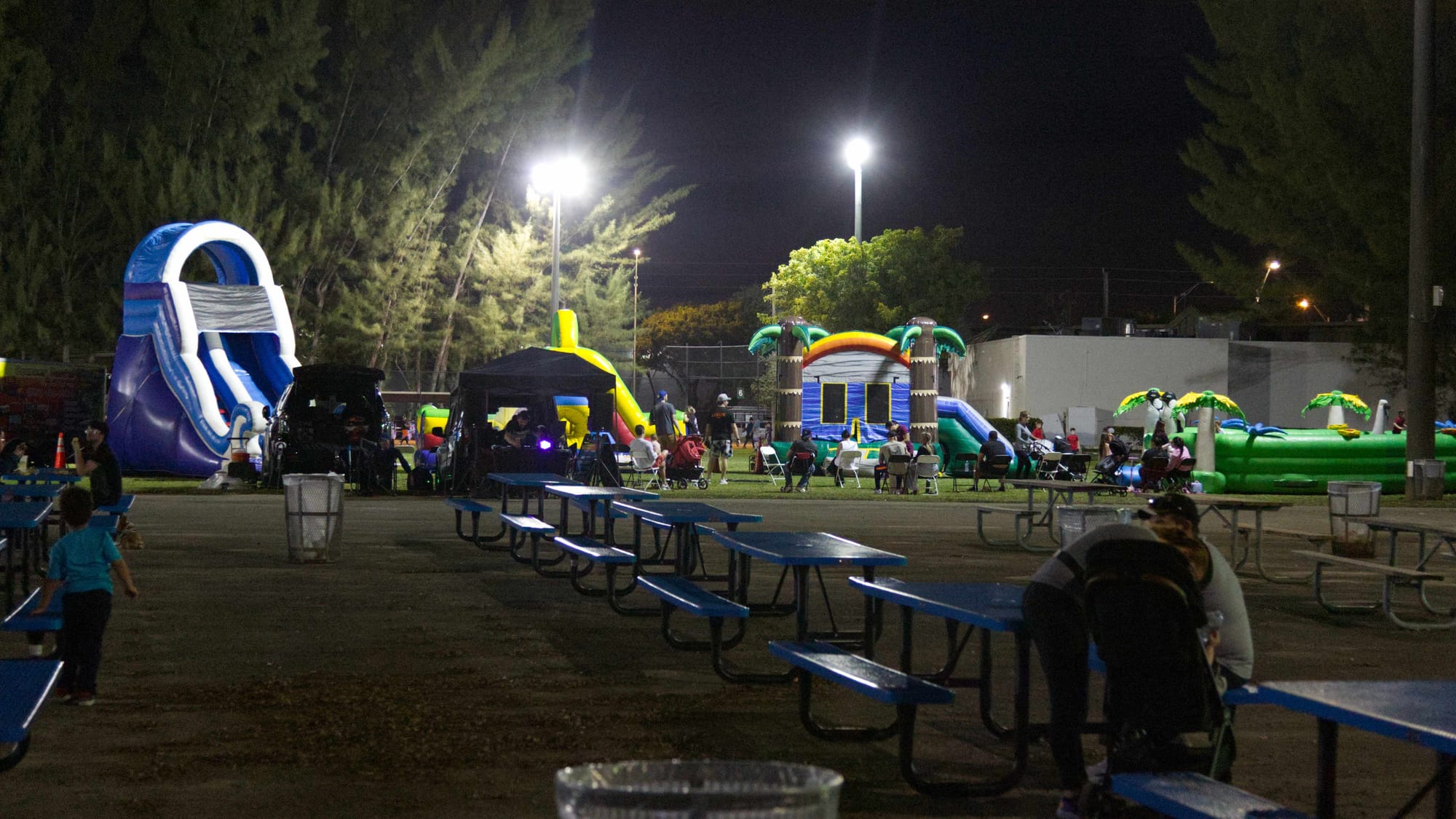
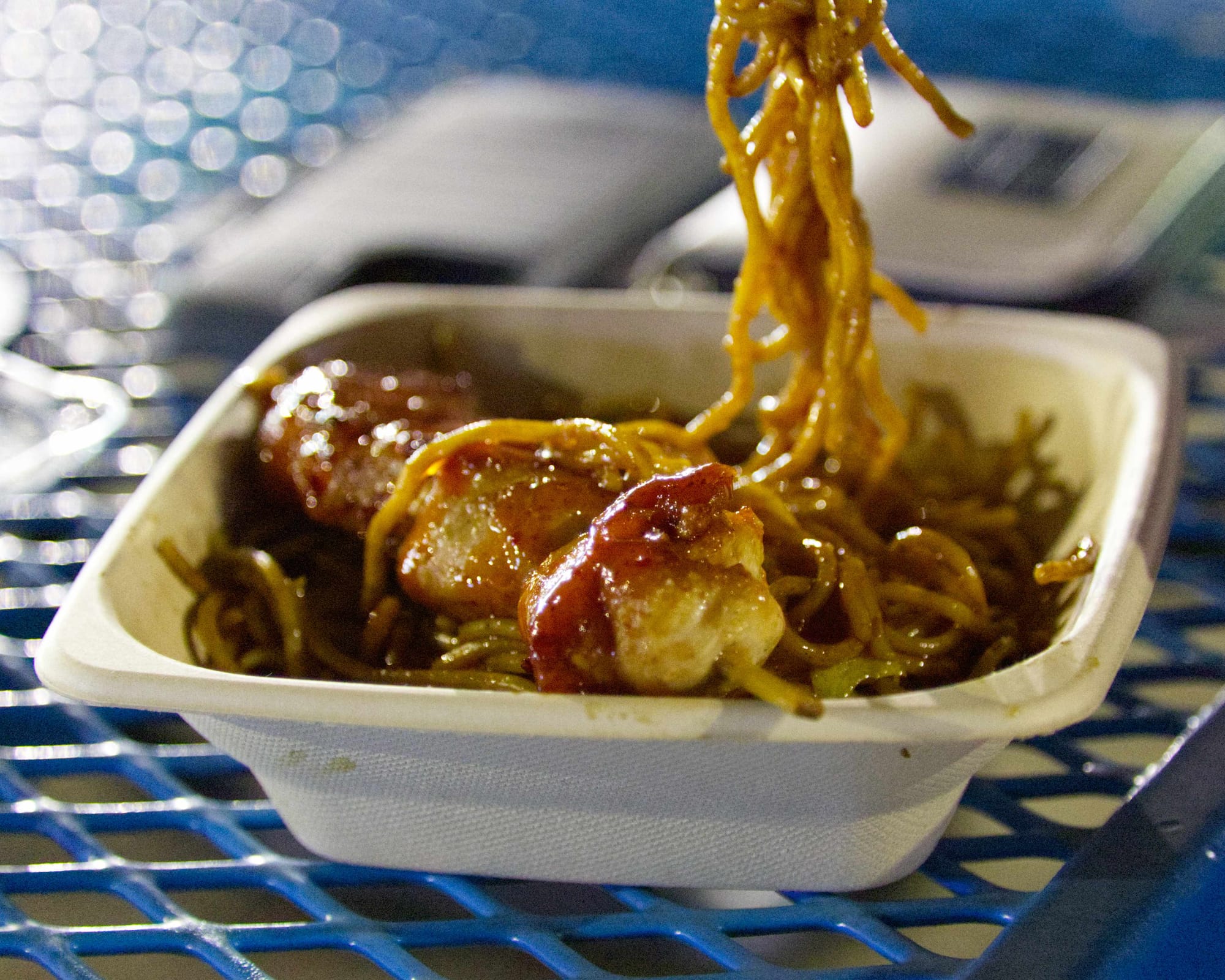
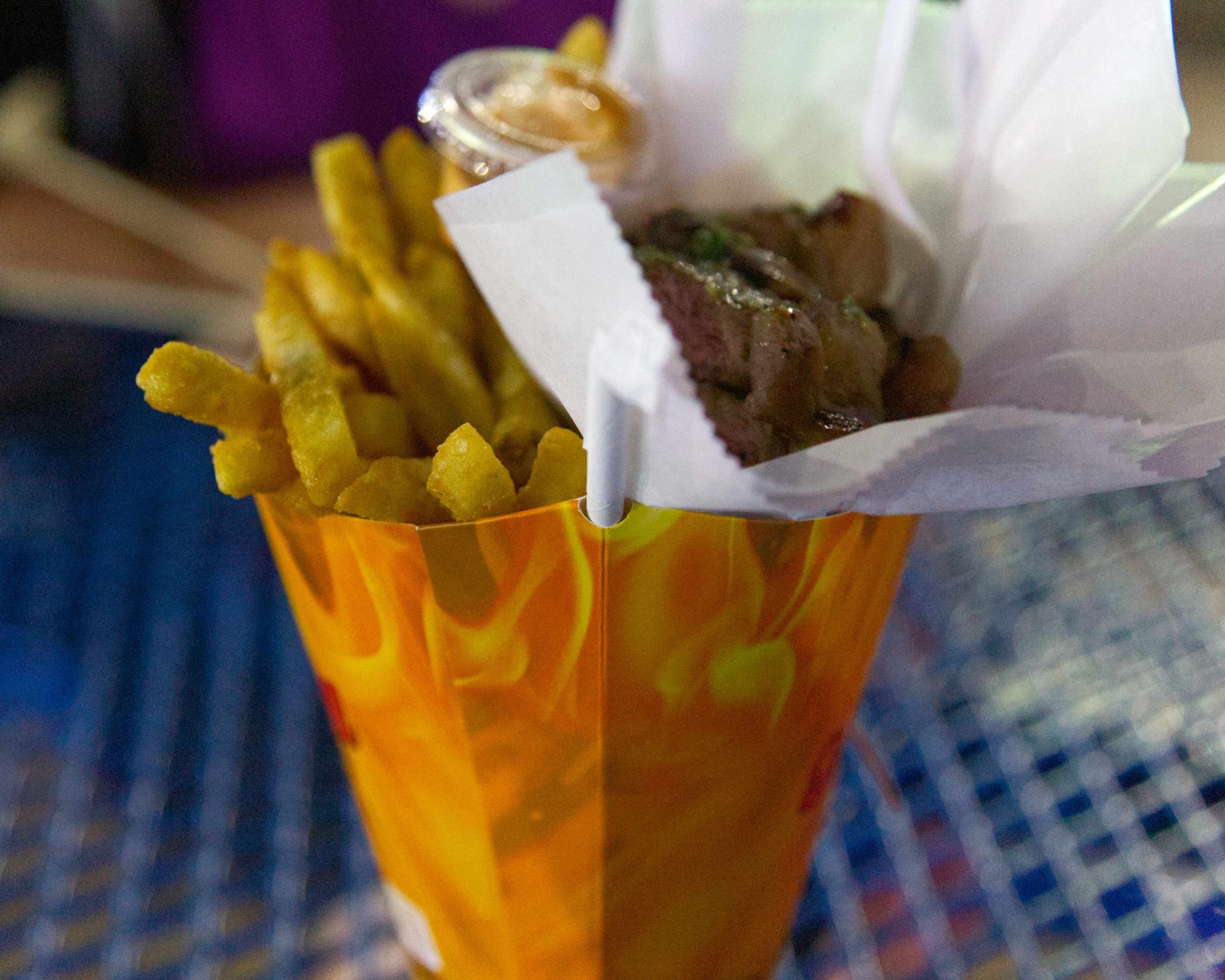
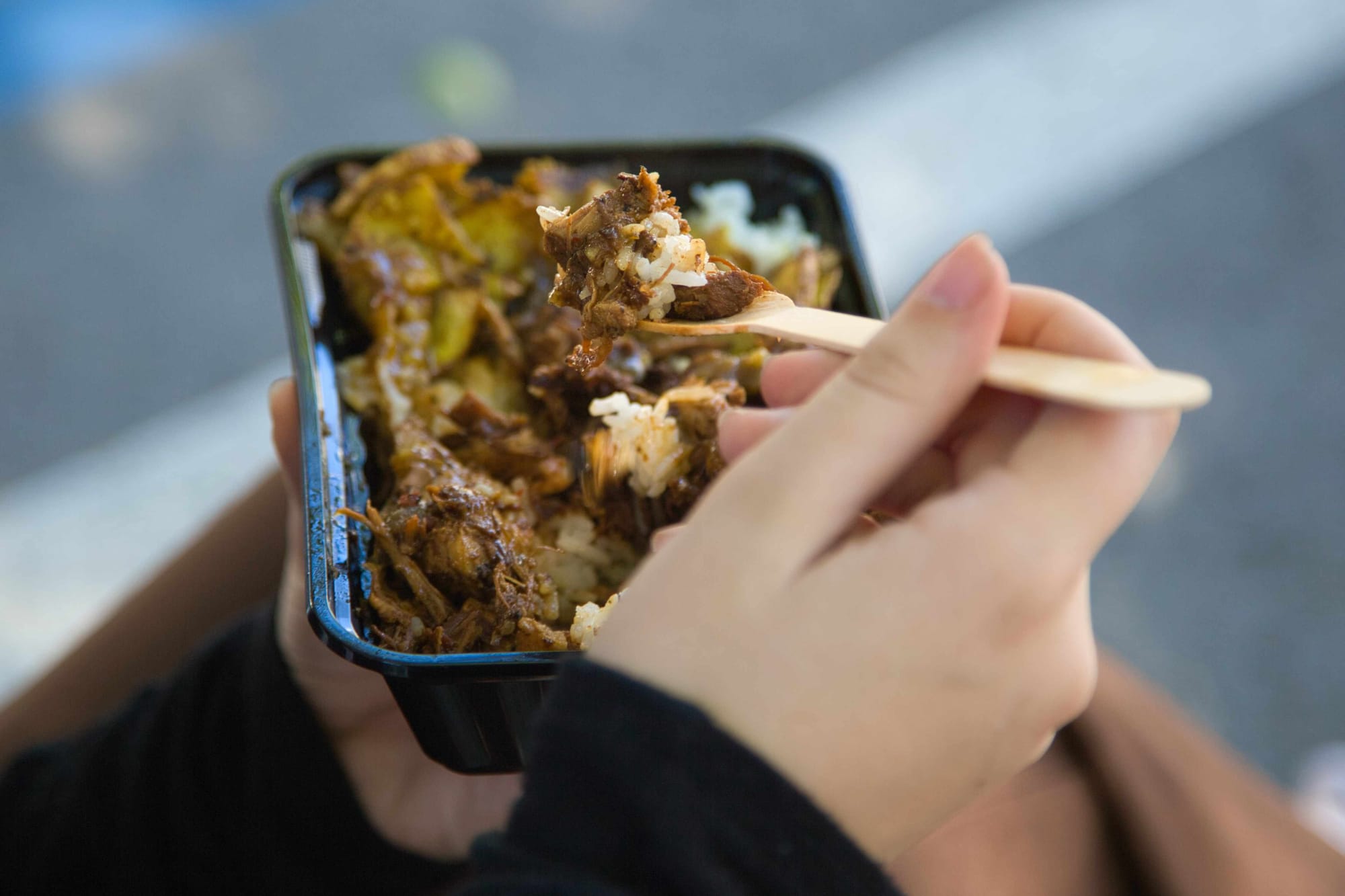
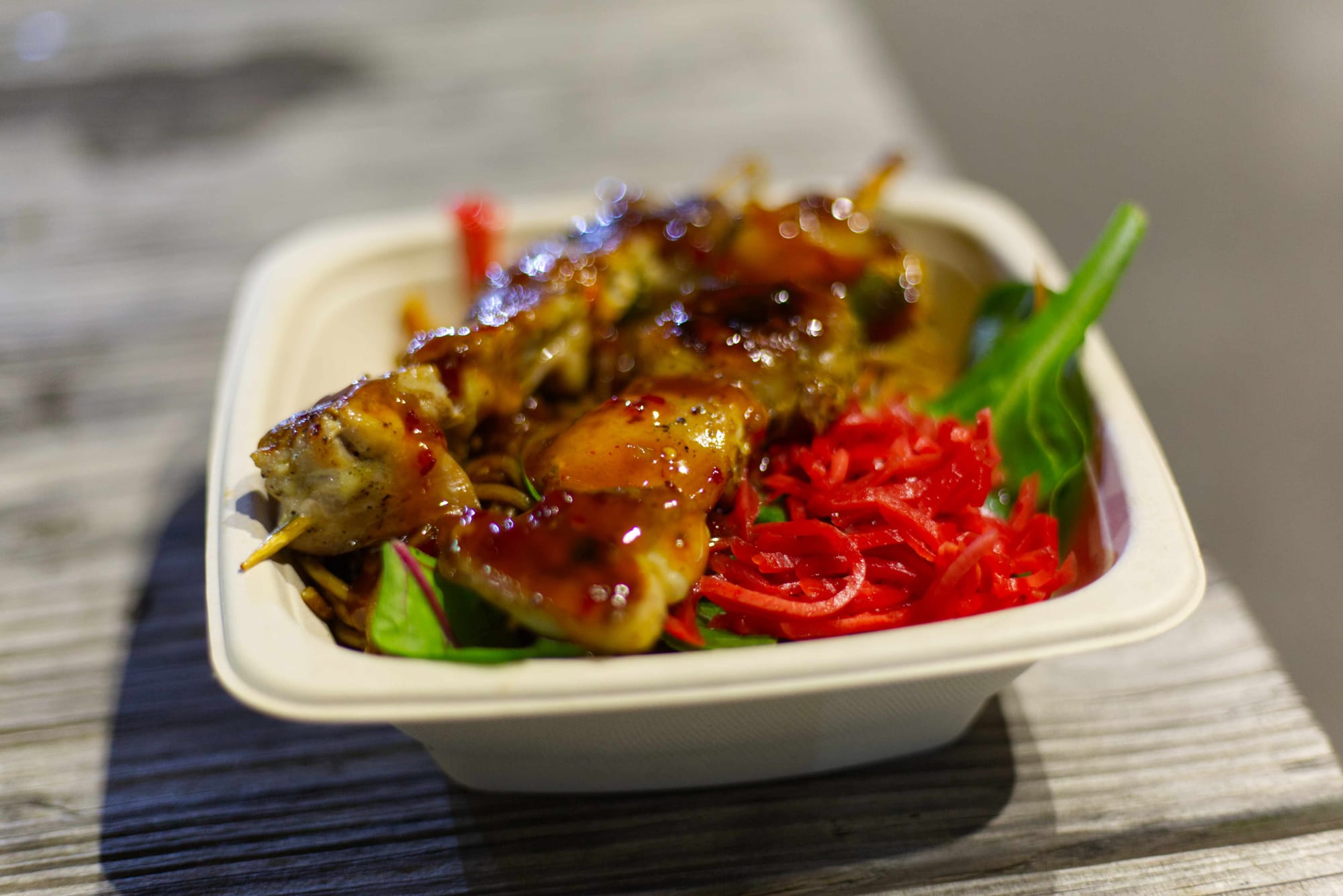
All photos credit Philip Cardella 2026.
Historic
Interlude
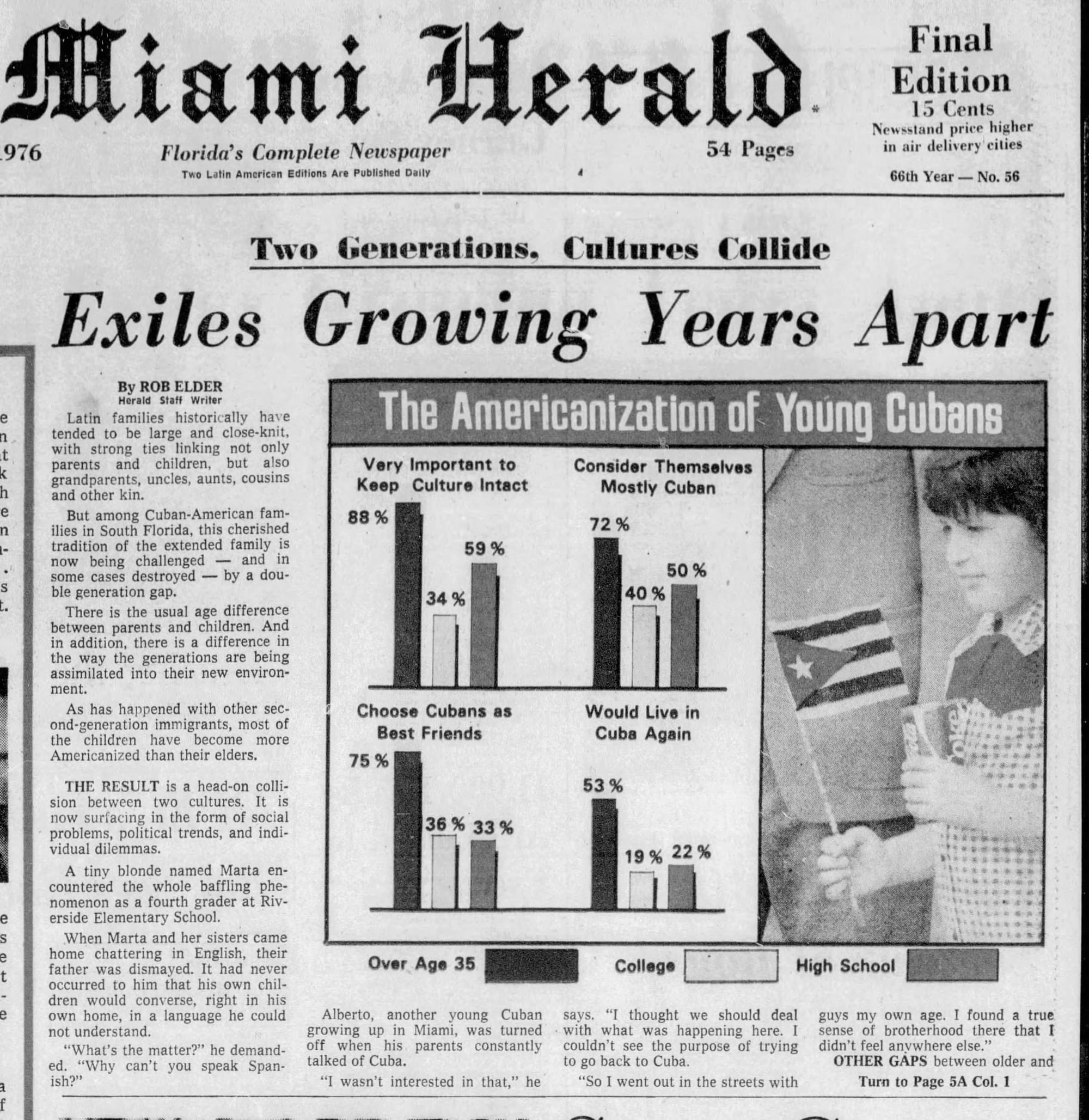
By 1976 it was already apparent to the people living in South Florida and to the Cuban exile community here, that being away from home for so long has costs. While the front page of the Miami Herald talked about this 50 years ago this week, it is a trend that has continued over the decades that the dictatorship in Cuba has forced the Cuban diaspora to grow both in size and in complexity.
Several books by scholars have studied this. The racial politics of division: interethnic struggles for legitimacy in multicultural Miami by Monika Gosin and Havana USA: Cuban exiles and Cuban Americans in South Florida, 1959-1994 by Maria Cristina Garcia are a couple of these.
Of course, the best book I know of on Cuba and her relationship with the United States is Cuba: An American History by Ada Ferrer but that book goes all the way back to before white people ever set foot on the island–it's long but absolutely essential.
This week's newsletter looks a lot at the plight of immigrants and it's worth remembering that Miami has always been a story of immigrants from the day it was founded using dozens of Bahamians to reach the critical number of 200 or so citizens to incorporate the city in 1896, through the massive influx of Cubans in the 1960s (and at least three subsequent massive waves) to the arrival of hundreds of thousands of Venezuelans fleeing Chavismo (Chavez started it, but its like MAGA, it's not just about Chavez or his hand picked successor Maduro), Miami has always been a city of immigrants and the hope, joys and challenges that they bring with them and they encounter as they try to make their way through life here in what has been called "the closest city to America."
Infinite
Hope
I'm not gonna lie, it's been a tough week. I think it was Thursday that I noted that, aside from the FBI and NSA seizing 2020 Georgia voting materials–something that didn't receive a fraction of the attention it merited–it was a reasonably quiet news day locally and nationally. I don't remember the last time that happened. That was the only day I felt like I could breath in 2026 so far. So, looking towards that infinite hope Dr. King talked about isn't easy but here we are.
While 50,000 people making a stand in temperatures that hit a thermometer temperature of -30 gives me hope, that's a national story not a local one. Or is it?
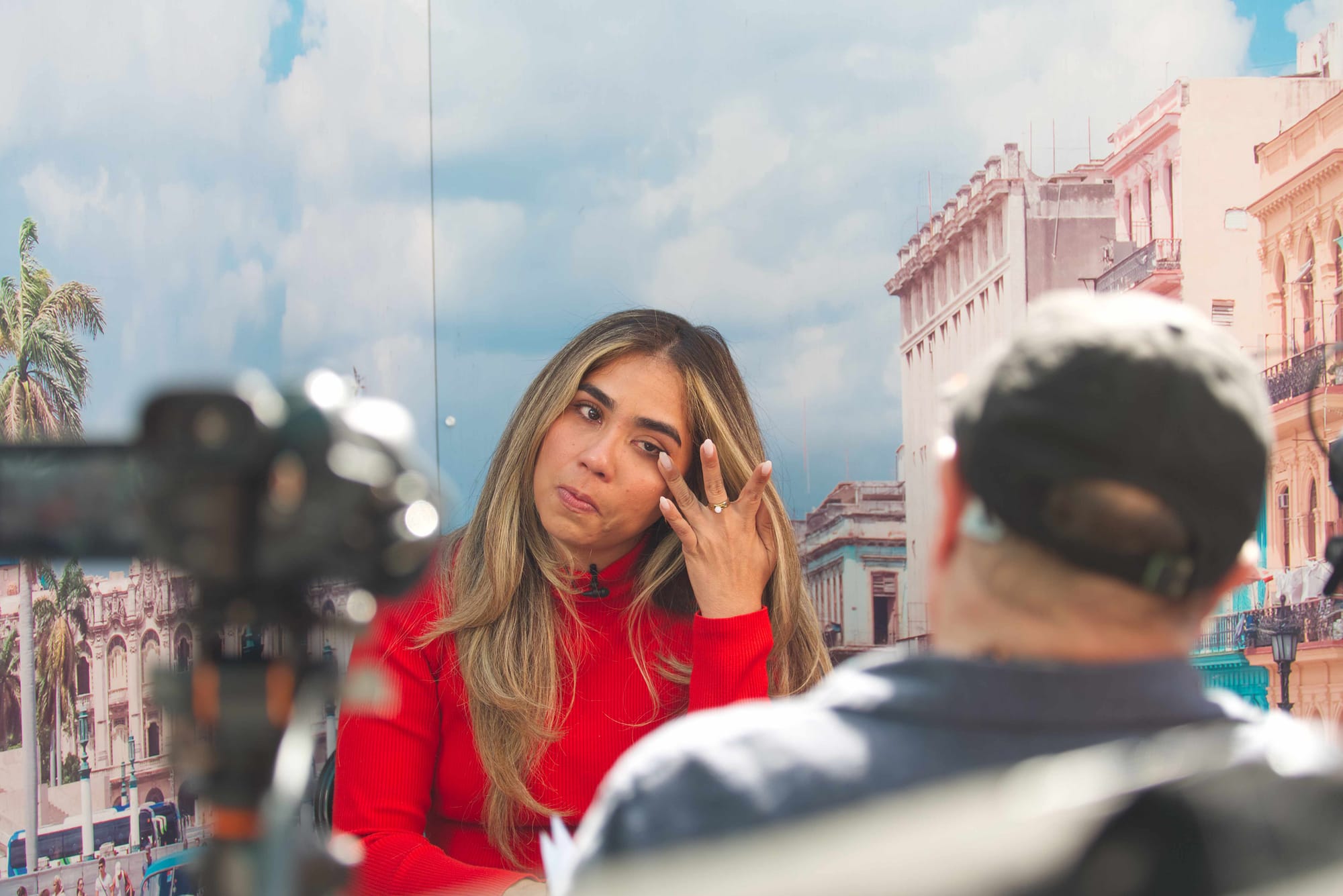
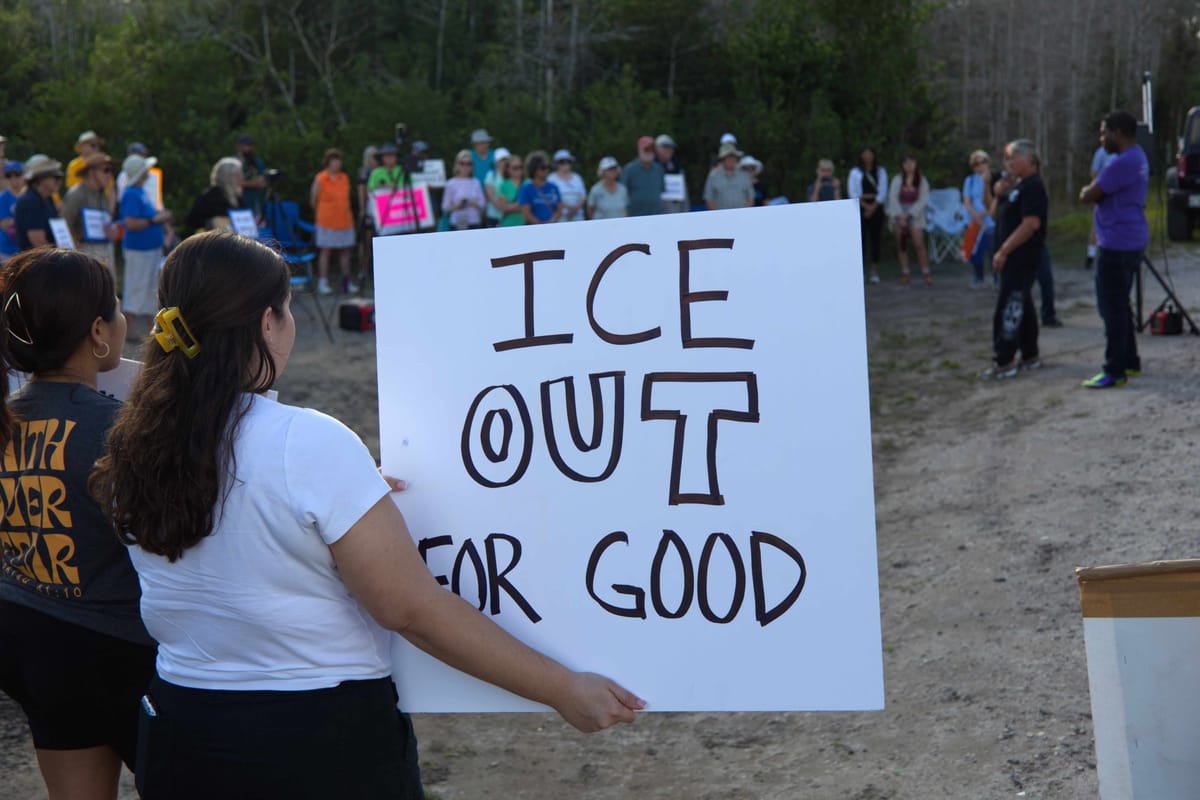
On Thursday I, along with two other people, interviewed a young woman named Arianne Betancourt about her father's detainment by ICE, mostly at the so-called Alligator Alcatraz. But this week, just before attending the 26th weekly Sunday prayer vigil outside of the detention center that has held her father with no charges for months, she got back from Minnesota and the protests there.
Arianne was inspired and filled with hope by that gathering despite being pepper sprayed and having to wipe away resulting snot icicles from her nose.
As you know, communities in action for one another are, in my view, a sign of that infinite hope Dr. King talked about not long before he was assassinated.
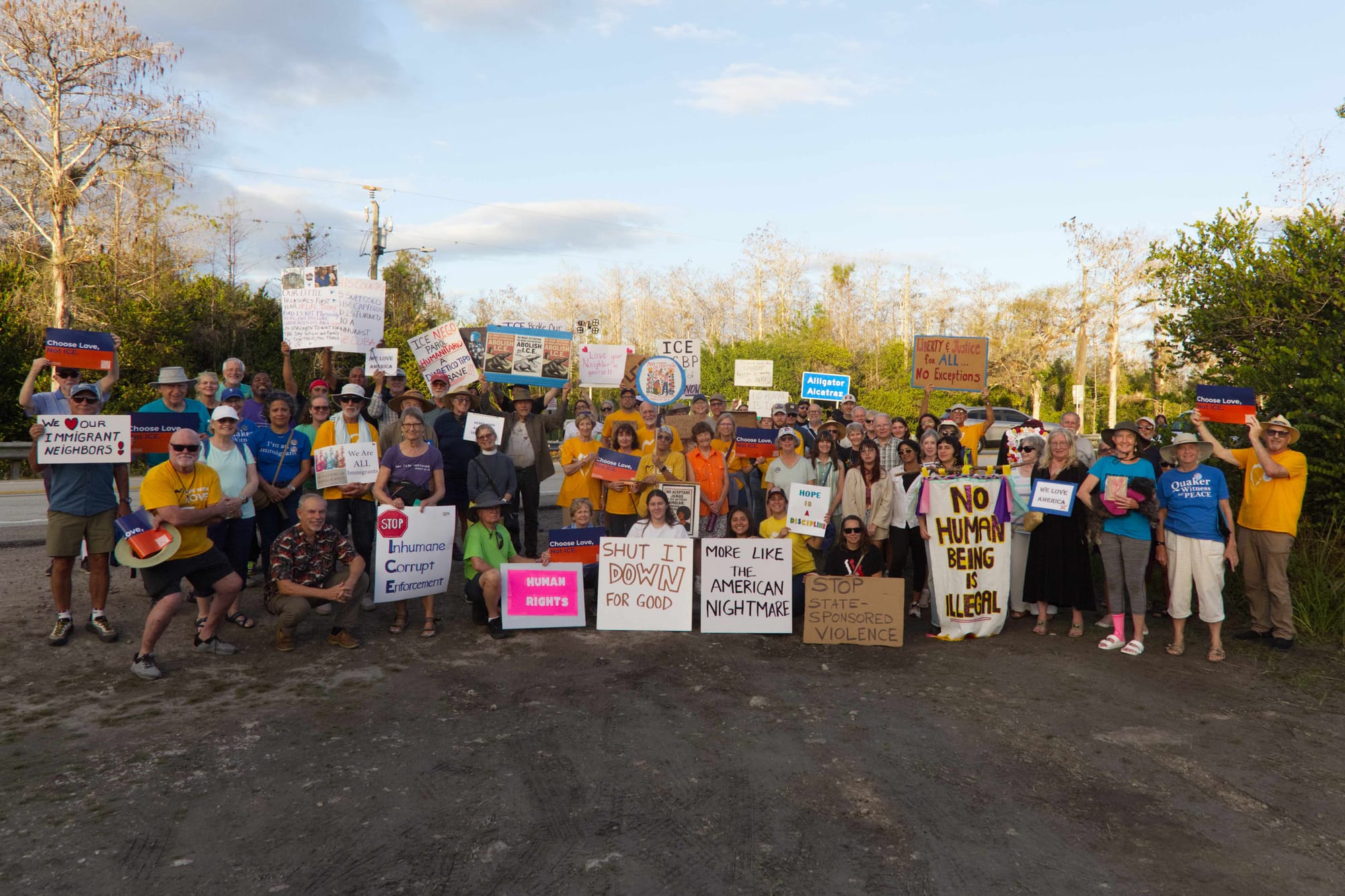
Whether it is prayer vigils for immigrants detained by ICE, DHS, and the state of Florida, people traveling from Florida (it was over 80 on Sunday when Arianne arrived home from -30 Minneapolis) to Minnesota to stand in solidarity with other people, or union members or clergy standing with our Haitian brothers and sisters, all of this reminds me of the infinite hope.

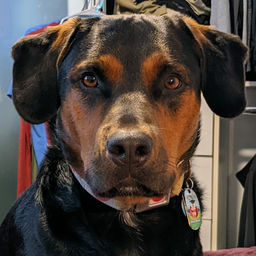
Bear
The History Hound Finds
 Matthew Delmont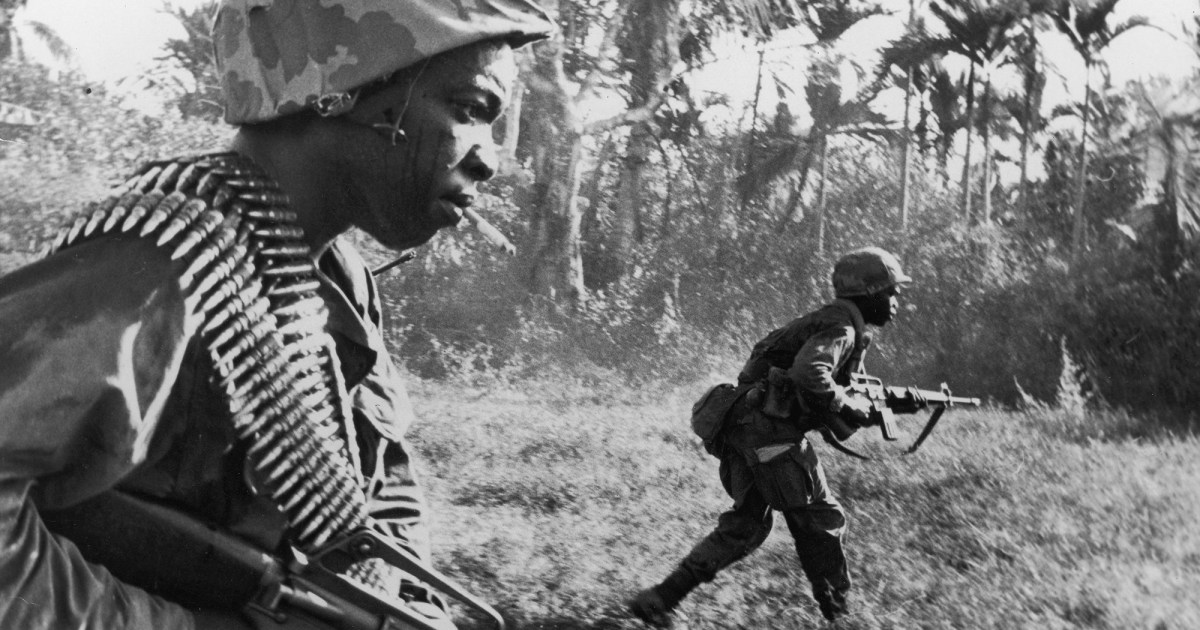
 Parker Molloy
Have a news or event tip?
Another great way to help TWIFL out is to send a tip about something going on in South Florida, especially something that is important to our community but may not be getting the coverage it needs. This can be anything from an ice cream social put on by kids to support a local retirement home to a protest for or against the current administration to an endangered species thriving or being threatened.
Though This Week in Florida is a labor of love it is in fact a lot of work. The hope, the plan, is to keep growing this work focusing on stories that make Florida and especially South Florida unique–whether those stories are about the good, the bad or the ugly.
You can help by sharing this newsletter with your friends.
And, of course, no newsletter would be complete, it seems these days, without an ask for money.
Help us grow! Donations of $50 or more will receive a free 8x10 or 8x12 photo from my collection.