Prayer vigils, fear and birds in Florida: the week ending January 16, 2026
Prayer vigils are often motivated by despair and fear but founded on hope and hope in community. Floridians are scared, so scared that when a top employee of the Miami Herald wrote a piece about Floridans being scared other McClatchy papers picked it up but the Herald did not. I was able to attend two this week and ended the week off with a lovely visit to the Marsh Trail in Collier County with my youngest.
Table of Contents
Finite
Disappointment
On February 3, just two weeks from now, Temporary Protected Status ends for hundreds of thousands of Haitians. I wrote about it in a Special Coverage post this week so I'll cut and paste that here, in case you missed it:
While the diseases running through the detention camp are extremely important and not getting the attention they deserve, arguably, the most important issue addressed during the 80 minute long vigil was what is about to happen to the Haitian community in the United States. A community that is disproportionately in South Florida and one that has Temporary Protected Status in the United States after the earthquake in 2010 rocked the island nation, causing an unstable government to functionally collapse.
 Tania Francois Tania Francois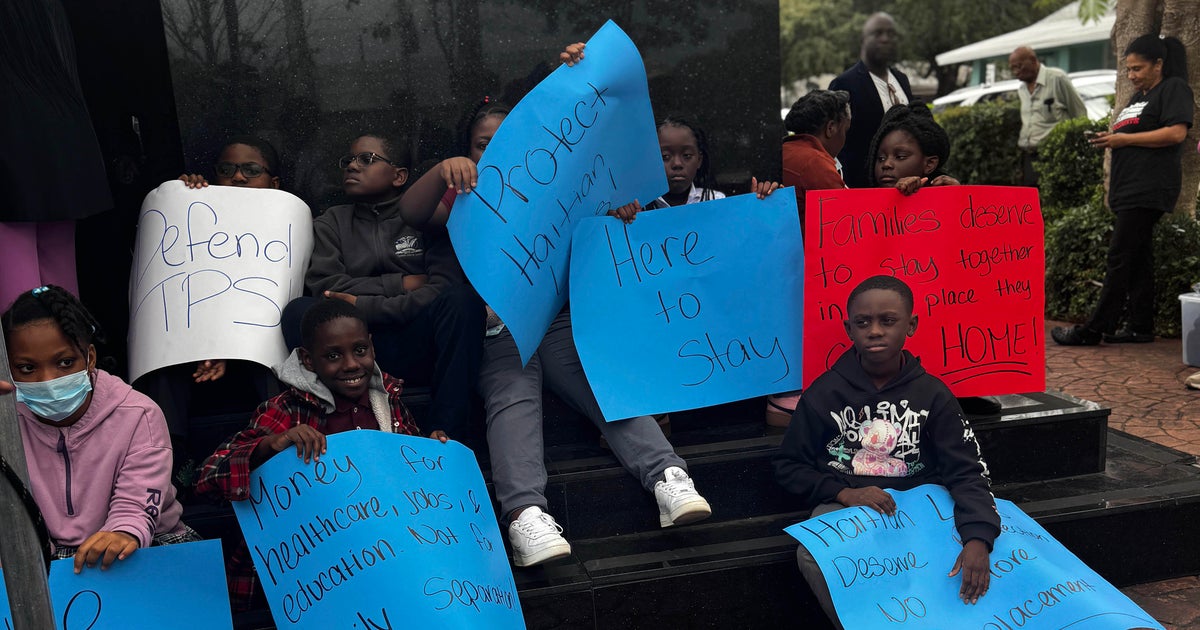
The United States does not want airplanes flying to Haiti because of incidents of planes being shot at while sitting on the tarmac at the airport. Gangs all but run the country (estimates say 90% of the capital, Port-au-Prince, is controlled by gangs) at this point and many Haitians living in the United States under TPS, if returned, would face either joining a gang or being executed.
Though the Trump Administration has made very clear that Haiti is unsafe, they are now ending TPS for over 500,000 Haitians living in the United States and forcing them back to Haiti.
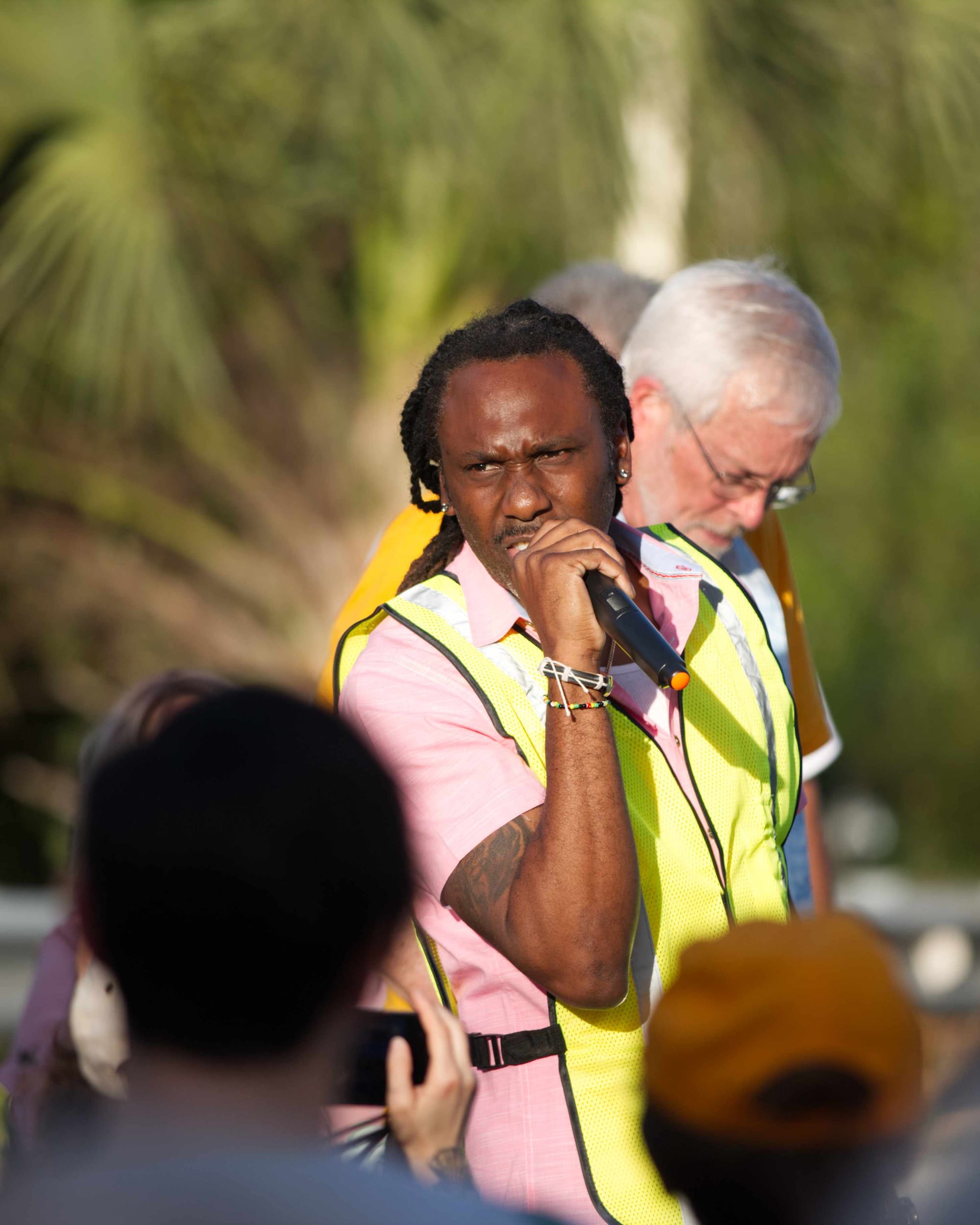
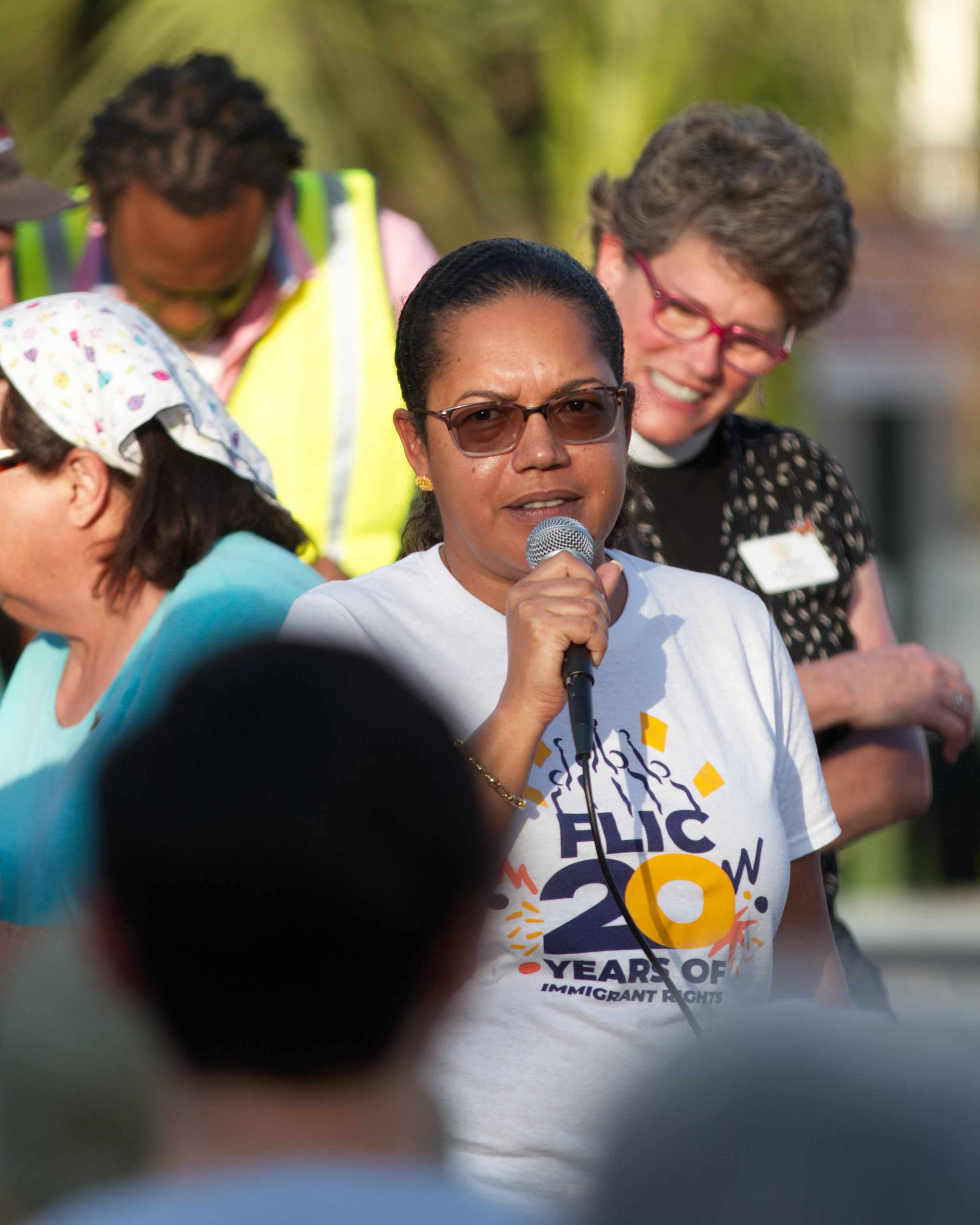
Harris Harrigan, a Miami based union leader and child of Haitian immigrants, reminds the congregation gathered across from the so-called Alligator Alcatraz of the ending of Temporary Protected Status for Haitian immigrants and tells them about the horrific conditions in Haiti today, while Tessa, a Haitian immigrant and organizer with Florida Immigration Coalition, tells the audience that she fled Haiti in the “span of two hours” to save her husband and children. “We migrate for survival,” during the 24th weekly Sunday prayer vigil on January 11, 2026
Article 33 of the United Nations Charter, signed by President Lyndon Johnson in 1967 and thus binding to the United States, says that "No contracting state shall expel or return (refouler) a refugee in any manner whatsoever to the frontiers of territories where his life or freedom would be threatened on account of his race, religion, nationality, membership of a particular social group or political opinion. The United States Congress further encoded it into US law through the Immigration and Nationality Act.
According to Monica Iyer, assistant professor at the Georgia State University College of Law:
The standards for non-refoulement from the Refugee Convention and the Convention against Torture have both been integrated into US refugee law. Section 208(a) of the Immigration and Nationality Act provides for the granting of asylum under the terms specified in the Refugee Convention. Section 241(B)(3) of the same law further protects against the removal of someone who has not been granted asylum but shows that their “life or freedom would be threatened” because of certain characteristics if they were sent back to their country of origin. Courts in the United States have long held these laws to be reflective of the country’s treaty obligations and have applied the treaties in interpreting US asylum and refugee law.
While the press, especially in Miami, is paying attention to this story, it is important to remember that the 500,000 Haitians are each and every one people with their own stories. The video below from the vigil is two of those personal stories.
The message from the speakers on Sunday? Call your government representatives in state and Federal offices.
Florida
Gonna Florida
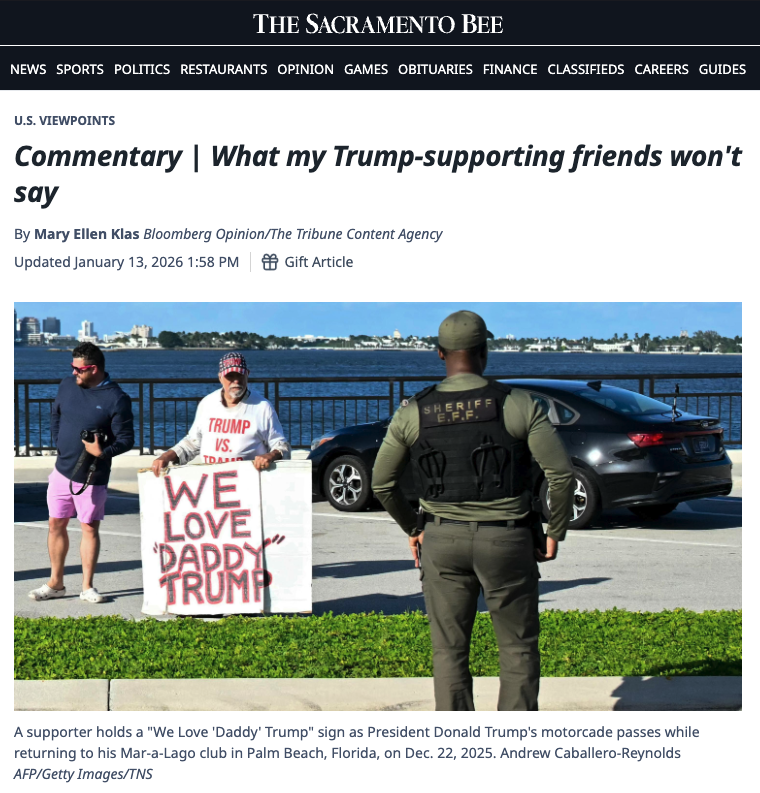
The irony of the column above, written by a columnist based out of Florida, picked up by McClatchy Media Company, owner of both the Sacramento Bee where the column is shown and the Miami Herald, but not being run by the Herald is thick enough it could in fact press pants.
The story is even about her trip to Miami.
In my experience, most Republican voters supported Trump and his promises in 2024 for defensible reasons. Many also now believe his behavior in office is wrong. So why isn’t there more public pushback? On a recent trip to Miami, the answer I got was a sobering one: We’re afraid.
“My parents fled an authoritarian regime and that’s the type of government that instills fear and puts people in jail and punishes them for their viewpoints,” said Marcos Daniel Jiménez, a former U.S. attorney under former President George W. Bush and the son of Cuban immigrants. “That’s exactly what this president is doing - maybe not to that level - but the retribution and the attacks by the president and his cronies have caused many people who own businesses and have families to be afraid.”
Of the several Cuban Americans I spoke with, most could see the parallels between the Castro regime and the Trump administration’s disregard for the rule of law and its assault on free speech. Others drew distinctions where there was little difference. But only Jiménez had the courage to go on the record. The others feared retaliation, which would have meant losing revenue, jobs - and access to power.
To make clear, the story is written by a Floridian about the fear people have of the Trump regime retaliating against them the way Castro would have in Cuba, a fear that's acutely felt in Miami, home to hundreds of thousands of Cubans and Cuban Americans, but the Miami Herald chose not to pick it up despite the parent company having purchased it, at least until well after a paper thousands of miles away did.
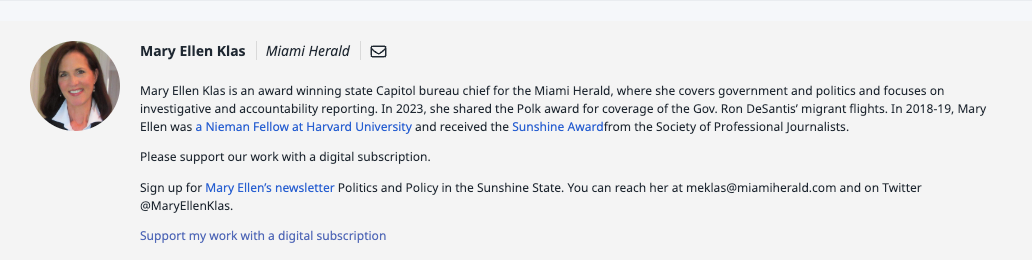
Perhaps it wasn't out of fear the Herald declined to run a story written by a person still listed as their "award winning state Capitol bureau chief," maybe it was something else (though I'm not seeing any articles in the Herald by her since 2023). Maybe they don't like her. I don't know. But it's weird and Florida is weird and Florida gonna Florida.
Historic
Interlude
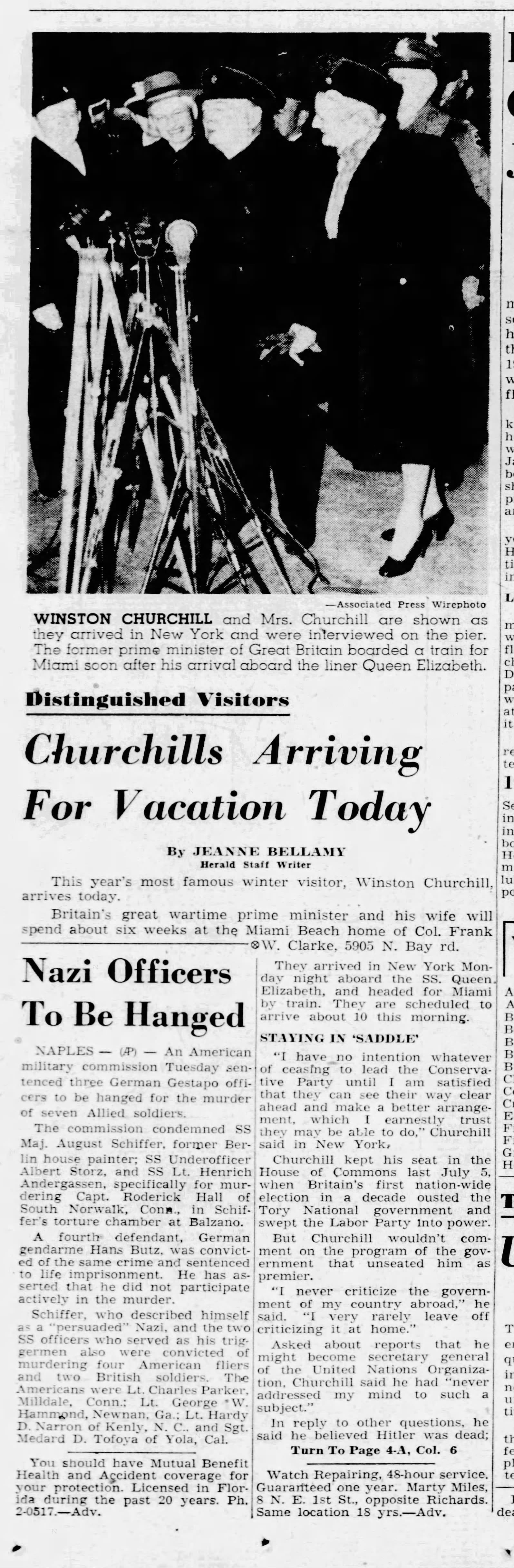
Whether or not the editor of the Miami Herald recognized the irony of announcing the long winter visit of "Britains great wartime Prime Minister" for six weeks in Miami Beach with an inset story about Nazi officers being hung I do not know. I do know that it is something worth noting. Also worth noting is that the Nazis in question were sentenced for execution for "the murder of seven allied soldiers." Though the famous Nuremberg Trials began in late November of 1945, the trials would not conclude until October of 1946. What is more, the Nuremberg Trials sought justice for unlawful invasions carried out by the Nazis and atrocities committed against civilians, seeking defendants that represented different agencies within the Nazi regime. That led to the trials of just 24 people and the eventually sentence to death for 11. Of those, ten were hung while Hermann Wilhelm Göring committed suicide the night before his date with the gallows.
SS Major August Schiffer and his gang captured an Office of Strategic Services (OSS) officer named Captain Roderick Stephen Goodspeed Hall the previous January, executed him along with others, and covered up the execution claiming Hall had died of cardiac arrest. The OSS was the immediate predecessor of the Central Intelligence Agency. Hall had been on a mission to destroy bridges and infrastructure behind enemy lines when he was betrayed by a local ally.
Churchill spent the month and a half in South Florida, starting off in the most fitting way possible for a celebrity visit to Florida–asking the US President for a loan–and even received an honorary degree from the University of Miami in February of 1946.
Infinite
Hope
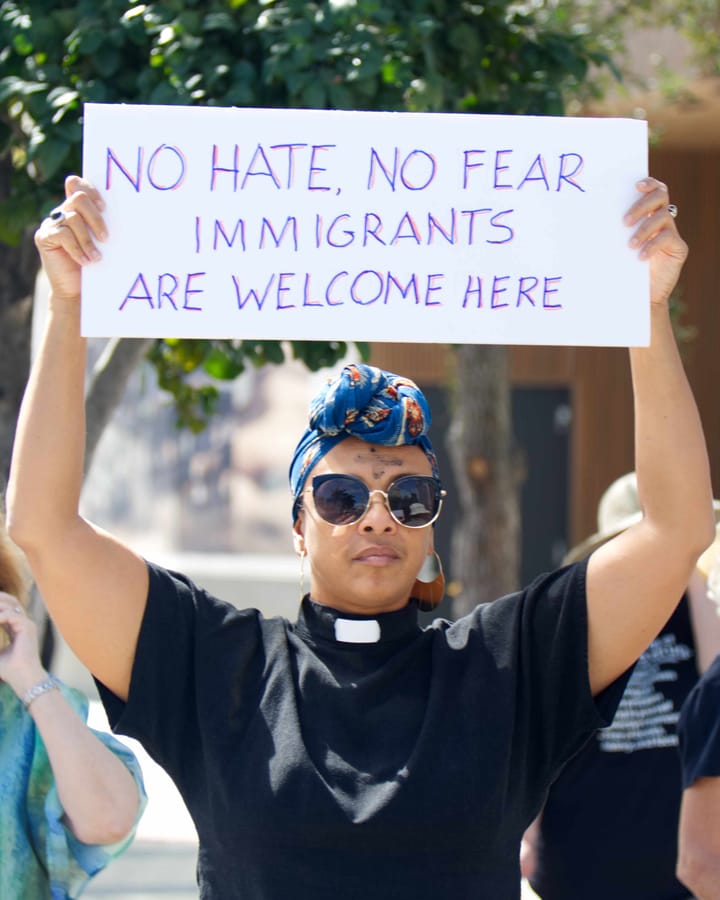
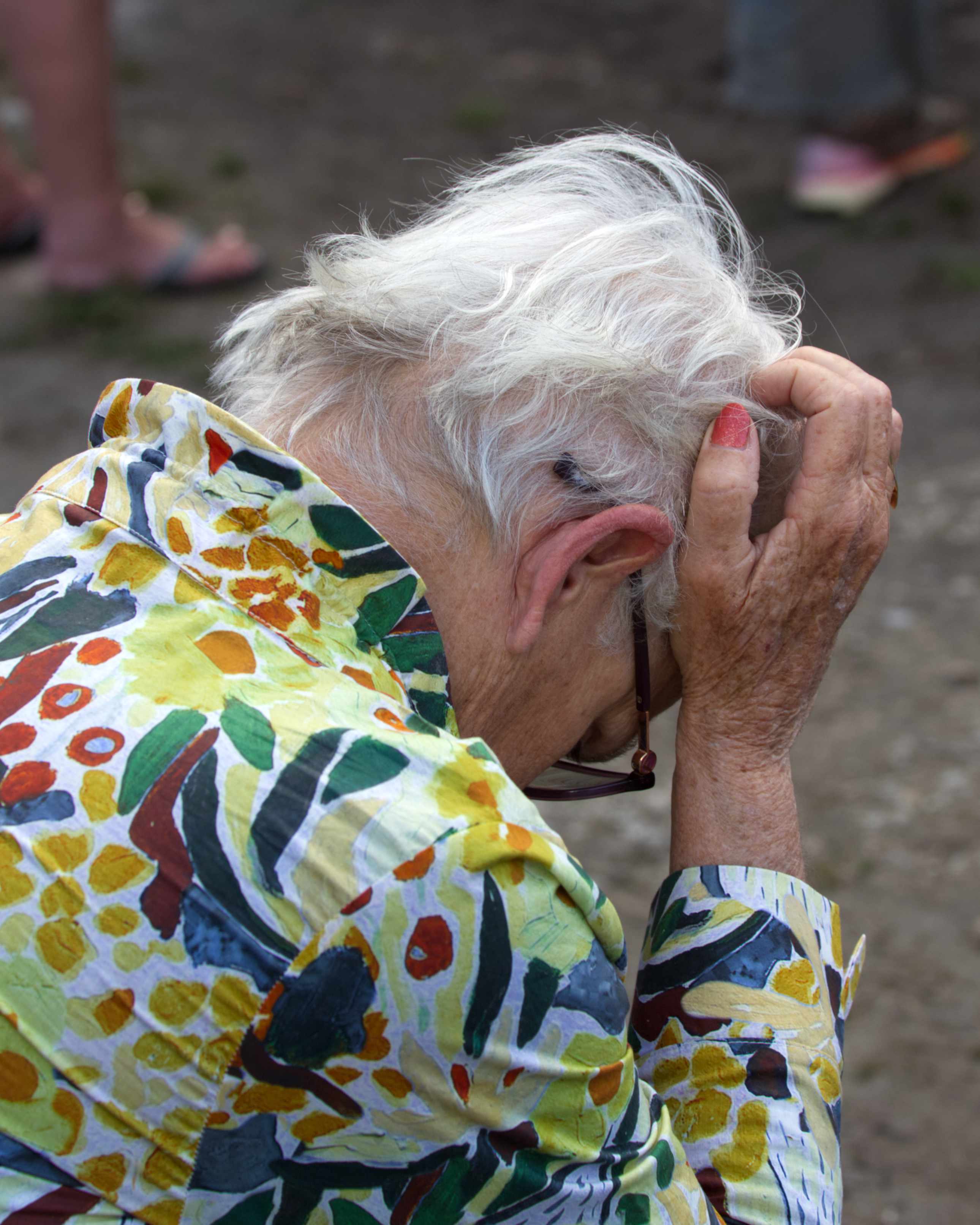
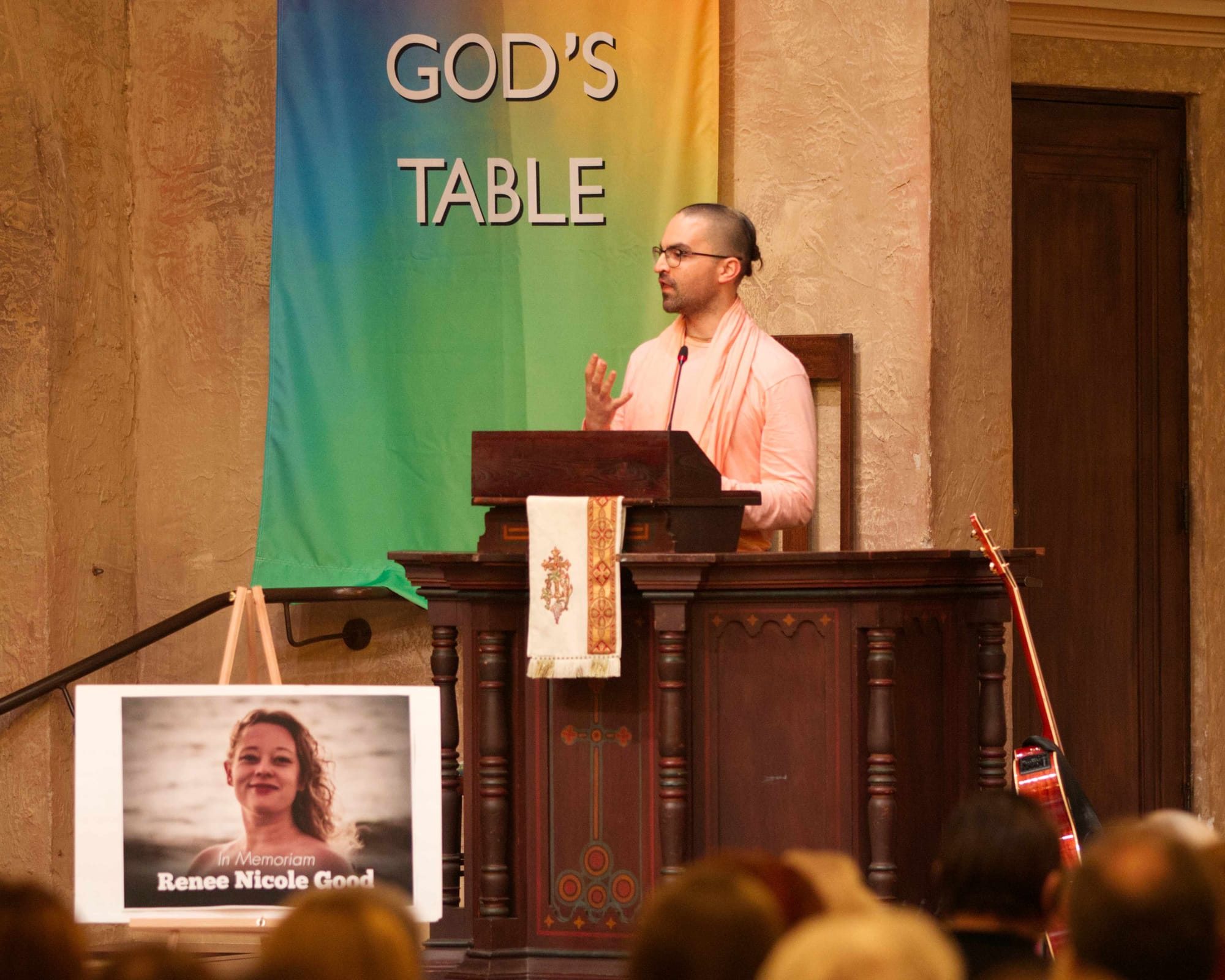
Prayer vigils are rarely based on happy experiences and the two I attended and documented this week were no exception. The first was the 24th weekly Sunday prayer vigil across from the South Florida Detention Center, commonly known by its racist nickname, Alligator Alcatraz. The second was at my church, though it was the brainchild of Miami Indivisible's Cindy Lerner, and called "Interfaith Vigil for Justice: Remembering the Life of Renee Good and All Who Have Suffered at the Hands of ICE."
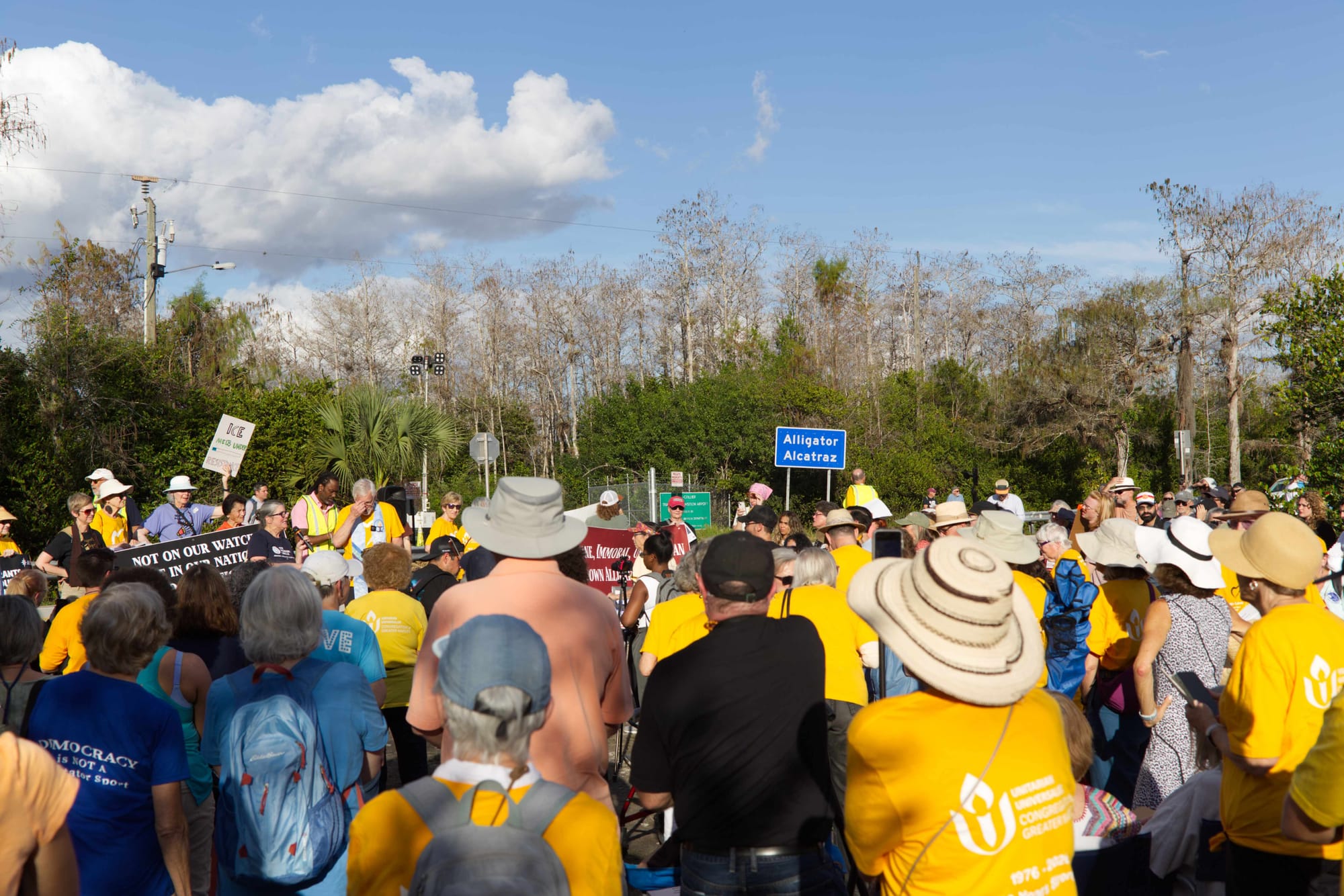
Yet, the entire foundation of any prayer vigil–at least in my experience–is hope. One might say prayer vigils are hope in action and hope in community or community hope in action. In these vigils I witnessed pain and anguish and people clinging to one another, clinging to the community, and resting their hopes in each other.
It was beautiful and hopeful. I wrote about both this week.
 Philip Cardella
 Philip Cardella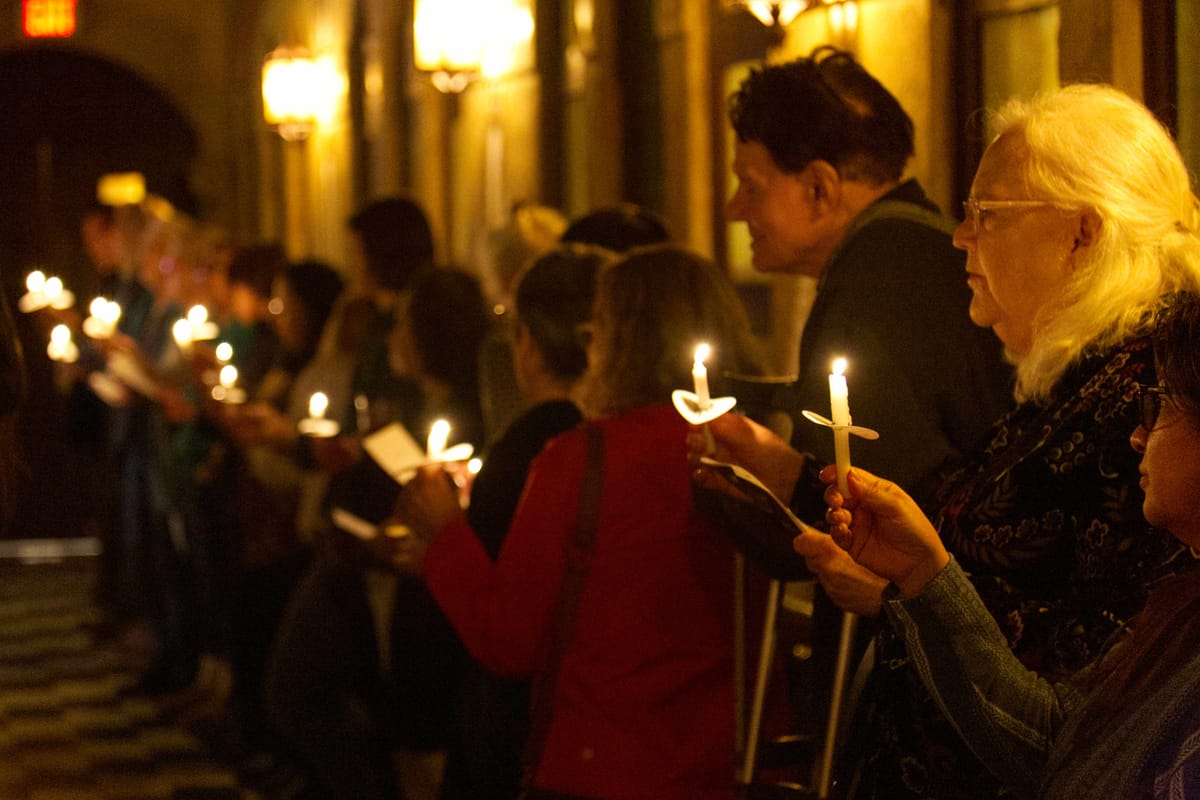
The Marsh Trail of Collier County
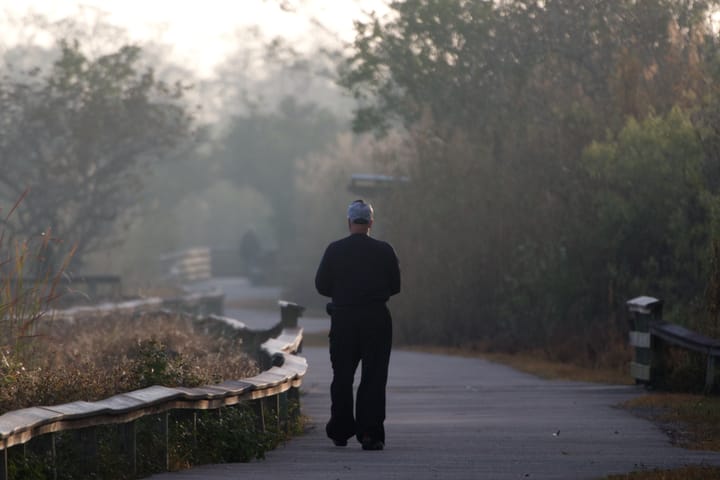
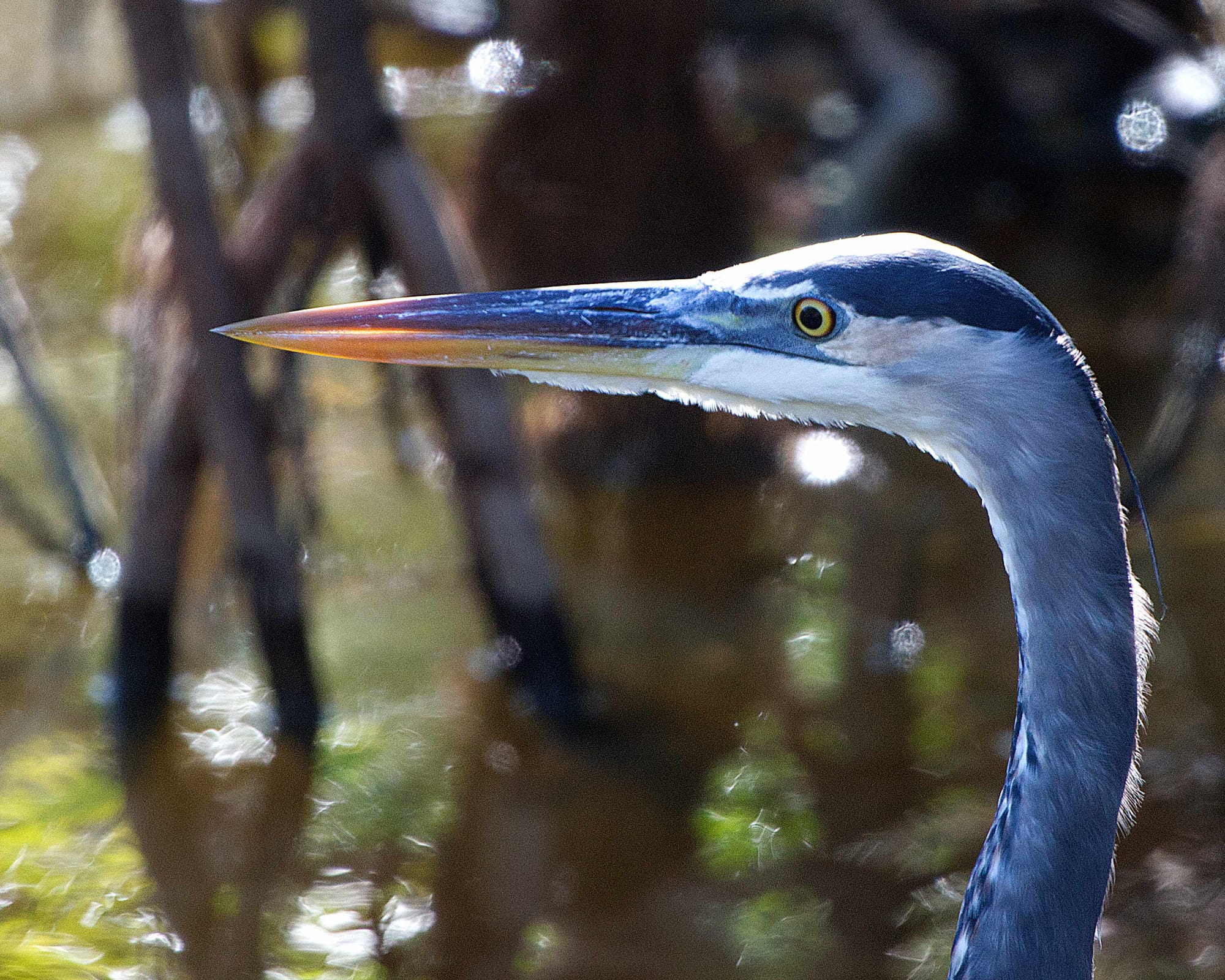
A popular trail that somehow I missed hearing about until Friday (when I'm writing this) came up when my youngest kid and I visited the new visitors center in Everglades National Park. One reason it came up is that the visitors center, a center I covered the "ribbon cutting" of last month, is not in fact open yet. SMH. Anyway, we redirected to the Marsh Trail just twenty minutes further west from Miami and boy was it worth it.
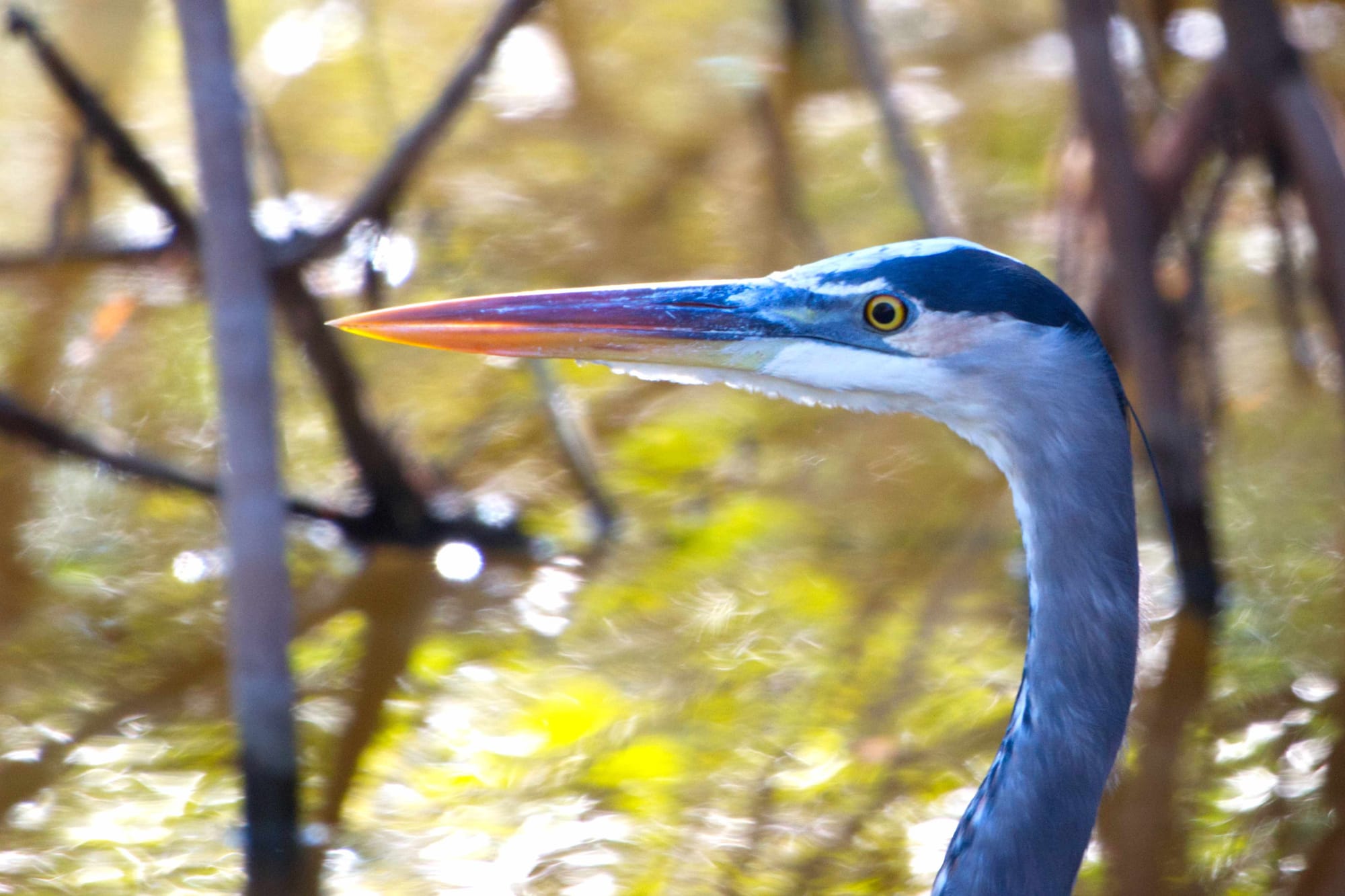
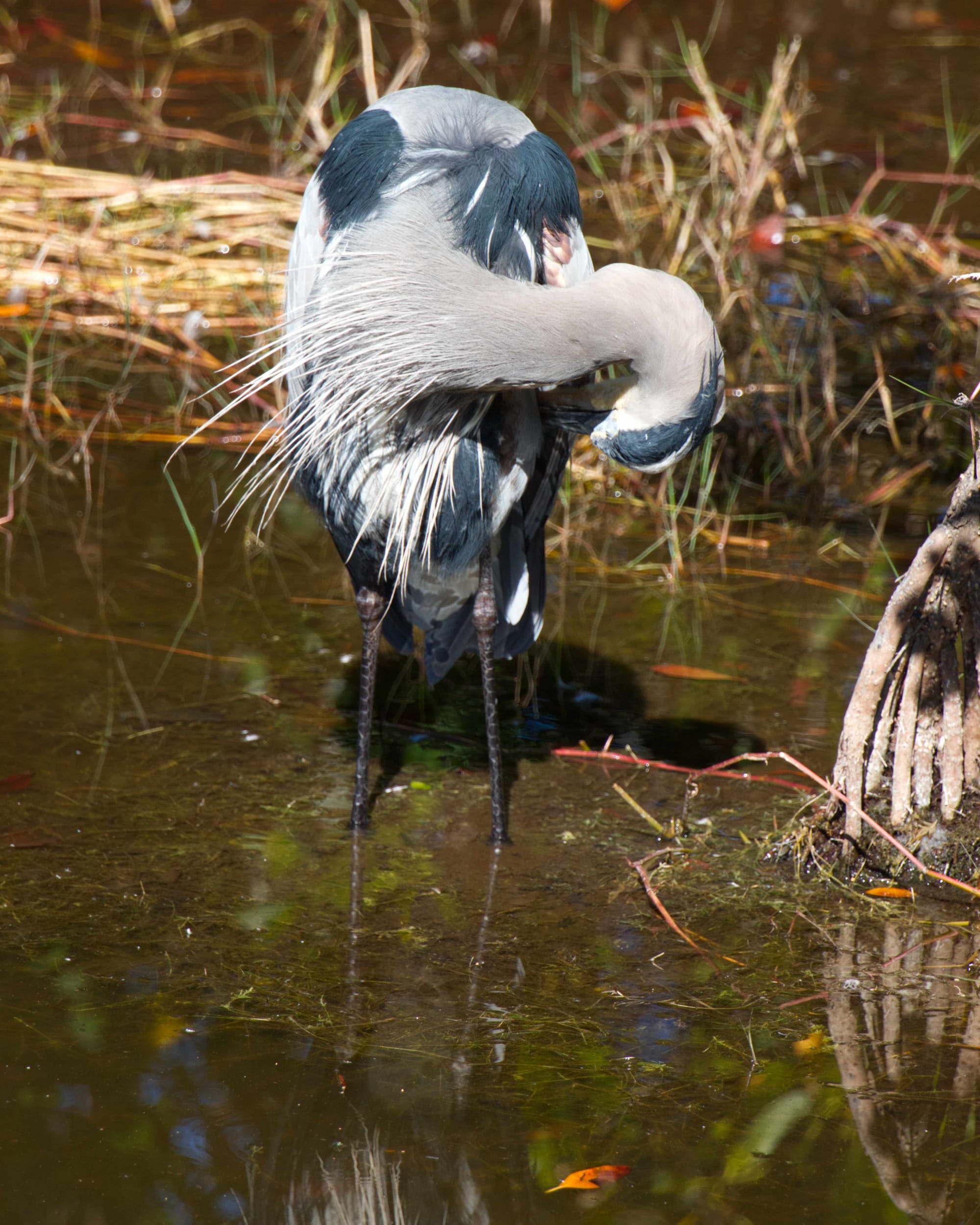
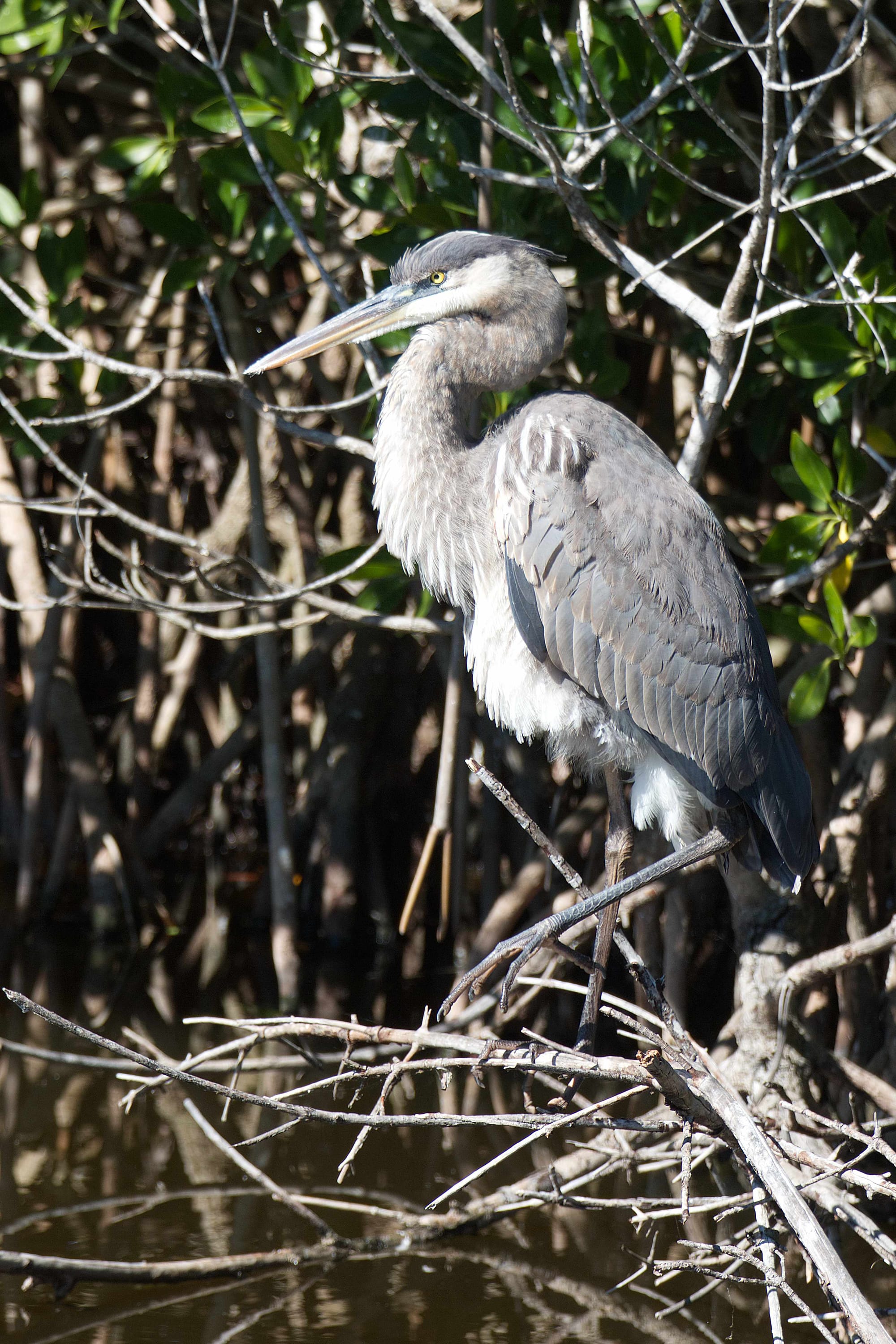
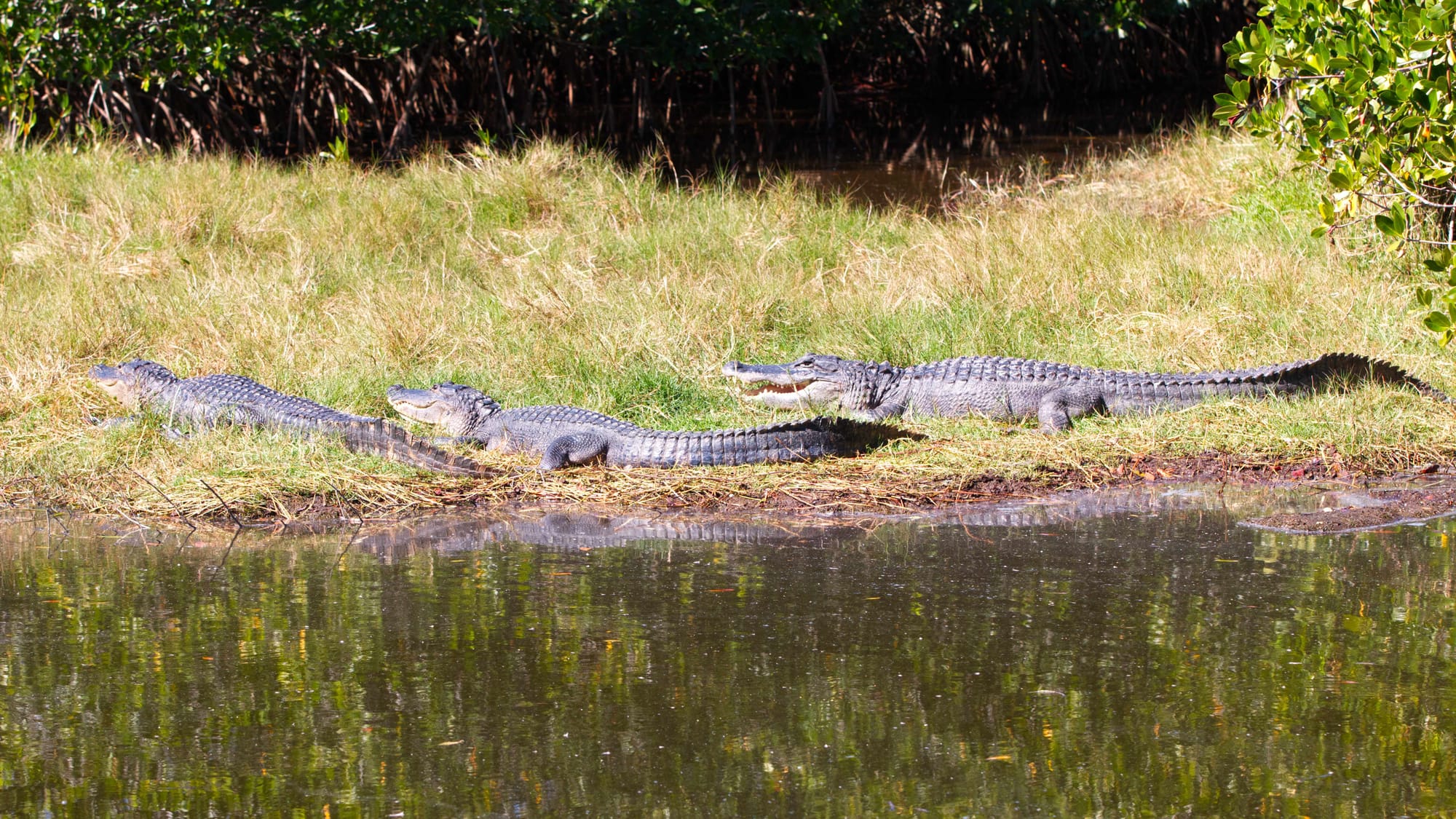
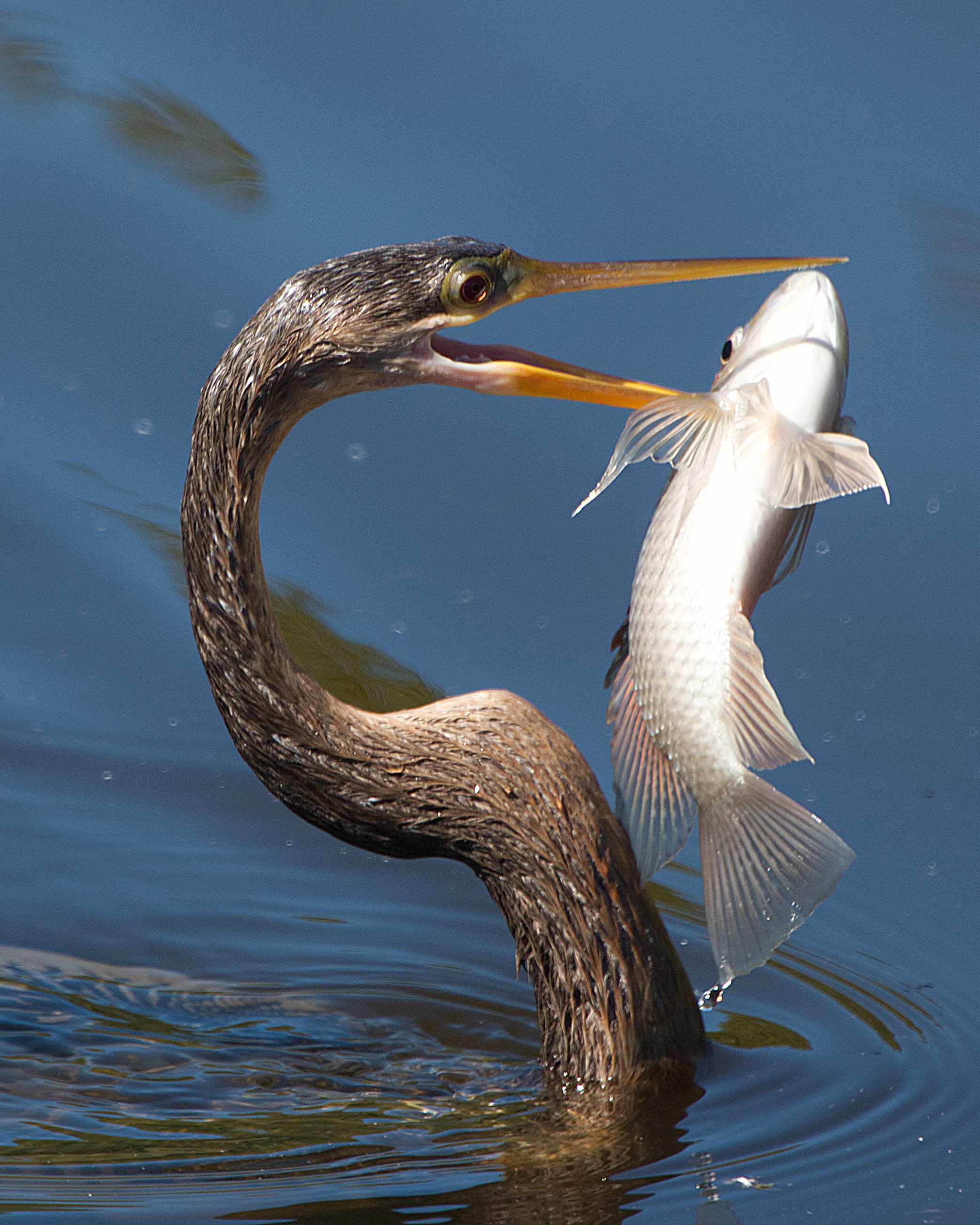
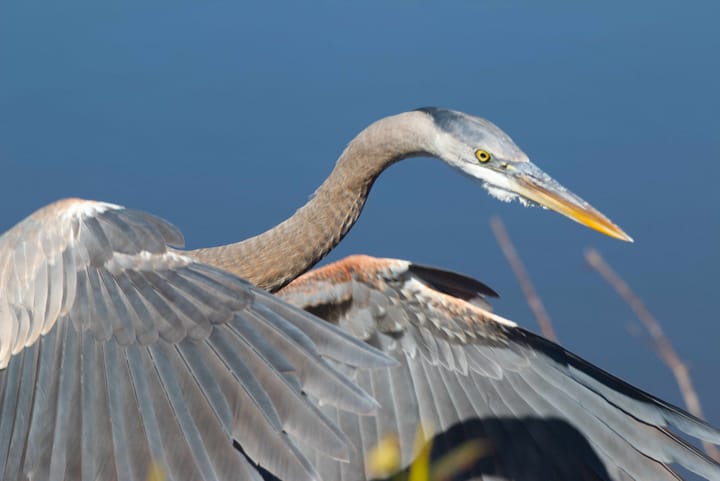
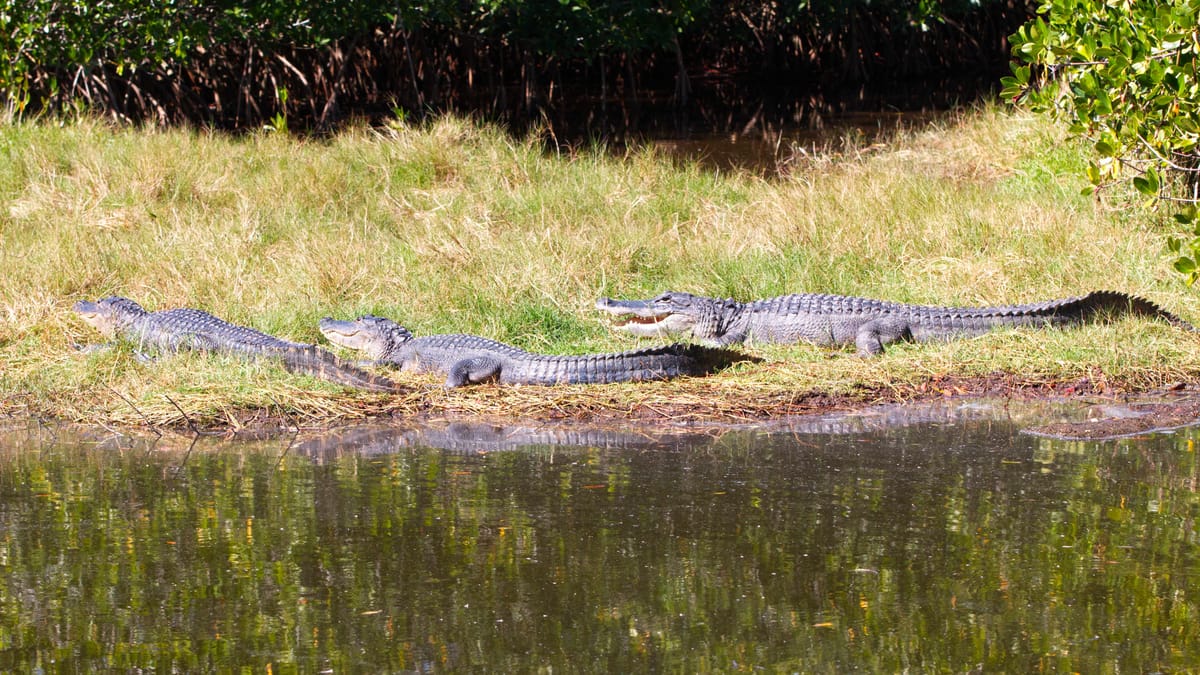
A blue heron looking for food, a blue heron cleaning its feathers, a scary heron of some sort looking scary, three alligators getting a tan and a female anhinga spears a fish. All photos by Philip Cardella.
Bear
The History Hound Finds
 Robert P Baird
Several of you have made donations to support this work and I thank you from the bottom of my heart. As I didn't ask you if I could share your names, I won't, yet, but I'll seek your input on that.
Work like this article, the videos and the photographs would normally take at least three or four professionals several hours to put together. While I do not pretend my work is to their quality (yet), I will say that it took a lot of time and effort to put together. If you appreciated it, please share it. If you loved it, please consider making a small donation to this work.