ICE, FHP, the Ash Wednesday March and Immigrants in South Florida
By Philip Cardella February 20, 2026
Miami and Key Largo, FL
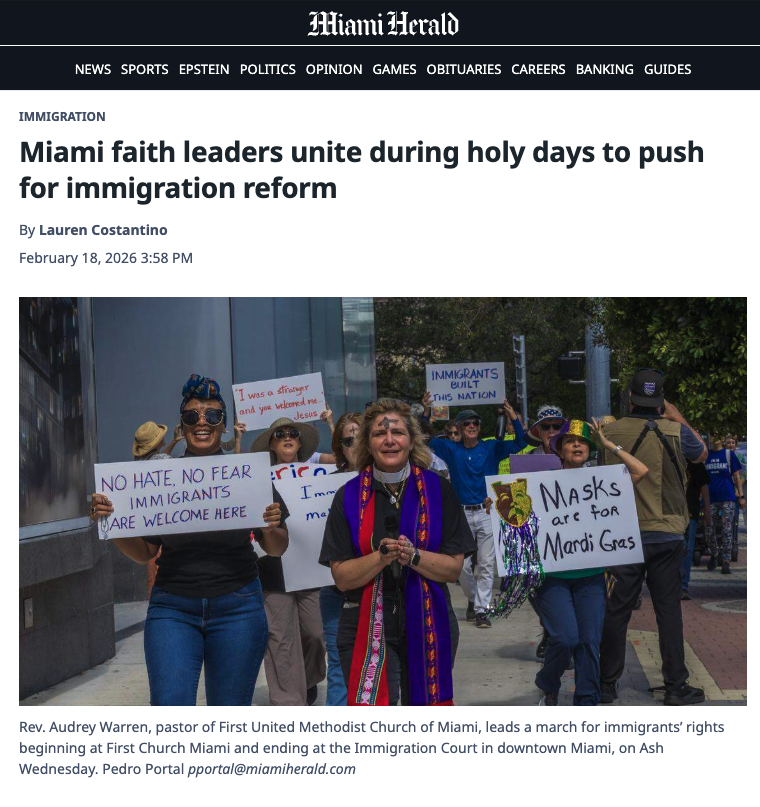
Pastors, lay people, march for immigrants to mark the beginning of Lent and Ramadan
Wednesday, February 18, 2026, marked a rare occurrence, the convergence of the beginning of both the Muslim season of Ramadan and the Christian season of Lent.
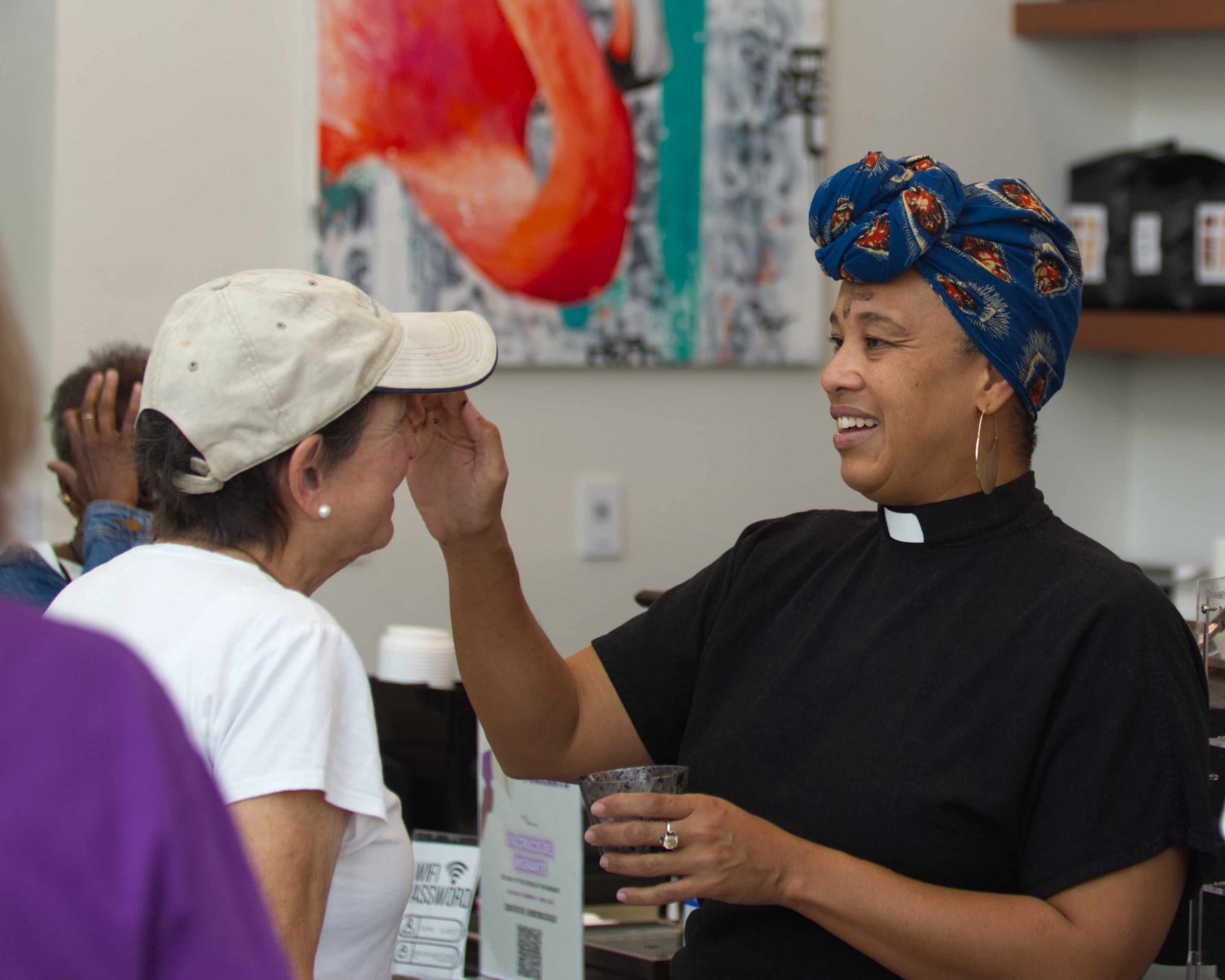
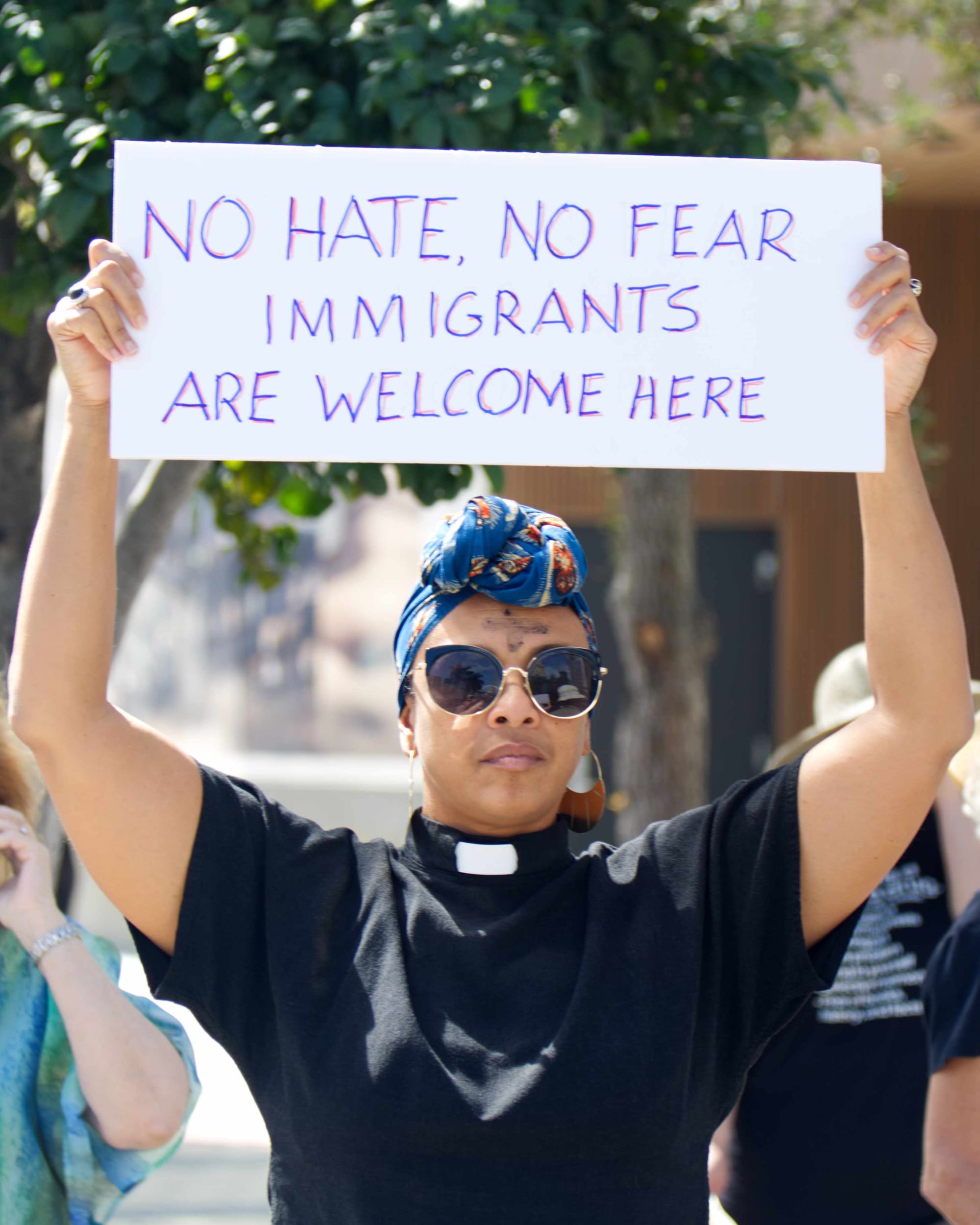
In recognition of this and of the shared plight of immigrants of all religious backgrounds facing unprecedented threats from the United States government, several religious leaders in Miami marched from site of one of the city’s first churches, First Church Miami, to an immigration court house several blocks away.
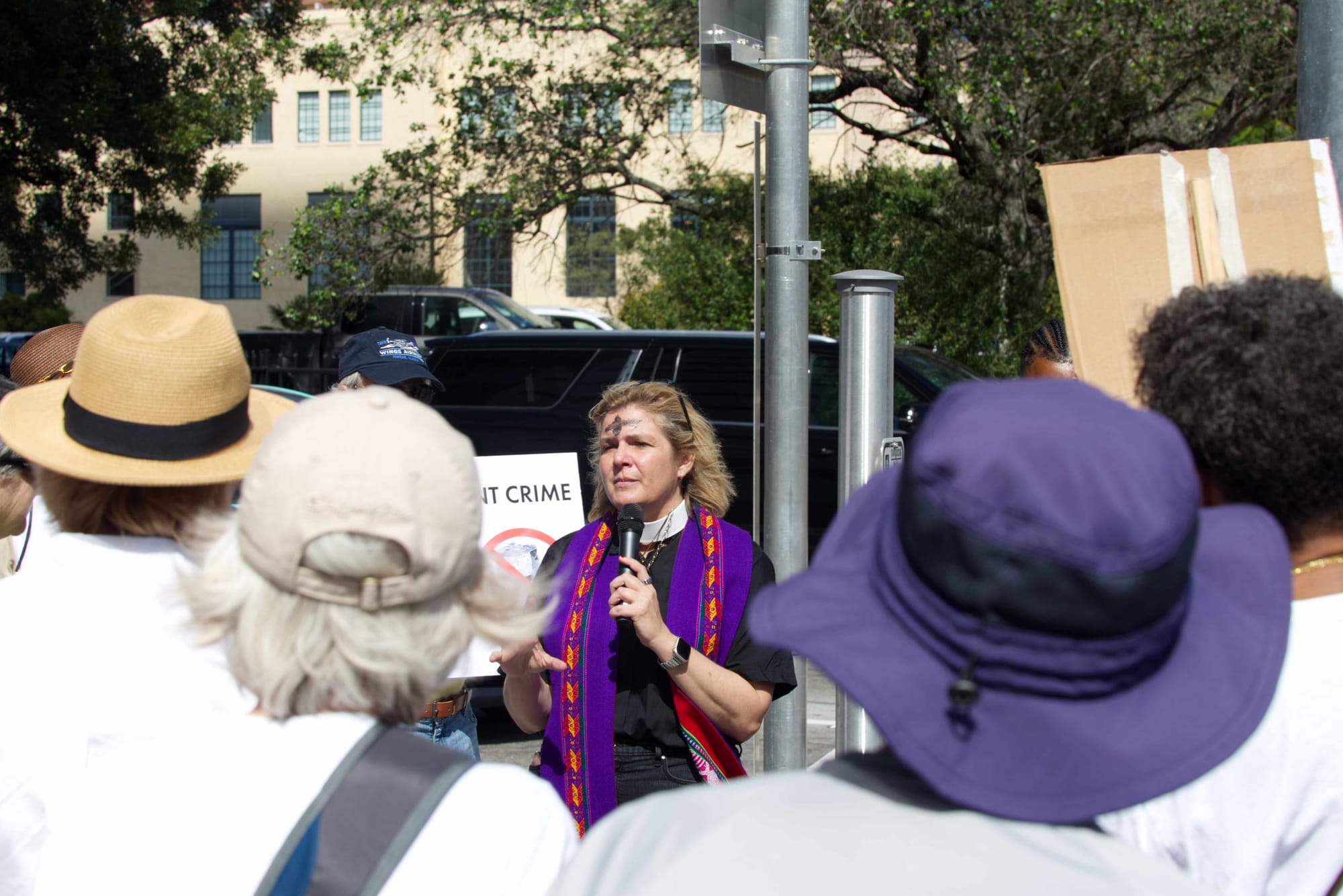
Organized by the Reverend Audrey Warren, senior pastor at First Church Miami, a few dozen lay people joined the pastors in their march and the press conference that followed.
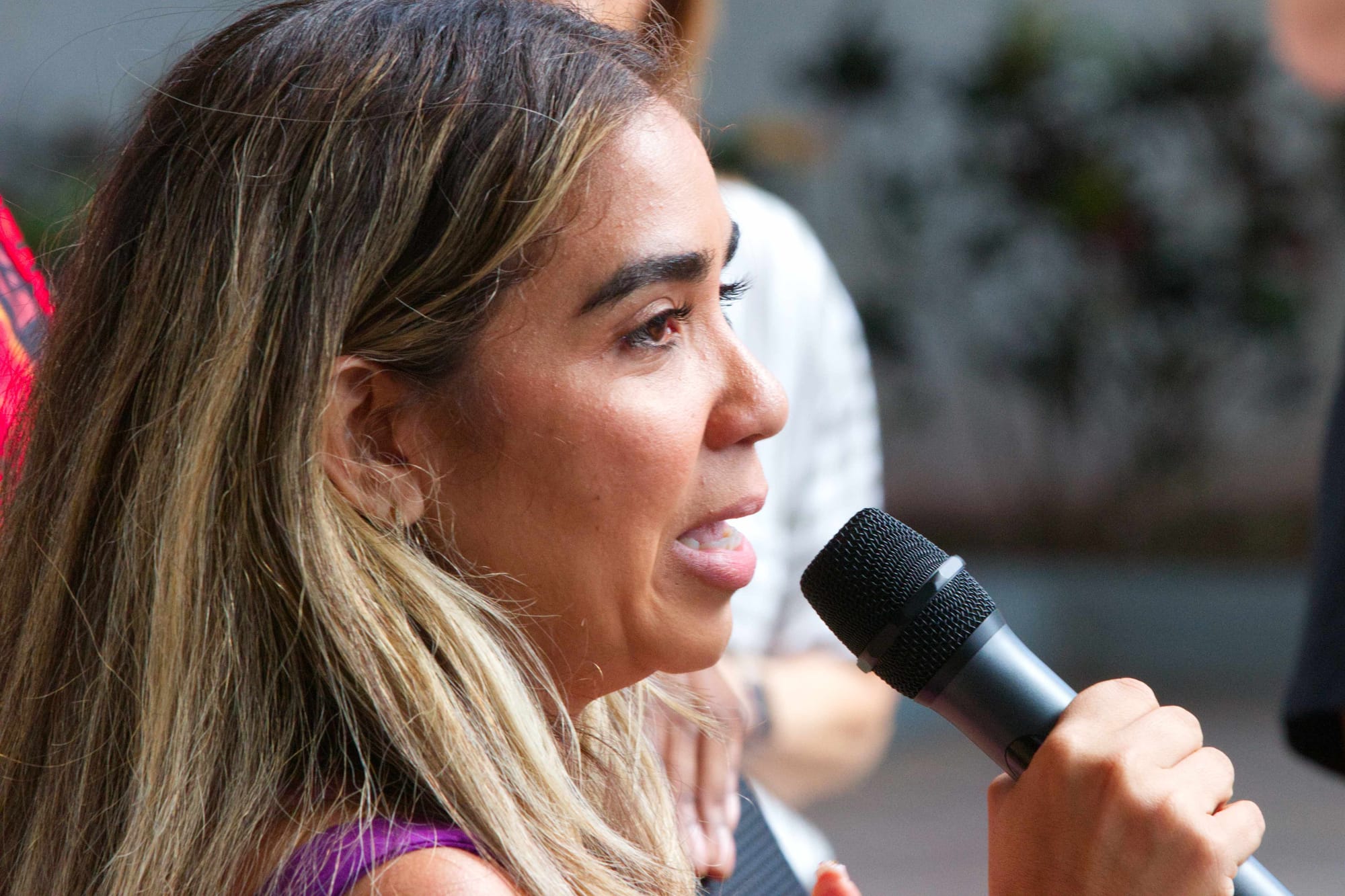
At the press conference, Arianne Betancourt, daughter of a man detained in Alligator Alcatraz since late October of 2025 named Justo Betancourt and Alexandra Orellana from the Florida Immigrant Coalition spoke about the importance of immigrants and of the VISIBLE Act now under consideration by the US Congress.
Exclusive video from the March for Immigrants on Ash Wednesday.
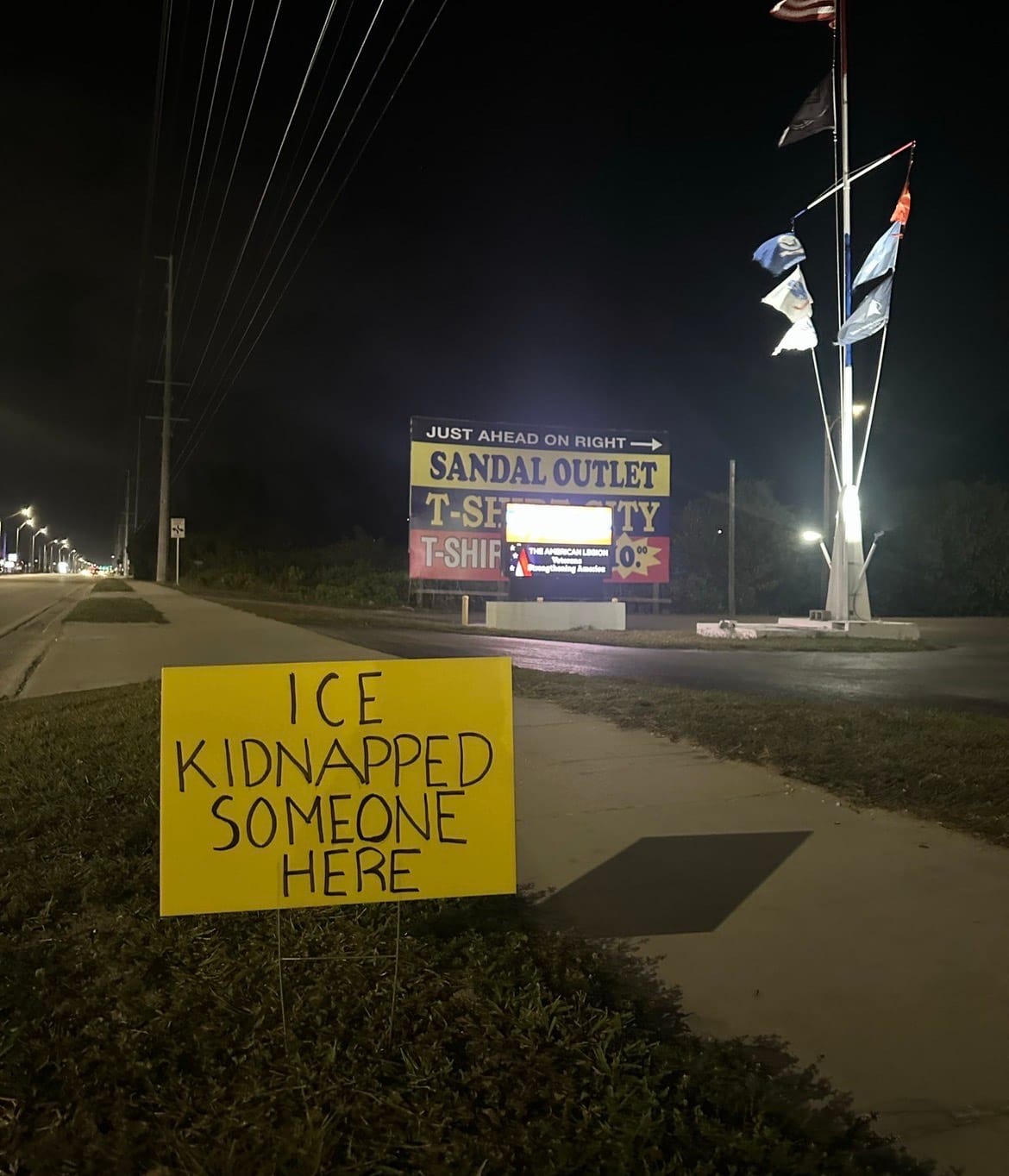
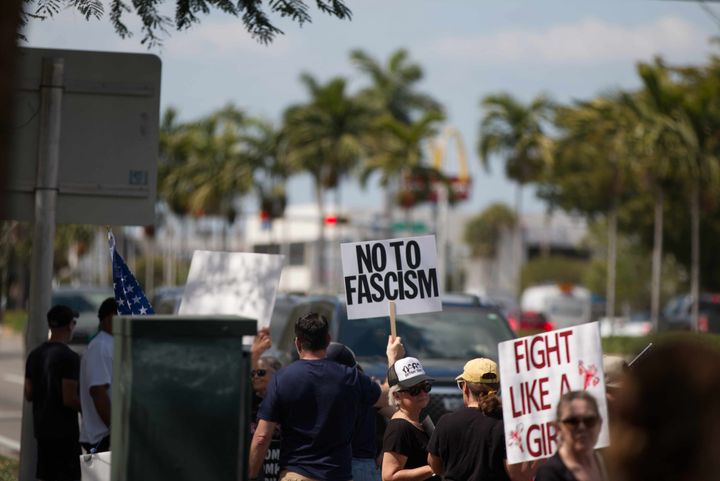
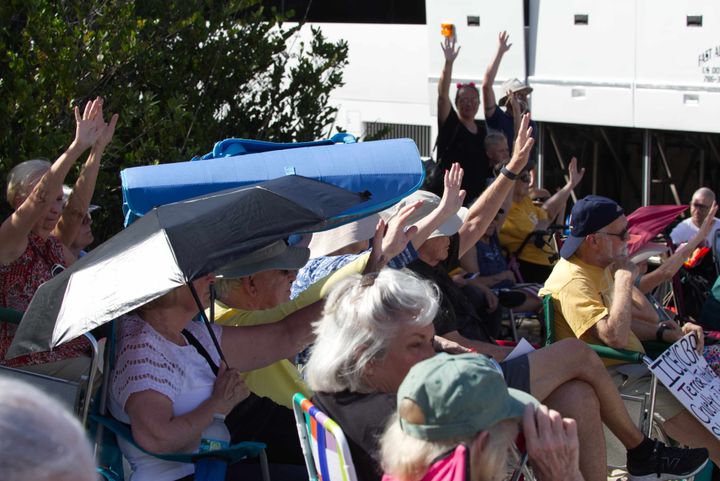
Key Largo is ICE-y
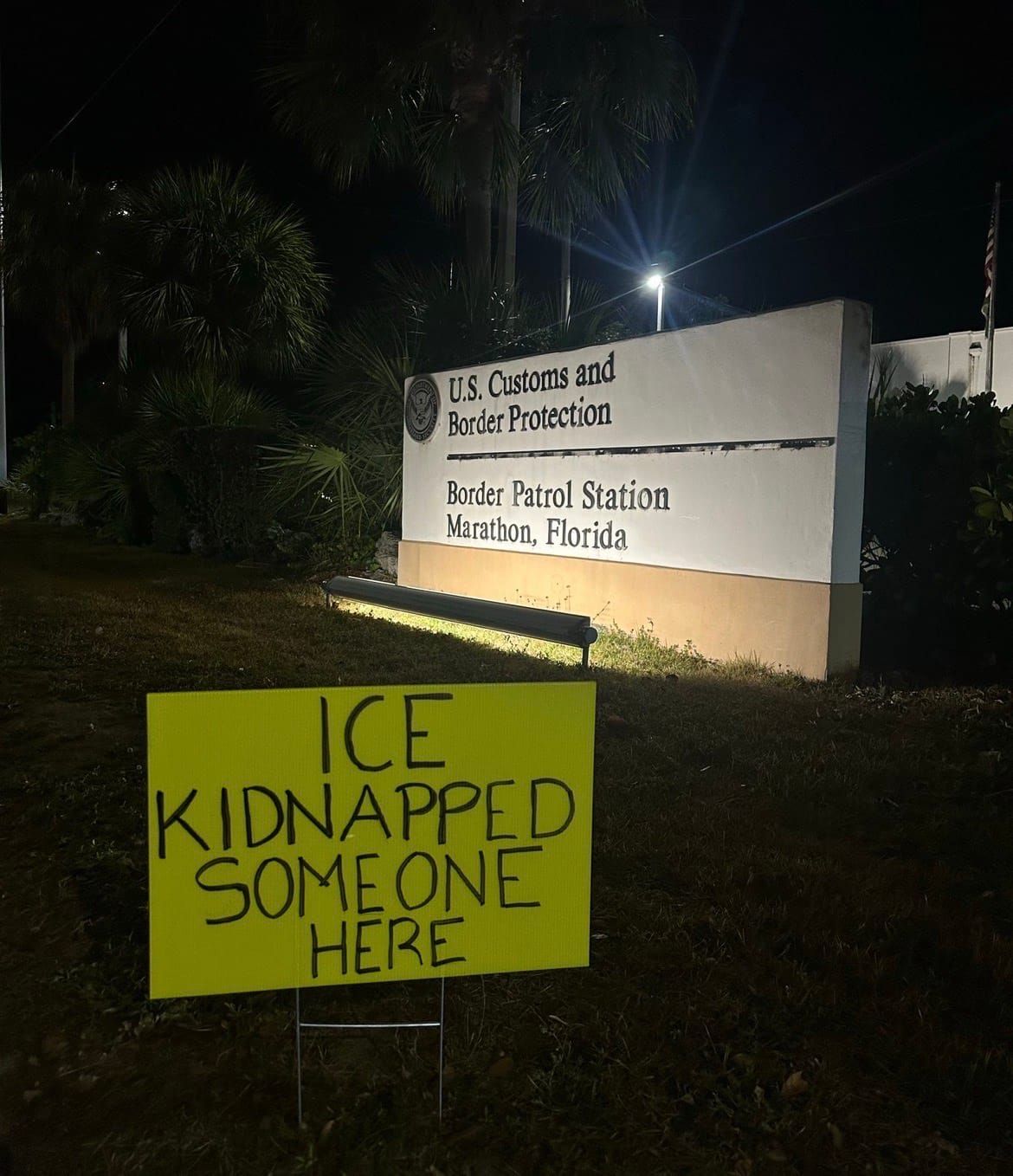
While it hasn't made many headlines, immigrant detention activity in Key Largo, the first of Florida's keys, essentially islands made out of coral reefs, south of the mainland along US 1, has been hit hard by the Department of Homeland Security (DHS) and its allies like Customs and Border Patrol (CBP), Immigration and Customs Enforcement (ICE) and the Florida Highway Patrol (FHP) in the anti-immigrant push sweeping the United States.
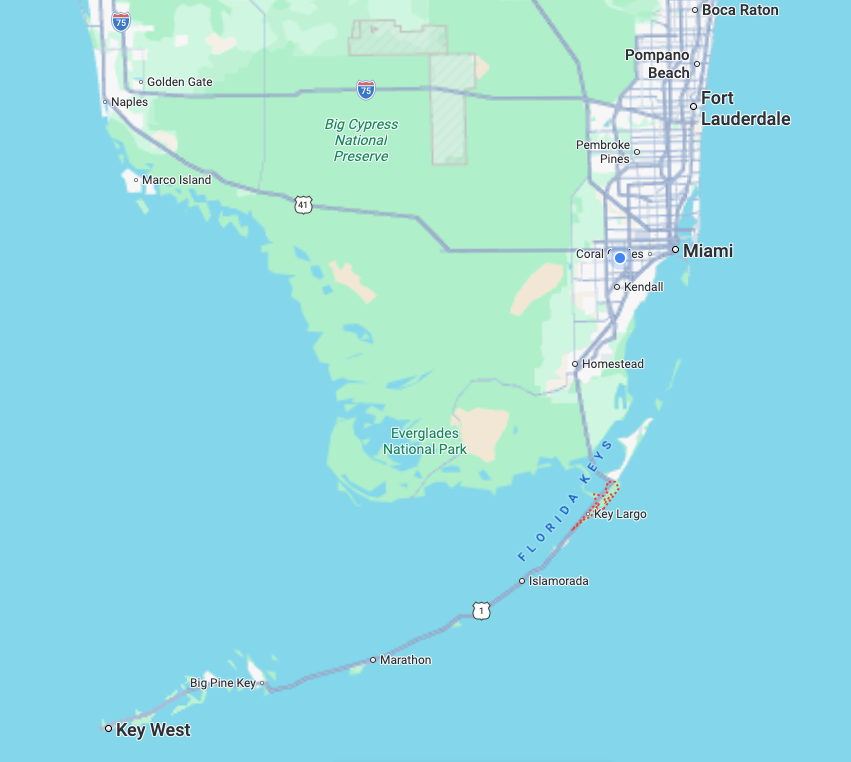
Key Largo is a destination for some tourists made famous, in part (or at least to the author who was 12 when the widely panned by critics hit song came out), by the Beach Boys song "Kokomo," is not en route to anything. About 2 hours away from Key West and an hour from Downtown Miami along one road with a 45 mile per hour speed limit, people don't just pass through Key Largo while going somewhere else (aside from a few people who want to enjoy the nearly 3 hour drive from Miami to Key West).
Hard to tell what reviewed worse, the Beach Boys inspired song sung by (most of) the Beach Boys (and with a music video set at Disneyworld, no less) or the movie it was associated with, the 1988 Razzy Award winner for Worst Picture, Cocktail.
This fits a pattern I've noticed: anti-immigration activity seems to be concentrating this winter on isolated cities. It started in the summer with Portland, Oregon, which is, like Key Largo, not really on the way to anything, which is why it only has one major, that is ending in a 5 or 0, Interstate. In Los Angeles, a destination and a massive international thoroughfare, Customs and Border Patrol, a subset of DHS, made some serious noise for a short time and retreated in mid 2025. But their sustained efforts have been in places like Minneapolis, which, like Portland, has only one Interstate ending in a 5 0r 0, isn't really on the way to anywhere and, in the winter, is not only not a destination for many, it's a place many actively avoid due to regular low temperatures significantly below freezing (think -30 F, -34 C).
Non residents simply aren't going through these places to contradict the official narratives coming out of the Trump Administration.
One might argue that Portland, Oregon (or Portland, Maine!) is "burning to the ground" and expect few people other than locals to contradict you–you can't do this with Los Angeles, or Chicago, or Seattle, or, for that matter, Indianapolis.
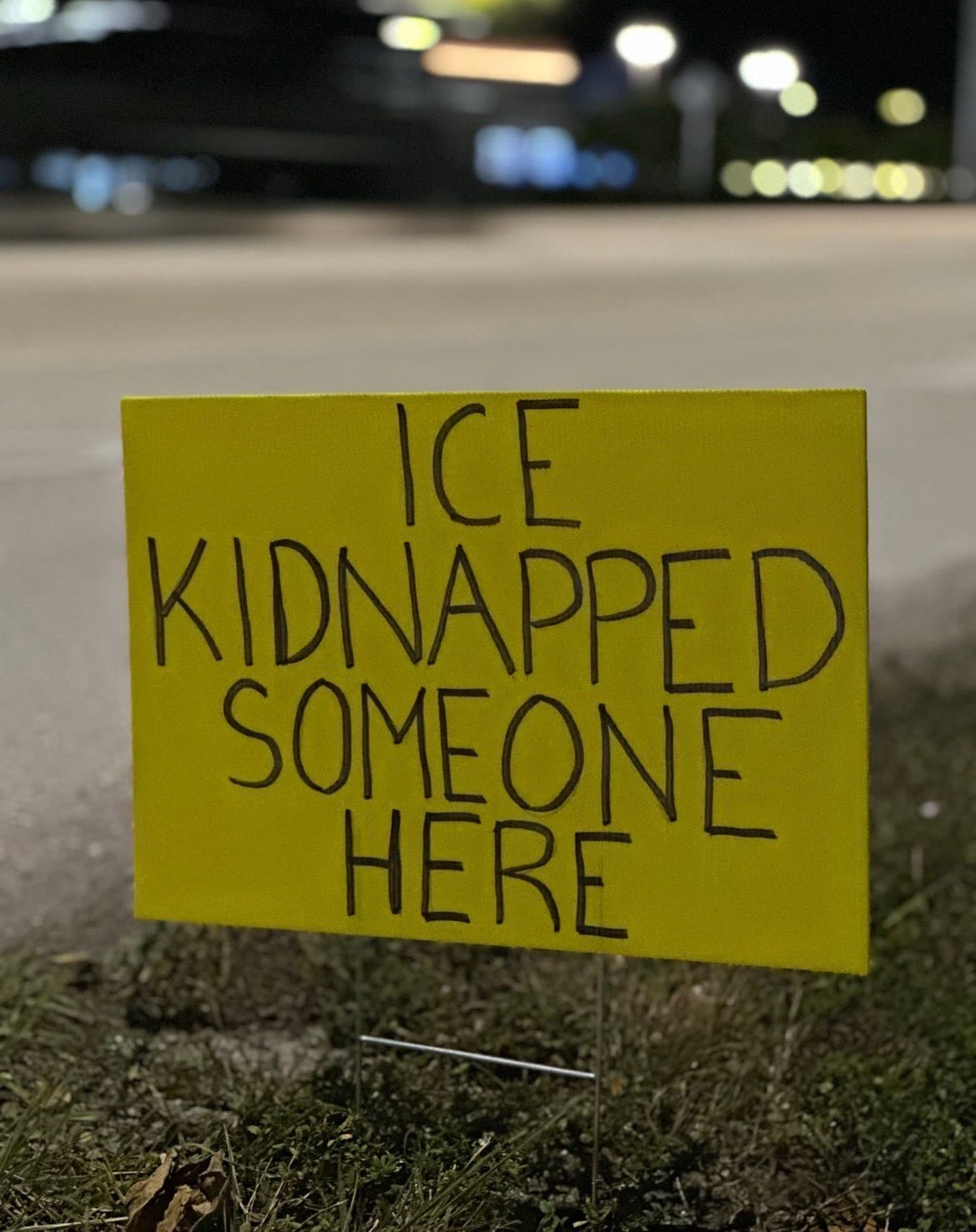
Likewise, you can say you're rounding up violent criminals in Key Largo without much pushback from anyone other than the locals–locals who overall voted for Trump, by the way by 18 points–even if the locals are telling the truth when they point out that non-violent immigrants are being kidnapped off the streets.
In Miami we don't see a ton of obvious ICE activity–this is in no small part because the majority of immigrant detention actions by law enforcement in Florida have been carried out by the Florida Highway Patrol (and the Miami Police Department). Even within the Florida based law enforcement there's a wide disparity between immigration related encounters in Miami-Dade County and neighboring Monroe County.
Getting into the weeds a bit, there were 830 recorded encounters in Miami-Dade County in 2025 (a ratio of .03% of the county population of 2.7m). The Keys (Monroe County), however, are seeing five times the number of encounters–170 encounters for a population of 82,874, an encounter ratio of .15%. In other words, you're five times more likely to have an immigration enforcement related encounter in Monroe County, which hosts about 20% of foreign born residents compared to Miami-Dade County, which is 54.5% foreign born. The 50501 Key Largo Instagram account has several examples of this posted.
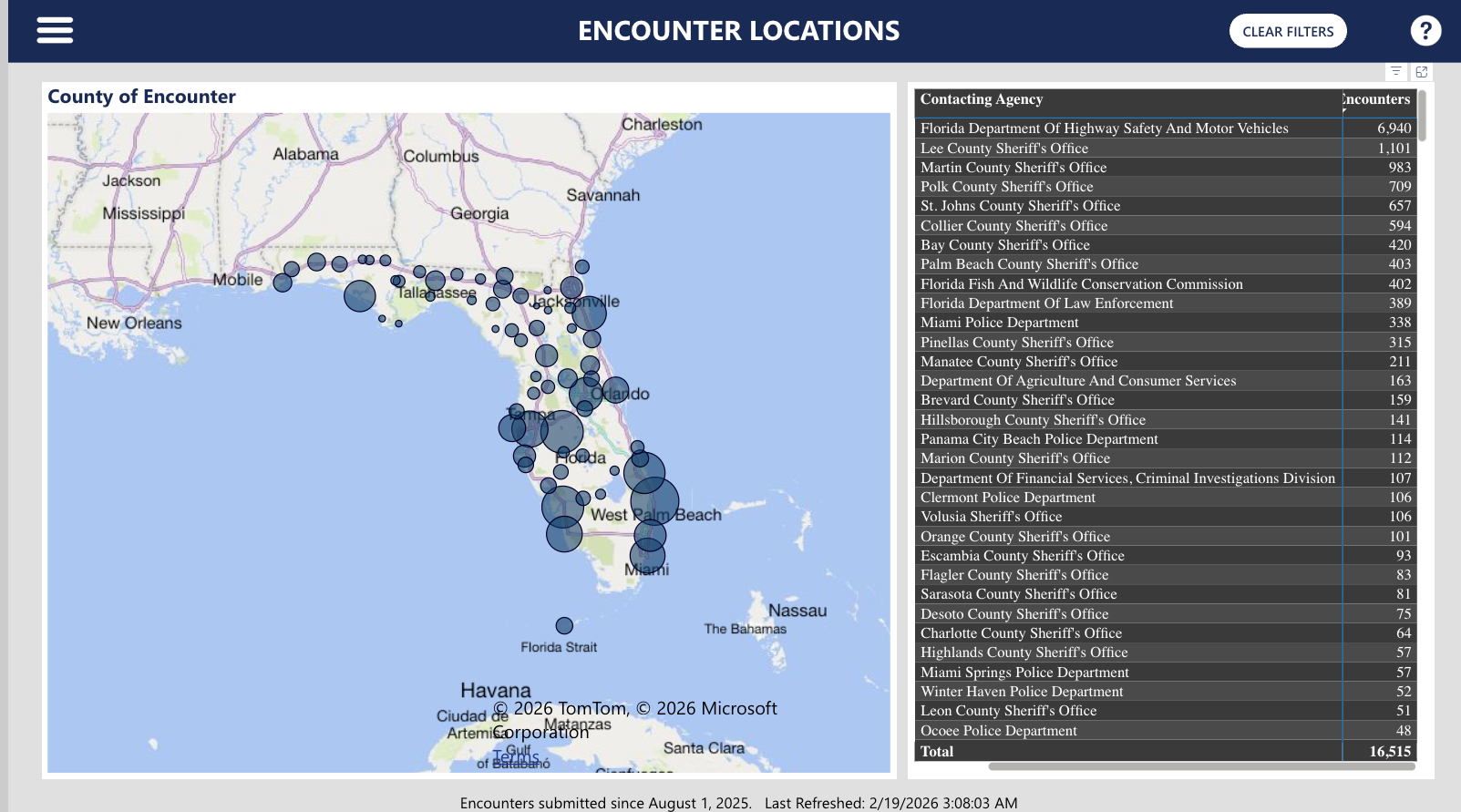
While the immigration enforcement has been muted in the major thorough fares of Florida, it is absolutely present–and, at least anecdotally, it may be putting the rest of Floridians at risk. Take the story of Jeffery and Wilbur, for example.
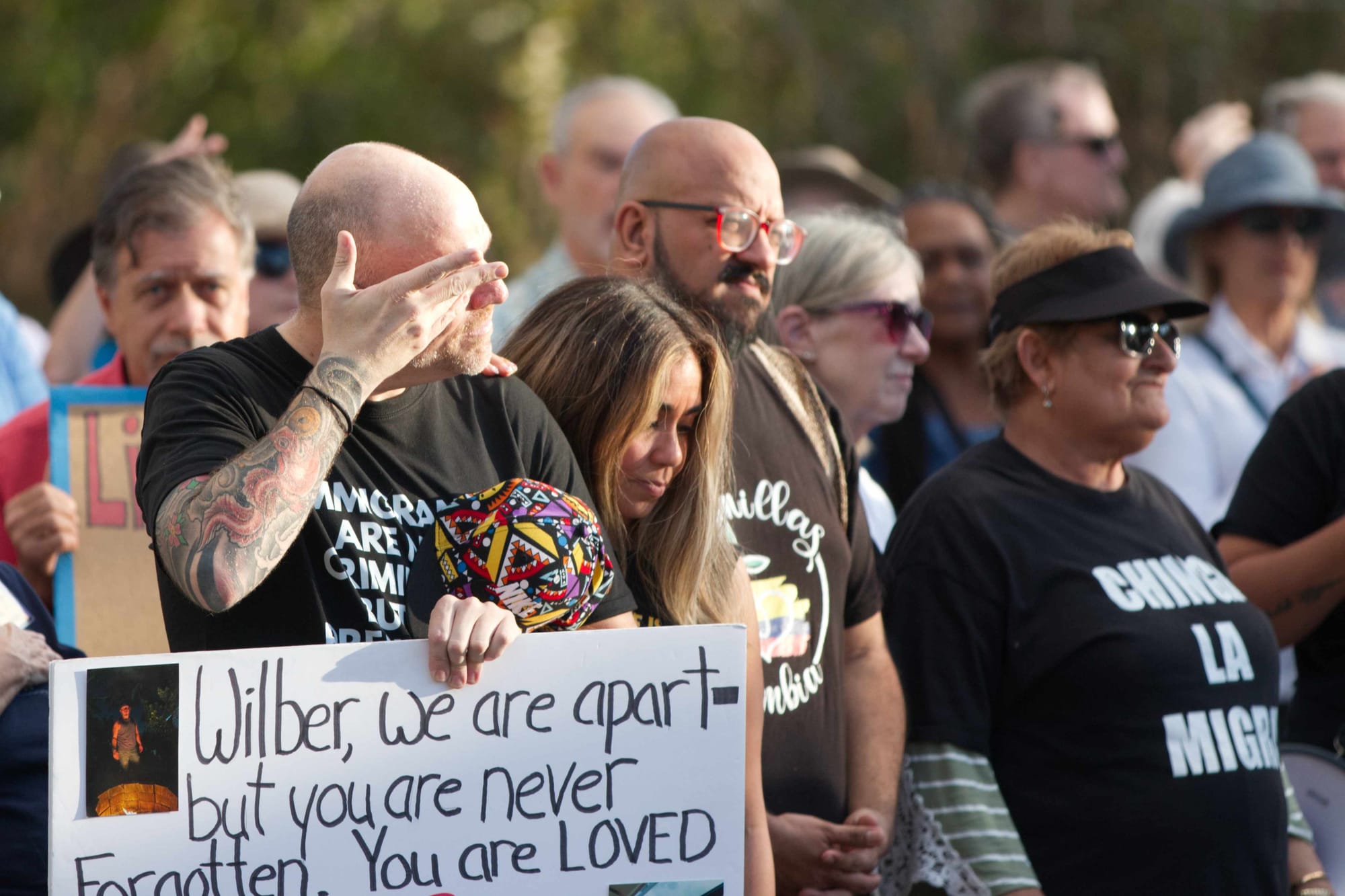
Jeffery and Wilbur were traveling to Orlando from Miami along the Florida Turnpike when they were involved in a major accident that was not their fault but saw their car totaled. Florida Highway Patrol showed up and rather than focusing on making sure people were treated for injuries instead focused on Wilbur's skin color and immigration status.
Jeffery hasn't seen Wilbur in three months. Watch Jeffery's powerful story, which Jeffery insists is not the "Jeffery and Wilbur Story" (and he's right) to see how Florida's focus on doing the Federal Government's job for it (immigration enforcement is exclusively the domain of the Federal Government).
Concluding thoughts
Immigration enforcement is making a lot of news, even in Florida, a state run by people proud to partner with the Federal agency, the Department of Homeland Security. Yet, the immigration enforcement in the state is uneven and appears to be targeting the most vulnerable, least visible people.
This is part of why the VISIBLE Act is a pressing concern for immigrants rights advocates like the Florida Immigrant Coalition, their allies like 50501 Key Largo and religious groups, such as First Church Miami and Coral Gables Congregational United Church of Christ (which brought perhaps half of the people in the Ash Wednesday March for Immigrants).